Understanding Atrial Fibrillation Symptoms: A Comprehensive Guide for Americans
This comprehensive guide explores the diverse symptoms of atrial fibrillation (AFib) relevant to Americans. It explains typical and subtle signs, risk factors, and when to seek medical help. Enhancing awareness, early diagnosis, and understanding of AFib symptoms can prevent complications like stroke and improve quality of life. Essential for anyone noticing irregular heartbeats, chest discomfort, or unexplained fatigue, this article provides in-depth insights for better heart health awareness.

Introduction to Atrial Fibrillation (AFib) and Its Significance
Atrial Fibrillation, commonly known as AFib, is a prevalent heart rhythm disorder that affects millions of people in the United States. Recognizing the afib symptoms early can significantly impact treatment outcomes and quality of life. This guide aims to educate readers on the diverse manifestations of AFib, exploring how symptoms can vary between individuals and situations, and what steps to take if you suspect you have AFib.
Typical Symptoms of AFib and How They Manifest
Irregular Heartbeat and Palpitations
One of the hallmark afib symptoms is a sensation of irregular heartbeat, often described as palpitations. Patients might feel like their heart is pounding, racing, or fluttering. For instance, during a stressful day or after consuming caffeine, individuals may notice their heart rate is abnormally fast or irregular, leading to concern and discomfort.
Chest Discomfort or Pain
Some people experience chest tightness or discomfort, which can be mistaken for other cardiac issues. This symptom may be persistent or intermittent, sometimes radiating to the neck, jaw, or shoulder. Understanding that chest pain with AFib can vary is essential, especially since it could be a warning sign of more serious conditions.
Shortness of Breath and Fatigue
Shortness of breath, especially during physical activity or even at rest, is a common afib symptom. Chronic fatigue, weakness, or feeling unusually tired can also point to underlying heart rhythm irregularities. Real-world scenarios include patients noticing increased tiredness after routine activities or difficulty catching their breath when climbing stairs.
Dizziness and Fainting
In some cases, AFib can cause a drop in cardiac output, leading to dizziness, lightheadedness, or fainting episodes. For example, an individual might suddenly feel dizzy and collapse if the arrhythmia significantly impairs blood flow, emphasizing the importance of timely medical evaluation.
The Atypical and Subtle Symptoms of AFib
Asymptomatic Cases
Not all individuals with AFib experience noticeable symptoms. Some might have silent AFib detected incidentally during routine examinations or ECGs. These silent cases pose a risk since they can progress unnoticed, increasing stroke risk, hence the importance of regular check-ups especially for at-risk populations.
Gastrointestinal and Neurological Symptoms
Unexpected symptoms such as nausea, sweating, or neurological issues like confusion can sometimes be linked to AFib episodes, especially when heart rate is rapid. Recognizing these less obvious signs is crucial, particularly in older adults or those with comorbid conditions.
Who Is at Risk for Developing AFib Symptoms?
Age and Lifestyle Factors
AFib prevalence increases with age, commonly affecting individuals over 60. Lifestyle factors like excess alcohol consumption, obesity, and lack of regular exercise can also contribute to the emergence of afib symptoms.
Underlying Medical Conditions
Conditions such as hypertension, heart disease, diabetes, and thyroid disorders are linked to a higher likelihood of developing AFib and experiencing symptoms. Understanding these risks helps in early detection and prevention.
Detecting AFib Symptoms: When to Seek Medical Help
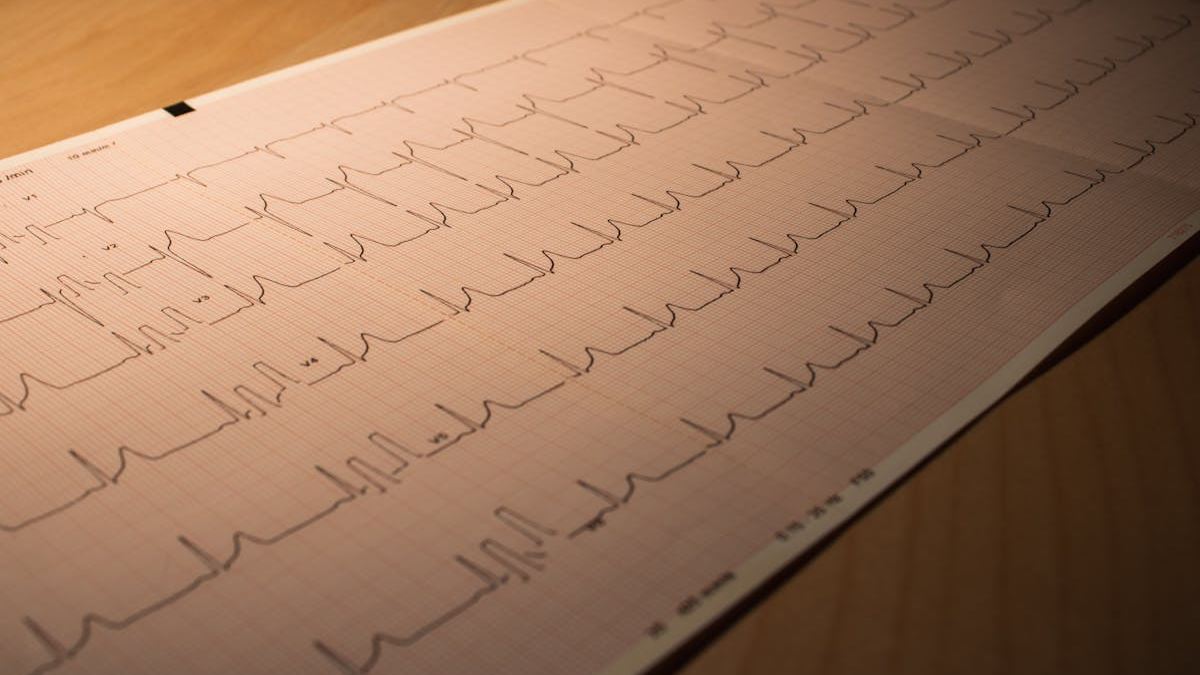
If you experience any of the afib symptoms described above, especially palpitations, chest discomfort, or fainting, it is imperative to consult a healthcare professional promptly. Diagnostic tools like ECG, Holter monitor, or event recorders can confirm the presence of AFib. Early diagnosis allows for better management and reduces the risk of serious complications such as stroke or heart failure.
Conclusion: The Importance of Vigilance and Regular Screening
Awareness of afib symptoms is vital for timely intervention. Many individuals live with undiagnosed AFib, unaware of their silent condition. Regular check-ups, especially for those with risk factors, combined with prompt recognition of symptoms, can lead to effective treatment plans. If you suspect you have AFib or experience recurring symptoms, seek medical advice to ensure optimal heart health and peace of mind.