Comprehensive Guide to Heart Arrhythmia Treatment: Exploring Modern Approaches and Patient Options
Explore a detailed guide on heart arrhythmia treatment options including diagnostic methods, medication, ablation, and device therapy. Learn about innovative approaches and expert insights that help patients make informed decisions for managing irregular heart rhythms effectively.
Understanding Heart Arrhythmia and Its Impact
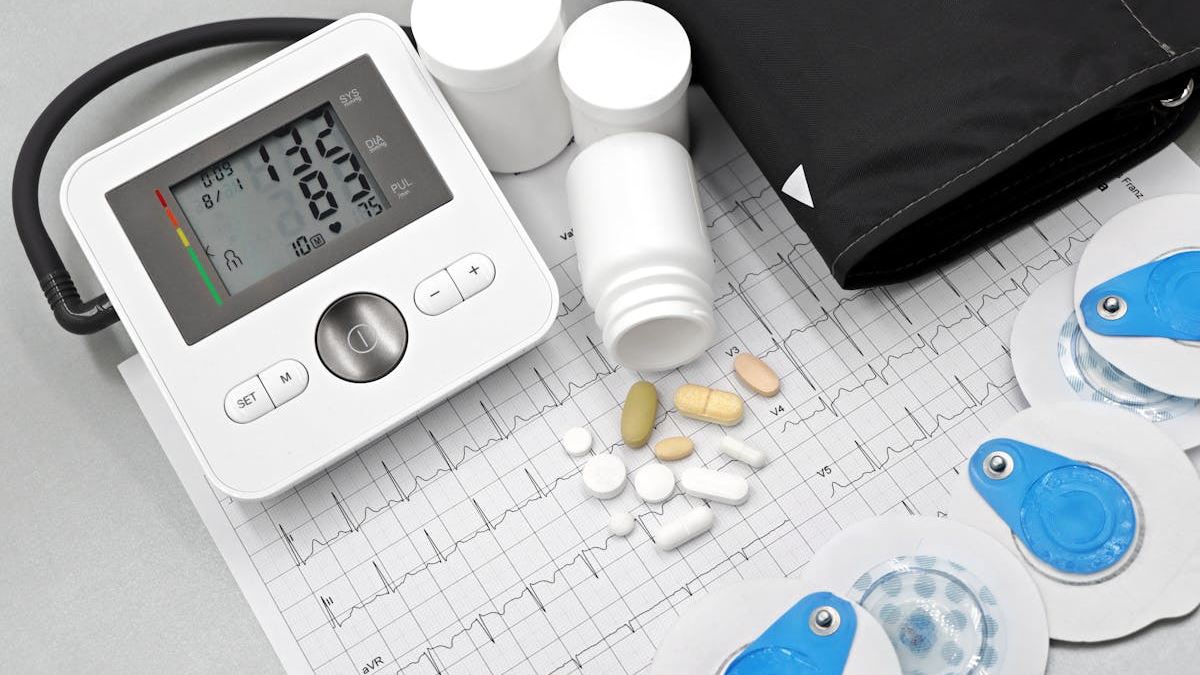
Heart arrhythmia, commonly known as irregular heartbeat, affects millions of individuals across the United States. This condition arises when the electrical signals that coordinate your heartbeats malfunction, leading to rhythms that are too fast, too slow, or erratic. The impact of heart arrhythmia can range from mild to life-threatening, making timely and effective heart arrhythmia treatment essential.
Modern Diagnostic Techniques for Heart Arrhythmia
Electrocardiogram (ECG) and Holter Monitor
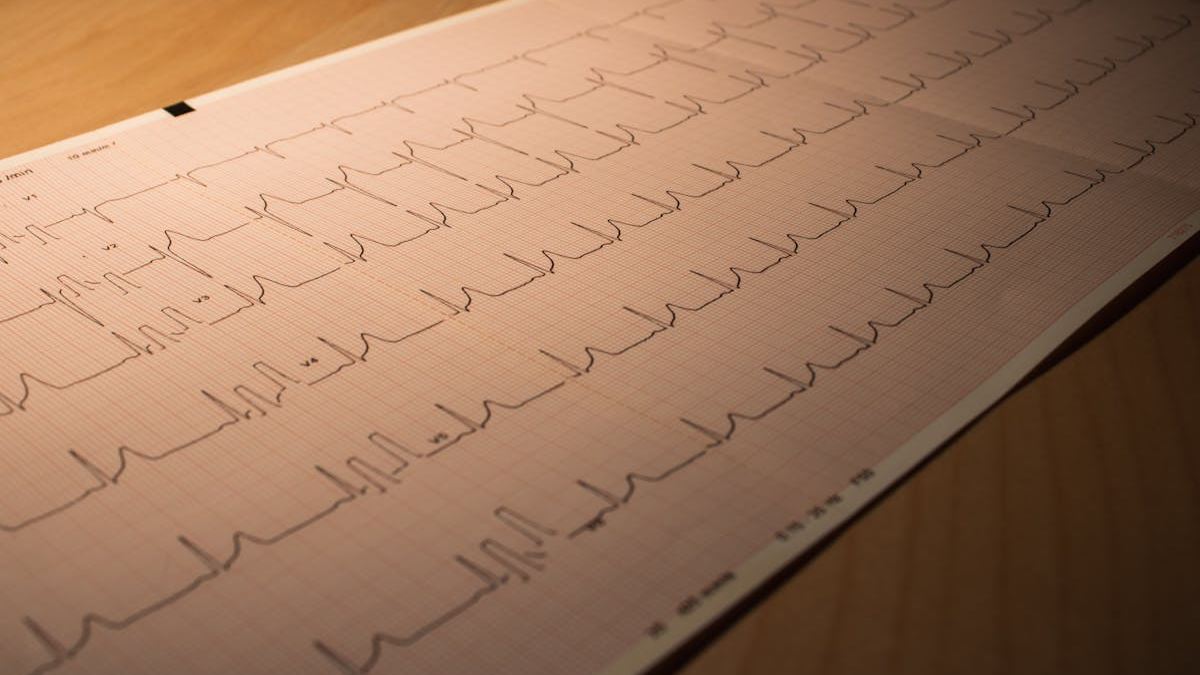
Initial assessment often involves an ECG, which records the electrical activity of your heart. For detecting intermittent arrhythmias, a Holter monitor is worn for 24 to 48 hours, providing detailed insights into abnormal rhythms during daily activities.
Advanced Imaging and Electrophysiological Testing
For complex cases, electrophysiological studies (EPS) help pinpoint the exact source of arrhythmia. Utilizing intracardiac catheters, specialists can visualize conduction pathways and determine the most effective treatment strategies to restore normal rhythm.
Conventional and Innovative Heart Arrhythmia Treatments
Medication Therapy
Many patients start with anti-arrhythmic medications like beta-blockers or calcium channel blockers. While effective for some, medications may have side effects and are often part of a comprehensive treatment plan rather than a standalone solution.
Catheter Ablation: A Minimally Invasive Breakthrough
One of the most significant advancements in heart arrhythmia treatment is catheter ablation. This procedure involves threading catheters into the heart to destroy small areas causing abnormal electrical signals. Expert centers report high success rates, especially for atrial fibrillation and supraventricular tachycardia.
Implantable Devices: Pacemakers and Defibrillators
For arrhythmias involving slow heart rhythms, pacemakers are vital. In cases at risk for sudden cardiac arrest, implantable cardioverter-defibrillators (ICDs) provide an extra layer of security. These devices continuously monitor heart rhythm and deliver shocks if dangerous patterns are detected.
Innovative Perspectives and Future Directions in Heart Arrhythmia Treatment
Emerging Technologies and Research
Researchers are exploring genetic, cellular, and regenerative approaches to manage arrhythmias. Machine learning algorithms are also being developed to improve early detection and personalized treatment plans, promising a future where interventions are more precise and less invasive.
Patient-Centered Care and Lifestyle Modifications
Integrated care models emphasize the importance of lifestyle changes, such as managing stress, adopting heart-healthy diets, and engaging in regular exercise. Patient education remains a cornerstone of effective heart arrhythmia treatment.
Expert Opinions and Real-World Case Studies
Leading cardiologists highlight that early diagnosis combined with advanced intervention techniques significantly improves patient outcomes. Real-world scenarios demonstrate successful management through a combination of medication, ablation, and device therapy, tailored to individual needs.
Conclusion: Navigating Your Treatment Options
Choosing the right heart arrhythmia treatment depends on comprehensive evaluation and personalized care. Patients are encouraged to consult with specialized cardiologists to explore all available options and adopt lifestyle modifications that support heart health.