Understanding PET Scan: A Comprehensive Guide to Its Role in Modern Diagnostics
Learn about PET scan technology, its applications in detecting cancer, neurological, and cardiovascular conditions. Discover how this advanced imaging method enhances diagnosis and patient care in the United States, with insights into procedures, benefits, and future innovations.

Introduction to PET Scan Technology
The Positron Emission Tomography (PET) scan is a revolutionary imaging technique that has transformed diagnostic medicine. It allows physicians to visualize metabolic processes within the body, providing crucial insights that traditional imaging methods may miss. In this article, we explore the fundamentals of PET scan technology, its applications, and how it benefits patients across the United States.
How Does a PET Scan Work?
Principle of Radioactive Tracers
At the core of the PET scan is the use of radioactive tracers, typically a form of glucose labeled with a positron-emitting isotope. When injected into the patient, these tracers accumulate in areas with high metabolic activity, such as tumors or inflamed tissues. The PET scanner detects the gamma rays emitted from the tracers, creating detailed images of physiological functions.
The Imaging Process
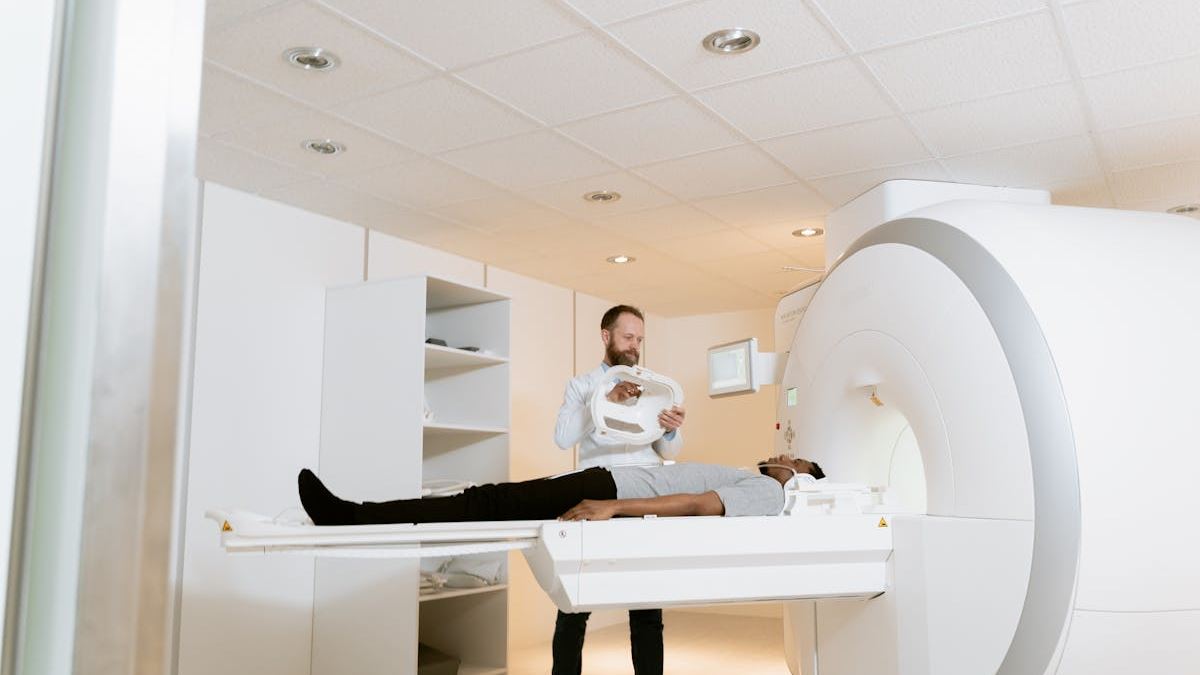
The procedure involves the patient lying on a table that slides into a large, doughnut-shaped scanner. The process usually takes around 30 to 60 minutes. During this time, the scanner captures signals emitted from the tracers, which are then reconstructed by computer algorithms to produce images. This non-invasive method offers real-time insights into cellular activity.
Applications of PET Scan in Medical Diagnosis
Oncological Uses
PET scans are extensively used in cancer detection, staging, and monitoring treatment response. They help distinguish between benign and malignant tumors and identify metastases that might not be visible with other imaging techniques. For example, a PET scan can detect residual cancer after surgery or chemotherapy, guiding further treatment decisions.
Neurological and Psychiatric Applications
In neurology, PET scans assist in diagnosing diseases like Alzheimer's, Parkinson's, and epilepsy by showing areas of altered brain metabolism. They also contribute to research on psychiatric disorders such as schizophrenia and depression, offering insights into brain function and pathology.
Cardiovascular Evaluations
Cardiac PET imaging measures blood flow and detects areas with compromised perfusion, aiding in the assessment of coronary artery disease. It provides information about the viability of heart tissues, which is essential for planning interventions like bypass surgery or stenting.
The Benefits and Limitations of PET Scans
Positron emission tomography offers numerous advantages, including high sensitivity, functional insights, and the ability to detect disease at early stages. However, limitations include exposure to low-dose radiation, high costs, and limited availability in some regions. Understanding these factors helps patients and clinicians make informed choices about their diagnostic options.
What to Expect During a PET Scan Procedure
Preparation Tips
Patients are advised to fast for several hours before the scan and inform their healthcare provider of any allergies or medications. Wearing loose, comfortable clothing and avoiding strenuous activity prior to the procedure can enhance results.
Post-Scan Considerations
After the scan, patients may resume normal activities immediately but should stay hydrated to help eliminate the radioactive tracers. Any specific instructions from the healthcare team should be followed diligently.
Advancements and Future Directions in PET Scan Technology
The field of PET imaging continues to evolve with the development of new tracers, hybrid imaging techniques like PET/CT and PET/MRI, and machine learning integration. These innovations aim to improve diagnostic accuracy, reduce scan times, and expand applications in personalized medicine.