Understanding Eyelid Dermatitis: Symptoms, Causes, and Comprehensive Insights
Explore the comprehensive understanding of eyelid dermatitis, focusing on its symptoms and causes. Learn how to identify signs like redness, itching, and swelling, and discover triggers such as allergens, irritants, and environmental factors. This guide offers expert insights, real-world examples, and practical advice for effective management and prevention of eyelid dermatitis, helping readers protect their delicate eye skin and improve quality of life.
Introduction to Eyelid Dermatitis
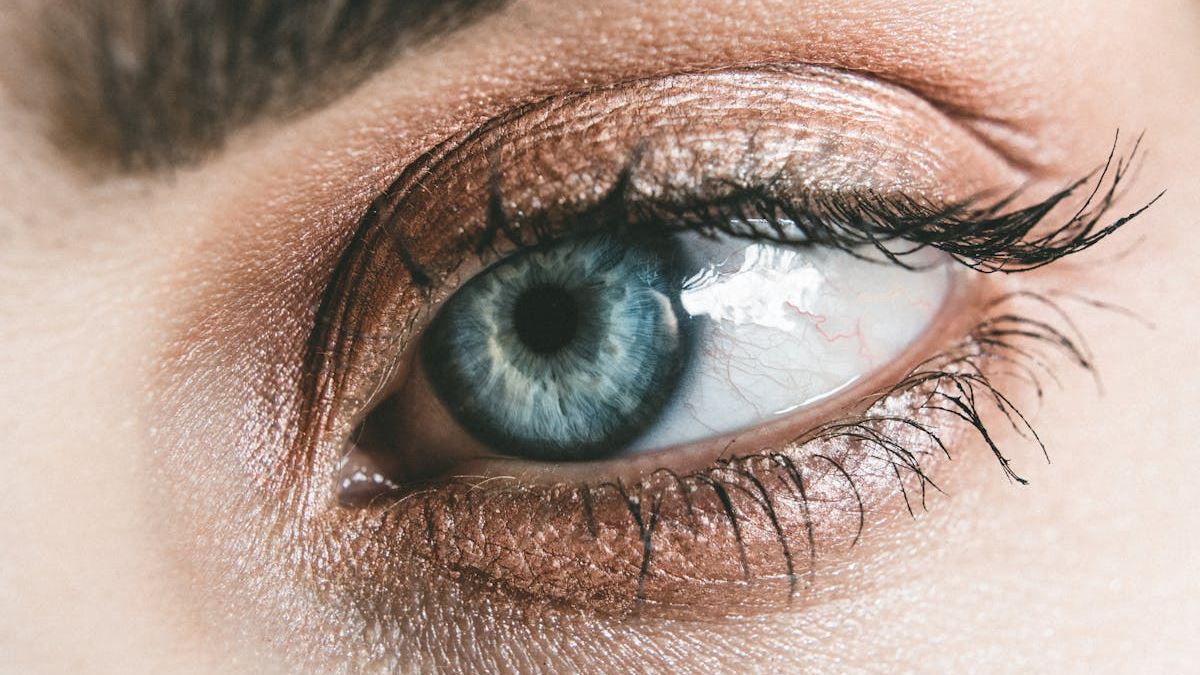
Eyelid dermatitis is a common yet often misunderstood skin condition affecting the delicate skin around the eyes. Characterized by inflammation, redness, and irritation, it can significantly impact daily life and self-esteem. This comprehensive guide aims to explore the symptoms causes eyelid dermatitis, shedding light on what triggers this condition and how it manifests in different individuals.
Recognizing the Symptoms of Eyelid Dermatitis
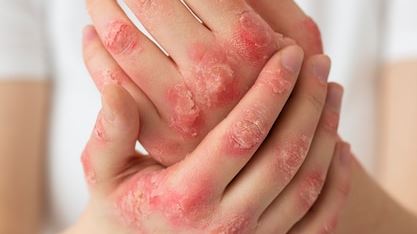
The first step in effective management is recognizing the symptoms that signify eyelid dermatitis. Symptoms can vary based on the severity and cause but often include redness, swelling, itching, burning sensation, and flaky skin on the eyelids.
Key symptoms:
- Redness and inflammation: Most prominent symptom, often spreading to adjacent skin.
- Itching and burning: Persistent sensation leading to scratching, which exacerbates inflammation.
- Swelling: Puffiness or swelling of the eyelids, sometimes causing discomfort or difficulty opening the eyes.
- Flakiness and scaling: Skin may peel or form crusts, especially in chronic cases.
- Blisters or oozing: Less common but possible, indicating an allergic or contact reaction.
Understanding the Causes of Eyelid Dermatitis
The root causes of eyelid dermatitis are diverse, often involving external irritants or allergic responses. Recognizing these causes can help in both prevention and targeted treatment.
Major causes include:
- Allergic reactions: Provoked by cosmetics, eyelash adhesives, and skincare products containing allergens such as fragrances, preservatives, or dyes.
- Contact dermatitis: Direct contact with irritants like soaps, detergents, or eyeshadows can inflame the skin.
- Atopic dermatitis: A chronic condition often linked to allergies and asthma, affecting the eyelids as part of widespread eczema.
- Environmental factors: Exposure to wind, sun, or pollutants can worsen the skin’s sensitivity around the eyes.
- Infections: Bacterial or viral dermatitis may mimic allergic reactions, requiring different management strategies.
A Deep Dive into Symptoms Causes Eyelid Dermatitis: Expert and Real-World Perspectives
Medical professionals emphasize the importance of differentiating eyelid dermatitis from other eye conditions such as conjunctivitis or blepharitis. Dr. Jane Smith, a renowned dermatologist, states, "The key to effective treatment lies in understanding specific symptoms and identifying triggers through patch testing and patient history."
In real-world scenarios, patients often encounter eyelid dermatitis after switching skincare products or using new makeup. For example, Amanda, a 34-year-old makeup artist, experienced persistent eyelid irritation after trying a new eyeshadow palette. Her dermatologist confirmed contact dermatitis caused by a preservative in the product. Such stories underscore the importance of paying attention to symptoms causes eyelid dermatitis to prevent prolonged discomfort.
Practical Strategies for Managing Symptoms and Causes
Managing eyelid dermatitis involves a combination of lifestyle adjustments, cautious product selection, and medical treatment. Identifying symptoms causes eyelid dermatitis allows for targeted interventions, leading to quicker relief and prevention of recurrence.
Public health advice includes:
- Avoiding known irritants: Switch to hypoallergenic and fragrance-free skincare products around the eyes.
- Practicing good hygiene: Remove makeup thoroughly before sleep and wash hands regularly to prevent bacteria transfer.
- Using prescribed treatments: Topical corticosteroids or antihistamines may be recommended for severe cases.
- Protecting the eyes: Wear sunglasses and hats to shield against environmental triggers.
- Consulting professionals: Regular dermatological checkups and allergy testing can pinpoint specific allergens.