Understanding Atopic Dermatitis: Causes, Symptoms, and Effective Management
Discover comprehensive insights into atopic dermatitis, including causes, symptoms, and effective management strategies. This authoritative guide helps readers understand this chronic skin condition and offers practical tips to improve quality of life.
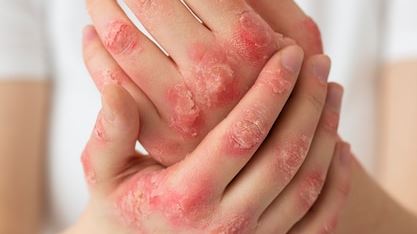
Introduction to Atopic Dermatitis
Atopic dermatitis, commonly known as eczema, is a chronic, inflammatory skin condition that affects millions of people in the United States. It is characterized by itchy, dry, and inflamed skin, which can significantly impact a person's quality of life. Understanding the underlying causes, recognizing early symptoms, and exploring effective management strategies are essential for those affected by this condition.
What Causes Atopic Dermatitis?
While the exact cause of atopic dermatitis remains unknown, research suggests a combination of genetic, environmental, and immune system factors contribute to its development. Individuals with a family history of allergic conditions such as asthma or hay fever are more susceptible.
Genetic predisposition: Certain genes affect the skin's barrier function, making it more prone to irritation and allergens.
Environmental triggers: Allergens like pollen, dust mites, pet dander, and harsh soaps can exacerbate symptoms.
Immune response: An overactive immune system reacts aggressively to harmless substances, leading to inflammation.
Recognizing Symptoms of Atopic Dermatitis
Symptoms vary across individuals, but common signs include:
- Intense itching
- Dry, cracked, or thickened skin
- Redness and inflammation
- Swelling and oozing in severe cases
- Skin patches that may appear on the face, hands, feet, or behind the knees
Noticing these symptoms early can lead to better management and prevention of flare-ups.
Diagnosis and Medical Evaluation
A healthcare provider typically diagnoses atopic dermatitis through a physical exam and patient history. In some cases, allergy testing may be recommended to identify specific triggers.
Management Strategies and Treatments
While there is no cure for atopic dermatitis, numerous treatment options help manage symptoms and reduce flare-ups.
Skin Care and Moisturization
Maintaining hydrated skin with regular application of emollients is fundamental. Using fragrance-free and gentle skin products helps minimize irritation.
Medical Treatments
Healthcare providers may prescribe topical corticosteroids, antihistamines, or calcineurin inhibitors to reduce inflammation and itchiness. In severe cases, phototherapy or systemic medications might be necessary.
Lifestyle and Environmental Changes
Avoiding known triggers, wearing soft fabrics, and managing stress are vital components of a comprehensive care plan.
Living with Atopic Dermatitis: Tips and Support
Living with a chronic condition like atopic dermatitis requires continuous management and emotional resilience. Support groups and patient education can empower individuals to cope better.
It's essential for patients to work closely with healthcare professionals to tailor treatment plans suited to their needs and to stay informed about new research and therapies.
Expert Opinions and Future Directions
Leading dermatologists emphasize the importance of personalized treatment approaches. Advances in biologic therapies are promising, offering hope for better long-term control of atopic dermatitis.
Ongoing research focuses on understanding the genetic and immunological mechanisms underlying the condition, aiming to develop targeted treatments with fewer side effects.