Transforming Your Home: Comprehensive Guide to Successful House Improvement Projects
This comprehensive guide to house improvement offers homeowners in the United States expert insights on planning, executing, and maintaining renovation projects. Covering key areas like kitchens, bathrooms, exterior enhancements, and energy efficiency, it helps readers elevate their homes' value and livability through thoughtful, strategic upgrades. Designed to be practical and inspiring, this article is perfect for those seeking to maximize their investment while creating a comfortable, modern living environment.

Introduction to House Improvement
Embarking on house improvement projects is a rewarding endeavor that can significantly enhance the comfort, functionality, and value of your home. Whether you're a first-time homeowner or a seasoned renovator, understanding the essentials of house improvement helps ensure your projects are successful, cost-effective, and aligned with your vision. This guide provides an in-depth look at various aspects of house improvement, from planning and budgeting to execution and finishing touches, all tailored to meet the diverse needs of homeowners across the United States.
Planning Your House Improvement Project
Assessing Your Needs and Goals
The first step in any house improvement journey is to clearly identify what needs to be improved and what your goals are. Are you looking to modernize your kitchen, add more storage, enhance curb appeal, or improve energy efficiency? Defining these objectives helps prioritize your efforts and allocate your budget effectively. For example, a family might prioritize safety upgrades and open-concept living, while retirees might focus on accessibility improvements.
Developing a Budget and Timeline
Creating a realistic budget and timeline is crucial. Research average costs for materials and labor, and consider unexpected expenses by allocating a contingency fund—typically 10-15% of the total budget. Establishing a timeline helps manage expectations, coordinate contractors, and ensure project completion aligns with your plans, especially if timing relates to seasonality or personal milestones.
Engaging Professionals and Obtaining Permits
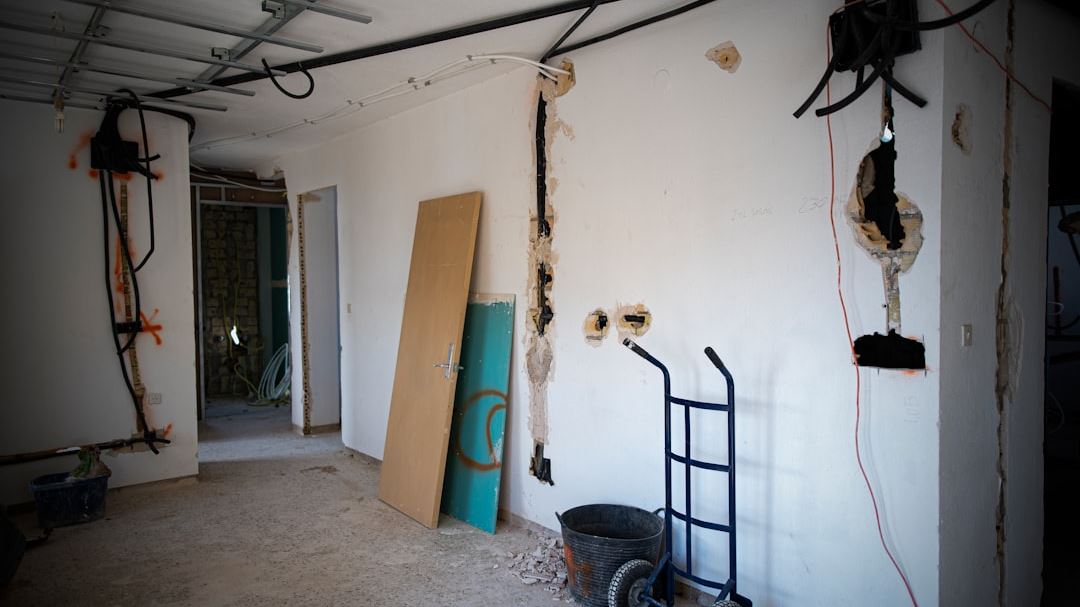
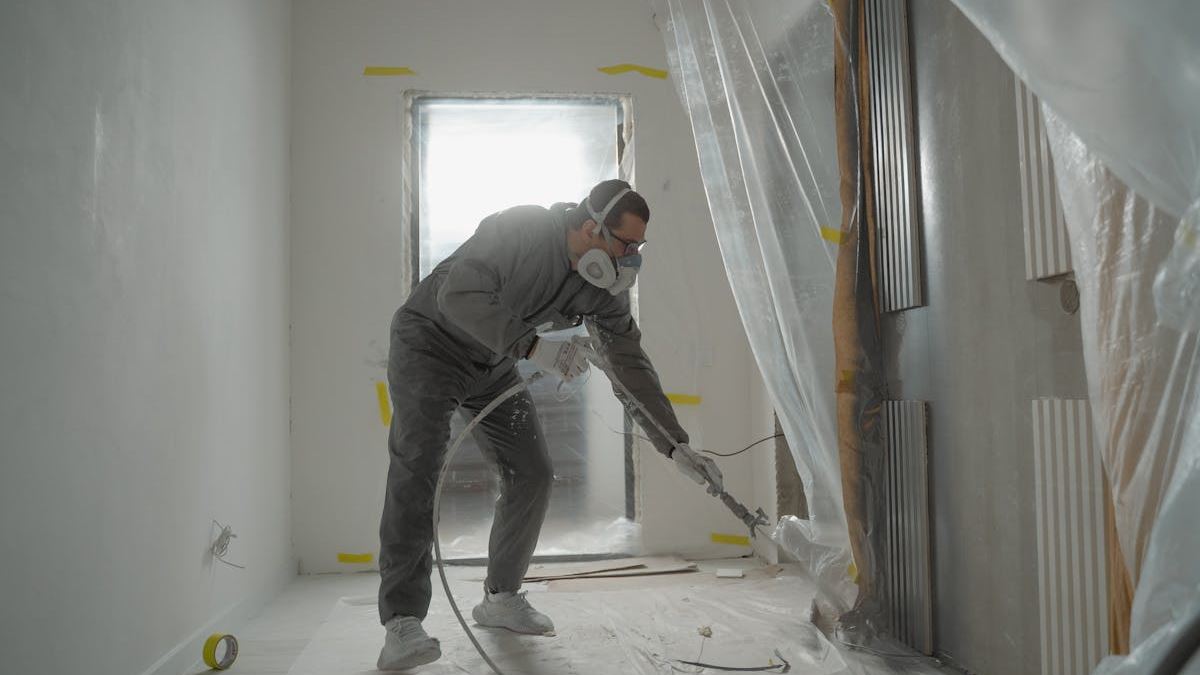
While some house improvement tasks can be DIY projects, enlisting licensed contractors ensures quality work and compliance with building codes. Professional assessments can identify structural issues or code violations early. Additionally, securing permits from local authorities safeguards your project from legal issues and ensures safety standards are met.
Key Areas of House Improvement
Kitchens and Bathrooms
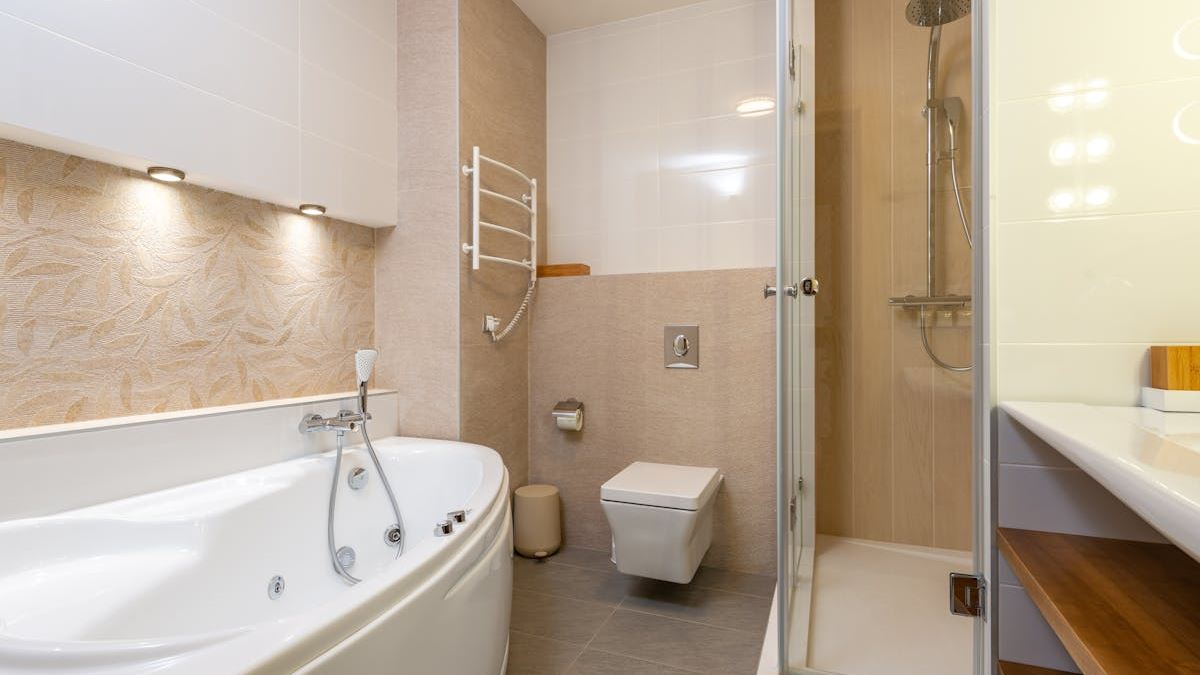
The kitchen and bathrooms are focal points that significantly influence a home's value and livability. Upgrading appliances, countertops, cabinets, and fixtures can transform these spaces. For example, modern energy-efficient appliances reduce utility bills, while stylish fixtures enhance aesthetic appeal. Incorporating smart technology and eco-friendly materials aligns with current trends and sustainability goals.
Living Spaces and Bedrooms
Improving living rooms and bedrooms involves enhancing comfort, storage, and aesthetic appeal. Consider adding built-in shelving, upgrading flooring, or installing new lighting to create inviting environments. Personal touches like repainting walls with neutral, timeless colors or using textured fabrics can make spaces more welcoming.
Exterior and Landscaping
The exterior of your home and landscaping directly impact curb appeal and energy efficiency. Landscaping projects such as planting trees, installing pathways, and adding outdoor lighting not only beautify the property but also provide shade and enhance security. Refreshing siding or repainting the exterior can protect against weather damage and modernize your home's look.
Energy Efficiency and Sustainability
Incorporating energy-efficient windows, insulation, solar panels, and smart thermostats can reduce your carbon footprint and save money long-term. These improvements often qualify for tax incentives or rebates, making them financially advantageous. Green building practices also contribute to healthier indoor air quality and sustainability goals.
Executing Your House Improvement Plan
Shopping for Materials
Select quality materials that balance durability, aesthetic appeal, and budget. Visit showrooms, compare prices, and check online reviews. Sustainability is increasingly important, so opt for eco-friendly products when possible.
Managing the Construction Process
Effective communication with your contractors ensures the project stays on track. Regular site visits, clear documentation, and addressing issues promptly prevent delays and cost overruns. Keep detailed records of receipts and permits for future reference or resale purposes.
Finishing Touches and Inspections
As work nears completion, focus on quality inspections, safety checks, and aesthetic details. Small enhancements like new hardware, paint touch-ups, and decorative elements can elevate the overall look. Ensure all work complies with local codes before finalizing the project.
Post-Improvement Maintenance and Upkeep
Maintaining your renovated spaces prolongs their beauty and functionality. Develop a regular cleaning schedule, inspect for damages, and plan for periodic upgrades or repairs. Proper upkeep preserves your investment and ensures your home remains a comfortable and valuable asset for years to come.
Conclusion
Successful house improvement is a blend of strategic planning, quality execution, and ongoing maintenance. By understanding the key areas to focus on and engaging qualified professionals, you can create a home that not only meets your current needs but also enhances its future value. Remember, each project is an opportunity to personalize your living space, boost energy efficiency, and embrace sustainable practices—ultimately transforming your house into the home of your dreams.