The Comprehensive Guide to Choosing the Right Alarm System for Your Home in the United States
Learn how to select the perfect alarm system for your home in the United States. This comprehensive guide covers types, features, expert advice, and future trends to help you make informed security choices that fit your lifestyle and budget.

Introduction: Protecting Your Home in the United States with Alarm Systems
Understanding Different Types of Alarm Systems
Wired Alarm Systems
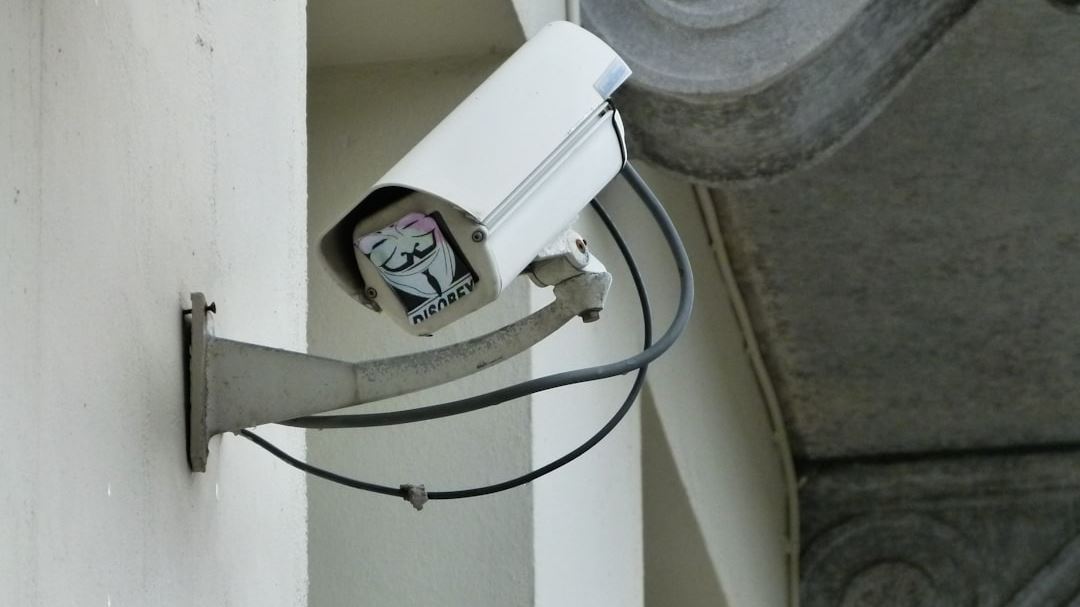
Wired alarm systems connect sensors and control panels through physical cables. They are known for their reliability, minimal false alarms, and robustness. The installation process typically requires professional setup, but once installed, they offer consistent performance. Wired systems are ideal for new constructions or major remodels where wiring can be incorporated seamlessly.
Wireless Alarm Systems
Wireless alarm systems leverage Wi-Fi or cellular networks to communicate between components. They are easier to install and are suitable for existing homes where running wires is impractical. Advances in wireless technology have made these systems highly dependable, with features like remote monitoring and app control gaining popularity among homeowners.
Smart Alarm Systems
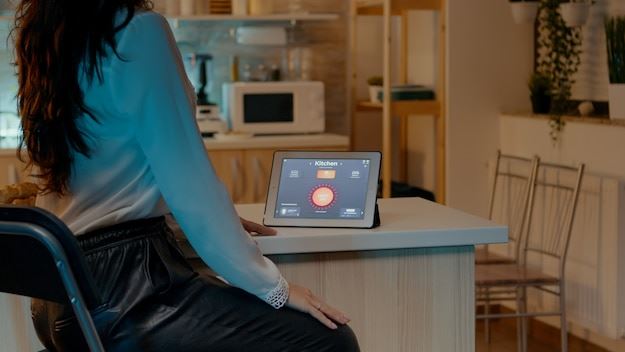
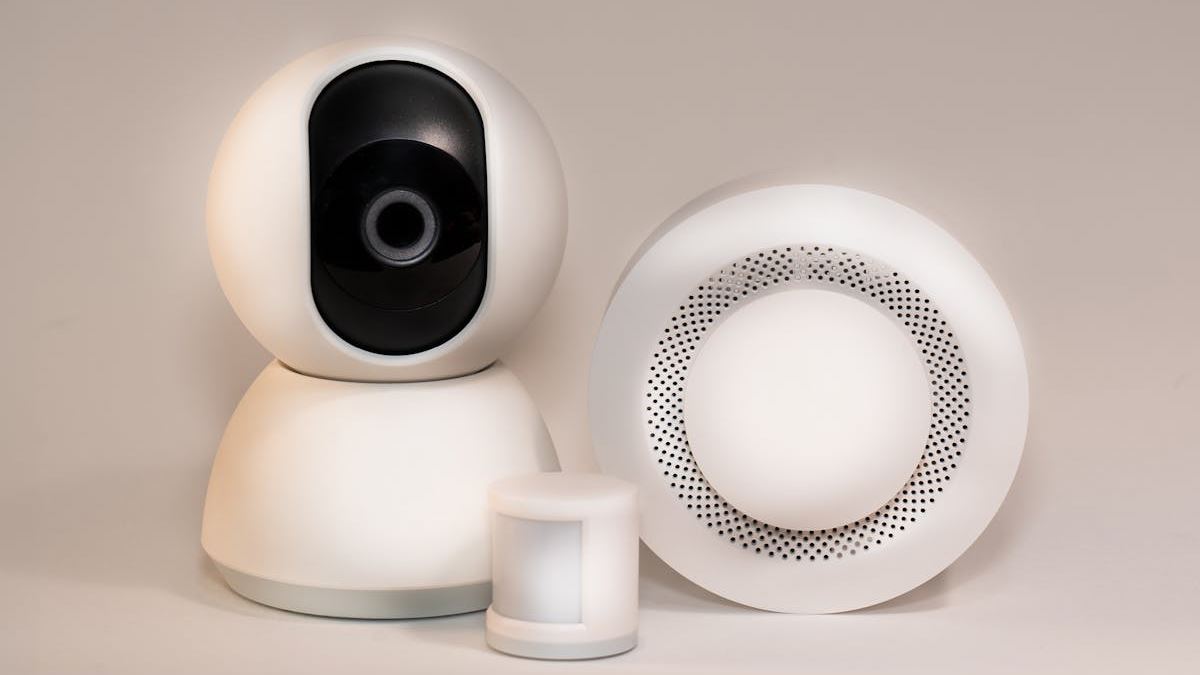
Smart alarm systems integrate with home automation platforms, allowing users to control and monitor their security remotely via smartphones or voice assistants. These systems often include features like video surveillance, motion detection, and automated alerts, providing a comprehensive security experience adaptable to modern lifestyles.
Key Features to Consider When Choosing an Alarm System
Monitoring Options
Alarm systems offer various monitoring options, including self-monitoring through mobile apps and professional monitoring services. Professional monitoring provides 24/7 surveillance, emergency response coordination, and peace of mind, albeit with additional costs. Self-monitoring is budget-friendly and suitable for tech-savvy users.
Integration Capabilities
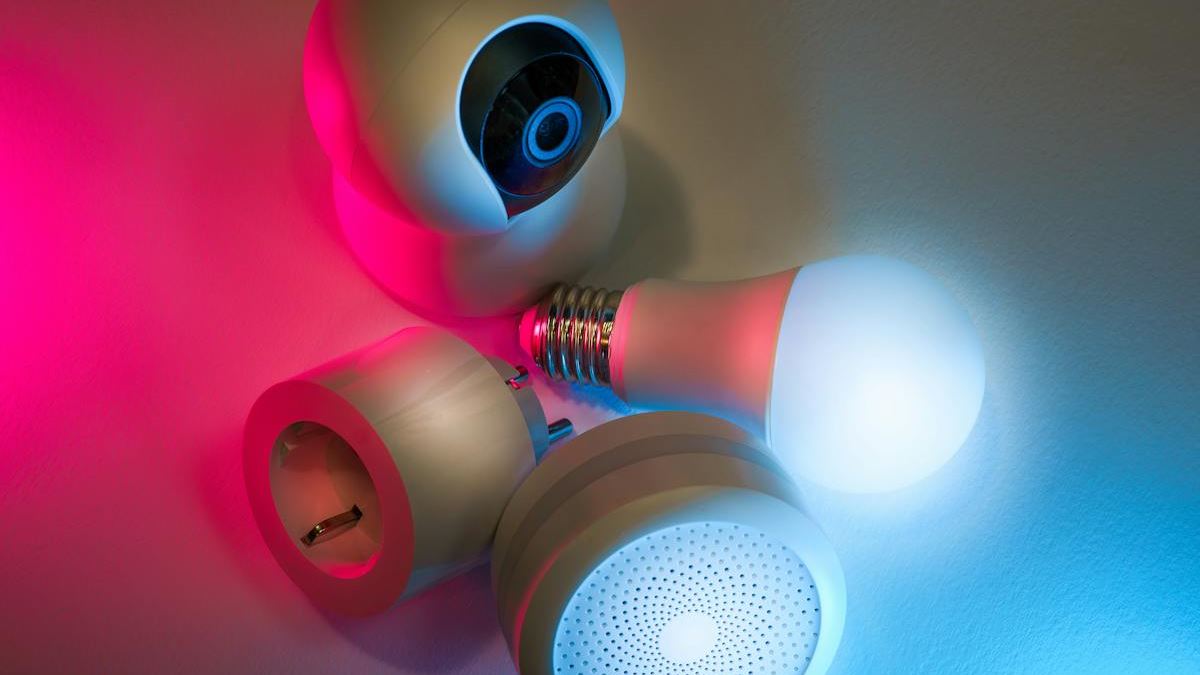
Contemporary alarm systems can integrate with smart devices such as thermostats, lights, and door locks. This interoperability enhances convenience and allows for customized security routines, like turning on lights when motion is detected or locking doors remotely.
Battery Backup and Power Reliability
Power outages are inevitable; hence, a good alarm system must have reliable battery backup to maintain security during outages. Discussing battery life and backup protocols with providers ensures your alarm system remains operational at all times.
The Role of Expert Guidance and Real-World Scenarios
Advancements and Future Trends in Alarm Systems
The industry is evolving rapidly with innovations like AI-based threat detection, integrated video analytics, and cybersecurity enhancements protecting connected devices from hacking. Future alarm systems are expected to become more intuitive and adaptive, providing proactive security responses.
Conclusion: Securing Your Home with Confidence