Understanding Unmonitored Home Security Systems: Pros, Cons, and Real-World Insights
Discover the comprehensive guide on unmonitored home security systems, including their features, benefits, and limitations. Learn how they work, real-world scenarios, expert advice, and tips to maximize safety, helping homeowners make informed choices about their security needs.

Introduction to Unmonitored Home Security Systems
What Are Unmonitored Home Security Systems?
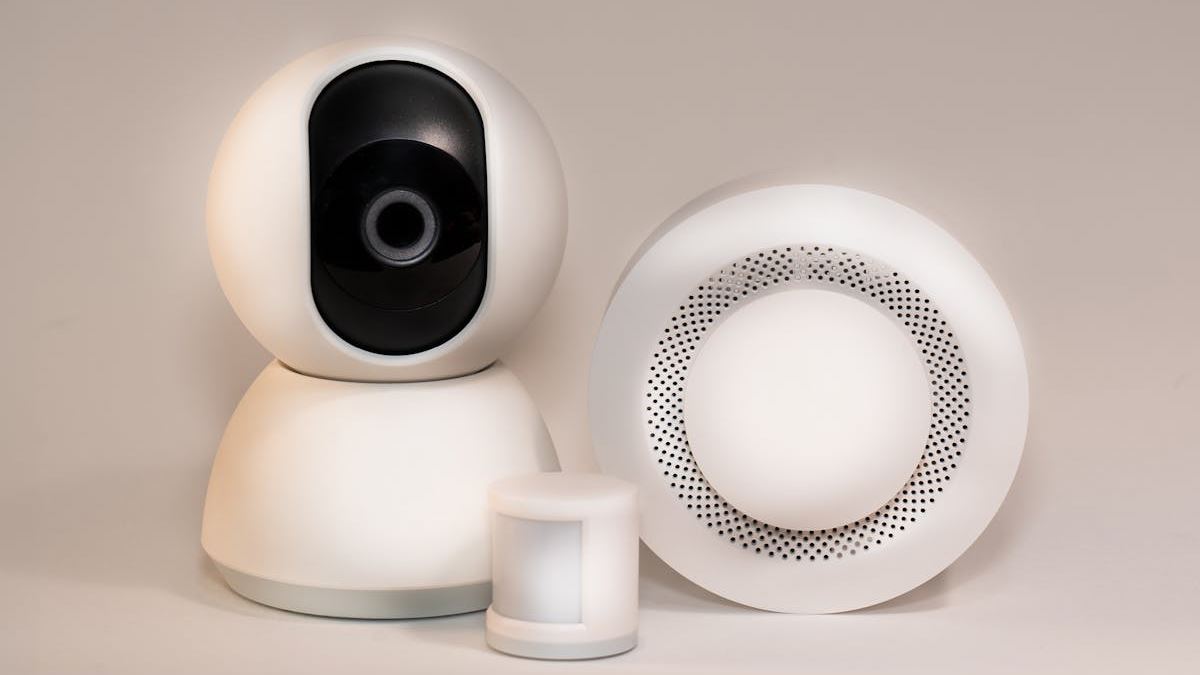
Unmonitored home security systems are security setups that do not include a professional monitoring service. Instead, these systems consist of alarms, sensors, and cameras that alert homeowners via smartphone notifications, sirens, or alarms. When an intrusion or security breach occurs, the system triggers these alerts, prompting the homeowner to take action.
Key Features and Components
- Door and window sensors: Detect unauthorized entry.
- Motion detectors: Recognize movement within the premises.
- Alarms and sirens: Warn intruders and residents of breaches.
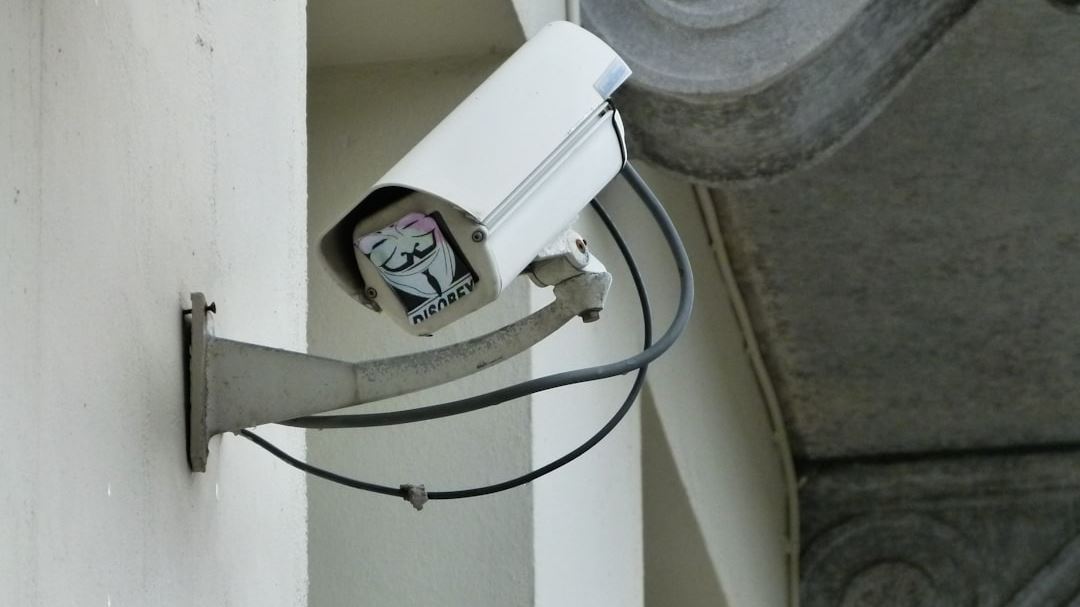
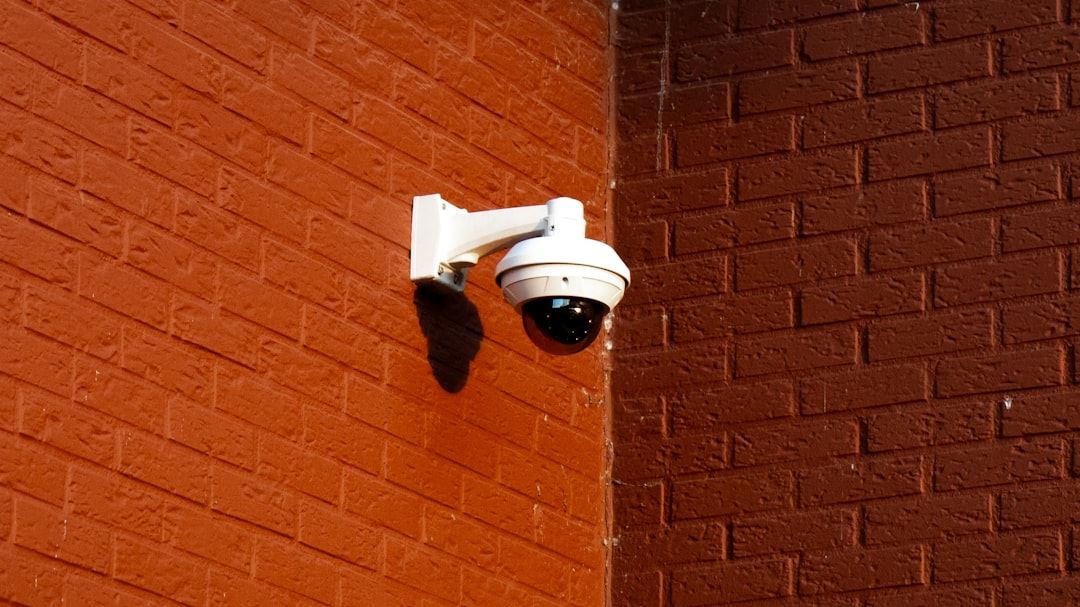
- Cameras: Provide real-time video feeds accessible via smartphones.
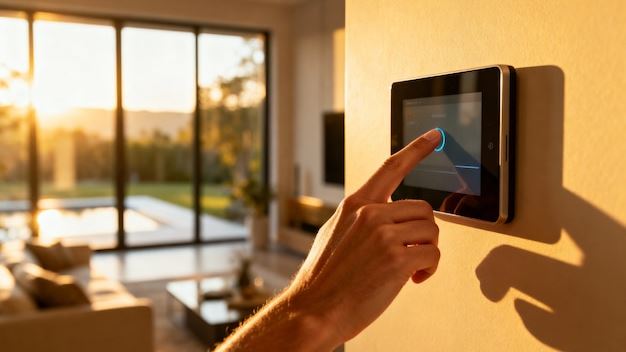
- Mobile app integration: Enable remote alerts and control.
Pros of Unmonitored Home Security Systems
Homeowners often find unmonitored systems appealing because they tend to be more affordable, easier to install, and simpler to manage. They provide immediate notifications, allowing residents to assess threats quickly, and often come with DIY options that avoid hefty installation costs.
Cons and Risks
However, unmonitored systems come with significant limitations. Since there's no professional response, homeowners must act swiftly upon alerts. This can be problematic if the resident is unavailable or incapacitated. Also, false alarms may occur, causing unnecessary stress or alert fatigue.
Real-World Scenarios and User Experiences
Imagine a homeowner asleep when a thief tries to break in. The system alerts the homeowner via smartphone, and they immediately call the police. In another case, a homeowner neglects to check the alert and the intruder gains access, exemplifying the importance of vigilance with unmonitored systems.
Expert Perspectives
Security professionals emphasize that unmonitored systems are ideal for residents who prioritize budget options or live in neighborhoods with low crime rates. However, in high-crime areas, professional monitoring provides critical added security.
How to Maximize Safety with Unmonitored Systems
- Regularly test the system and update firmware.
- Set up clear protocols for responding to alerts.
- Integrate with neighborhood watch programs where possible.
- Choose high-quality sensors and cameras for reliable detection.
The Future of Unmonitored Home Security Systems
Advancements in AI and smart home integration continue to enhance the capabilities of unmonitored systems. As technology evolves, these systems are expected to become more sophisticated, providing better detection and user experience without the ongoing costs of professional monitoring.