The Evolution of the iPhone: A Comprehensive Guide to the World's Most Iconic Smartphone
December. 05,2025
Explore the comprehensive evolution of the iPhone, from its revolutionary debut to the latest innovations. This detailed guide covers design, hardware, software, and future trends, providing insights into why the iPhone remains the world's most iconic smartphone and how it continues to shape technology and user experiences.
Introduction: The Rise of the iPhone
Since its debut in 2007, the iPhone has revolutionized the way we communicate, work, and entertain ourselves. As one of the most influential devices in modern technology, the iPhone has continually evolved, setting new standards for design, functionality, and user experience. This article explores the journey of the iPhone, the innovations introduced over the years, and what this iconic device means for consumers today.
The Birth of the iPhone: Redefining Mobile Technology
Origins and Development
The story of the iPhone begins with Apple’s vision to create a device that combines an iPod, a phone, and an internet communicator into one seamless experience. Under the leadership of Steve Jobs, Apple pioneered user-centered design, integrating a multi-touch screen with intuitive gestures. The first iPhone released in 2007 shocked the industry, offering a revolutionary touch interface absent physical keyboards.
Initial Impact and Market Reception
The initial launch garnered immense media attention, demonstrating features like visual voicemail, the App Store, and high-resolution displays. Consumers and critics alike praised the device’s sleek design and ease of use, quickly establishing the iPhone as a market leader.
Design Philosophy and Hardware Innovations
Evolution of Design
Over the years, the iPhone has transitioned from bulky plastic to sleek glass and aluminum constructions. Apple’s design philosophy emphasizes minimalism, durability, and user comfort, with each generation improving ergonomics and aesthetics.
Technical Advancements
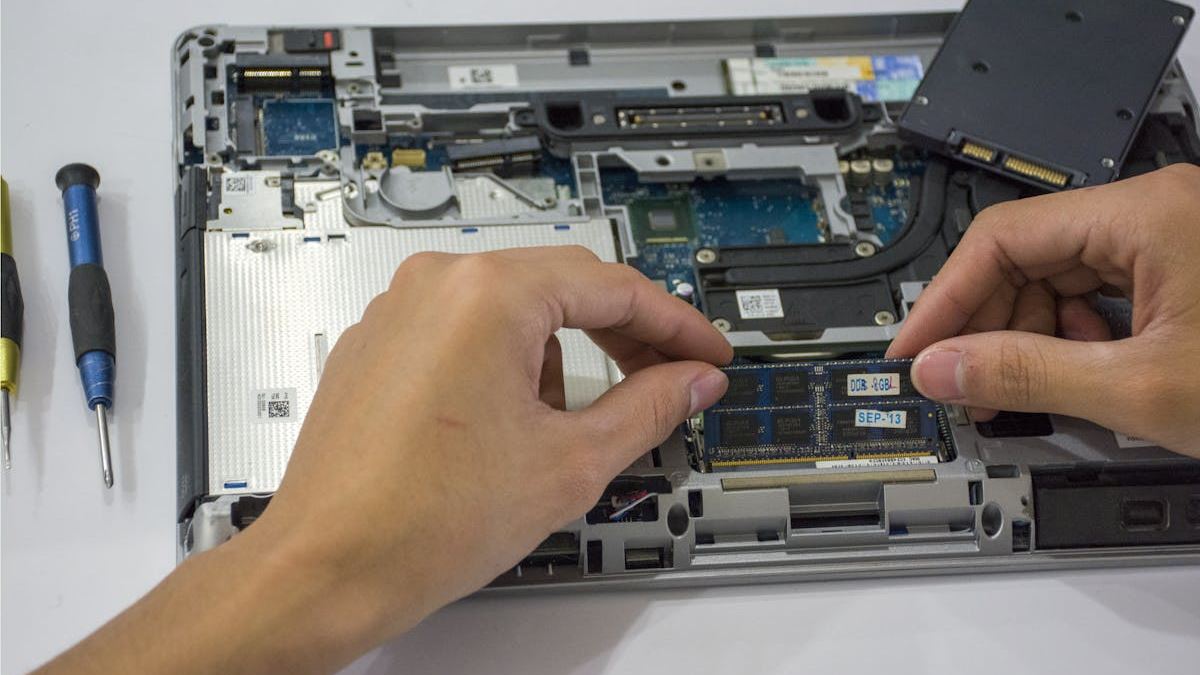
Hardware enhancements include high-resolution Retina displays, advanced camera systems, powerful processors, and longer battery life. Features like Face ID, wireless charging, and water resistance have set new industry standards.
Software and Ecosystem Integration
iOS and User Experience
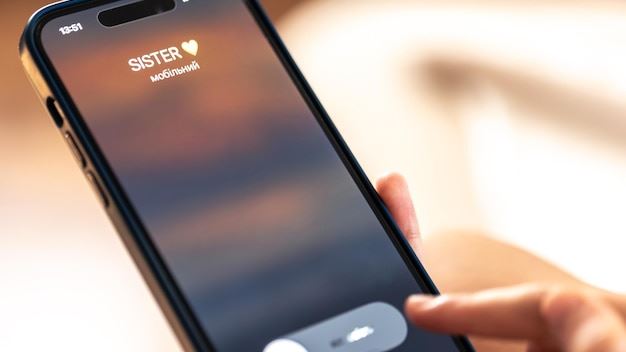
The development of iOS has been integral to the iPhone’s success. Known for its stability, security, and extensive app ecosystem, iOS offers seamless updates and consistent user experience. Features like Siri, iMessage, and FaceTime enhance communication and productivity.
App Development and App Store
Developers worldwide optimize their applications for the iPhone’s hardware and iOS capabilities. The App Store’s vast selection has created a thriving economy, providing tools for entertainment, business, education, and more.
The Future of iPhone: Innovations and Trends
Upcoming Technologies
Emerging trends like augmented reality (AR), 5G connectivity, and foldable displays are shaping the next generation of iPhones. Apple’s ongoing research aims to incorporate AI and machine learning for smarter features.
Environmental and Sustainability Goals
Apple commits to environmental sustainability by using recycled materials, reducing carbon footprint, and designing repairable devices, ensuring the iPhone remains a responsible choice for consumers.
Conclusion: The iPhone's Enduring Legacy
The iPhone has transformed from a groundbreaking device into a cultural icon, symbolizing innovation, style, and functionality. Its continuous evolution reflects Apple’s dedication to excellence and用户需求. As we look ahead, the iPhone’s trajectory promises exciting advances that will further embed it into every aspect of our lives.