Understanding Thyroid Eye Disease: Causes, Symptoms, and Management
Discover comprehensive insights into thyroid eye disease, including its causes, symptoms, diagnosis, and treatment options. This detailed guide provides valuable information for patients, caregivers, and healthcare professionals aiming to understand and manage this complex autoimmune condition effectively.
Introduction to Thyroid Eye Disease
Thyroid eye disease, also known as Graves' orbitopathy or thyroid-associated orbitopathy, is an autoimmune condition that affects the muscles and tissues around the eyes. It is closely linked to thyroid disorders, particularly hyperthyroidism caused by Graves' disease. This complex condition can impact vision, appearance, and overall quality of life, making it crucial for patients and caregivers to understand its causes, symptoms, and management options.
The Causes and Pathophysiology of Thyroid Eye Disease
Thyroid eye disease develops when the body's immune system mistakenly attacks the tissues around the eyes. This autoimmune response leads to inflammation, swelling, and remodeling of orbital tissues. Genetic predispositions, environmental factors like smoking, and uncontrolled thyroid hormone levels contribute to disease development. Understanding the pathophysiology helps in designing effective treatment strategies and highlights the importance of early diagnosis.
Recognizing the Symptoms of Thyroid Eye Disease
Early symptoms often include dry or gritty eyes, redness, and puffiness around the eyes. As the disease progresses, patients might experience bulging eyes (exophthalmos), eye pain, double vision, and vision loss in severe cases. Recognizing these signs early allows for prompt intervention, potentially preventing irreversible damage.
Diagnosis and Medical Evaluation
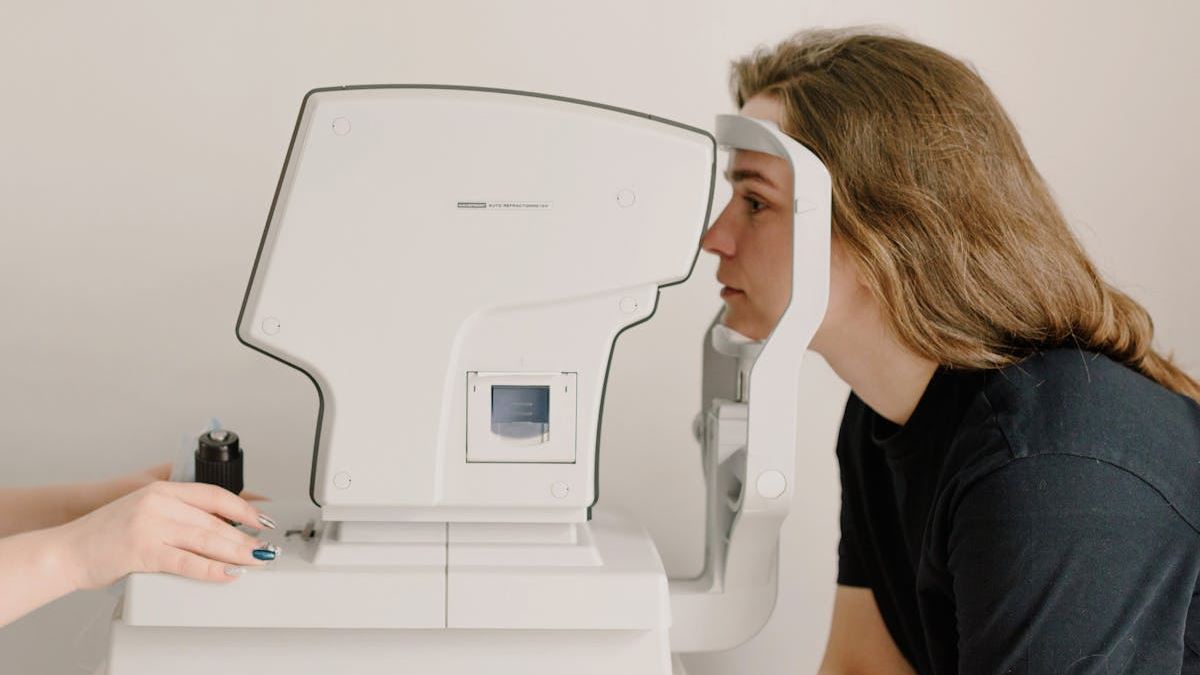
Diagnosing thyroid eye disease involves a thorough medical history, physical examination, and imaging studies such as CT or MRI scans to assess orbital tissue changes. Blood tests to evaluate thyroid function and specific antibody levels are also essential. A multidisciplinary approach, involving endocrinologists and ophthalmologists, ensures comprehensive care.
Management and Treatment Options
Treatment aims to control thyroid hormone levels, reduce inflammation, and protect vision. Common interventions include corticosteroids to decrease inflammation, orbital radiation therapy, and surgical procedures like orbital decompression for severe cases. Recent advances include monoclonal antibody therapies targeting inflammatory pathways, offering hope for improved outcomes.
Living with Thyroid Eye Disease: Patient Perspectives
Living with thyroid eye disease can be challenging, impacting mental health and daily activities. Patients often share stories of coping strategies, the importance of support networks, and the significance of personalized treatment plans. Empowered patients who understand their condition are better positioned to manage symptoms and maintain quality of life.
Expert Recommendations and Future Directions
Leading experts emphasize the importance of early diagnosis, multidisciplinary care, and ongoing research. Emerging therapies show promise in targeting underlying disease mechanisms. Patient education, lifestyle modifications like smoking cessation, and regular monitoring are vital components to improving long-term outcomes in thyroid eye disease.