Finding the Best Eye Doctors in Your Area: A Comprehensive Guide to Eye Care
Discover expert tips on finding the best eye doctors in your area. This comprehensive guide covers different types of eye care professionals, how to choose reputable providers, what to expect during exams, and strategies for maintaining healthy eyes. Ideal for anyone seeking improved vision care or new eye care providers in their community.
Introduction: Why Choosing the Right Eye Doctor Matters
Your eyesight is one of your most valuable senses. Regular eye exams and prompt treatment from qualified eye doctors in your area can prevent vision loss, improve quality of life, and detect underlying health issues. This guide explores how to find the best eye care professionals in your community, what to expect during your visits, and how to maintain healthy eyes for years to come.
Understanding the Types of Eye Doctors
Optometrists: Your Primary Eye Care Providers
Optometrists are healthcare professionals specializing in eye exams, vision correction, and early detection of eye diseases. They can prescribe glasses, contact lenses, and administer basic treatments. When searching for eye doctors in your area, optometrists are often your first contact for routine eye health services.
Ophthalmologists: The Eye Surgeons
Ophthalmologists are medical doctors with specialized training in eye surgery and complex eye conditions. If you need surgery for cataracts, glaucoma treatment, or management of more serious eye diseases, an ophthalmologist is your best choice. Knowing the difference between optometrists and ophthalmologists helps you select the right professional based on your needs.
Opticians: The Vision Correction Specialists
Opticians are technicians who fit and dispense glasses and contact lenses prescribed by optometrists or ophthalmologists. While they do not perform eye exams, they ensure your visual aids fit correctly and comfortably.
How to Find Reputable Eye Doctors in Your Area
Utilize Online Search Tools and Reviews
Searching for eye doctors in your area can begin with popular online directories such as Google Maps, Yelp, or health-focused platforms like Zocdoc. Pay attention to patient reviews, ratings, and testimonials to gauge the quality of care.
Seek Recommendations from Trusted Sources
Ask family, friends, or your primary care physician for recommendations. Personal experiences can provide insights into a doctor's bedside manner, waiting times, and treatment efficacy.
Verify Credentials and Experience
Ensure the doctor is board-certified by the American Board of Ophthalmology or American Optometric Association. Check their experience with specialized procedures if needed, especially for complex conditions.
Visit the Clinic and Ask Questions
Schedule an initial consultation to assess the clinic’s environment, staff professionalism, and how well they address your concerns. Prepare questions about services offered, technology used, and emergency care policies.
What to Expect During Your Eye Examination
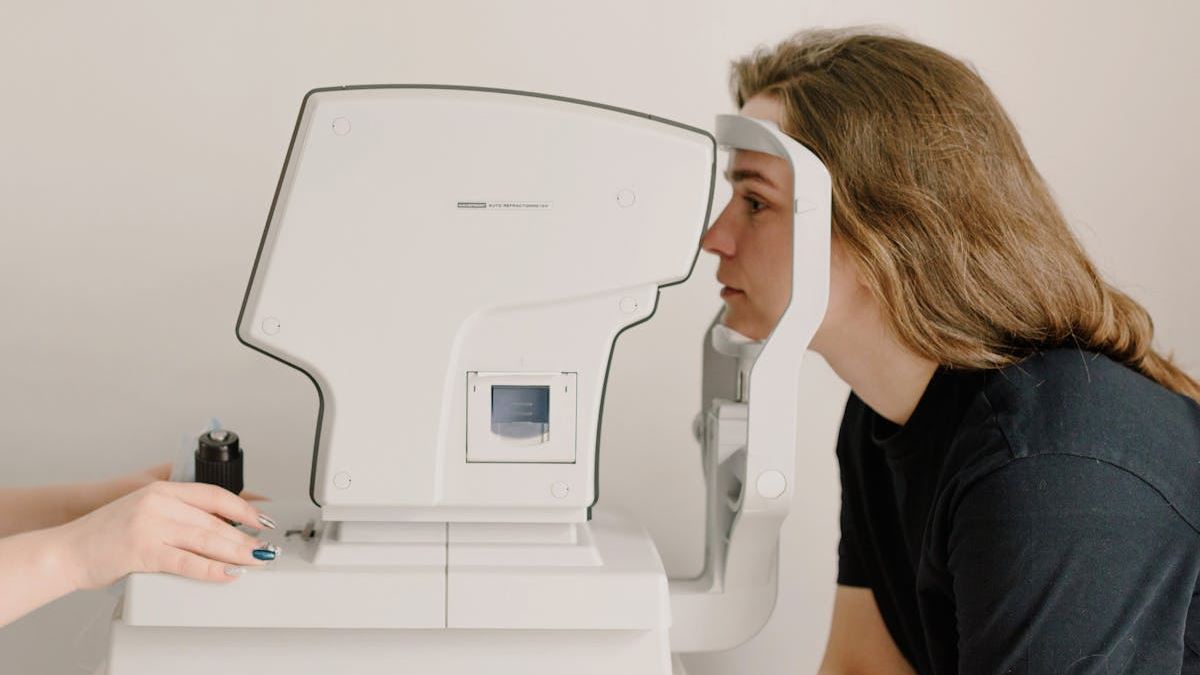
Regular eye exams typically include vision tests, intraocular pressure measurements, and examinations of the retina and optic nerve. Depending on your age and health, your eye doctors in your area may recommend additional testing or imaging modalities like OCT or retinal photography.
Addressing Common Eye Concerns and Conditions
Presbyopia and Myopia
Common age-related and nearsightedness issues are often corrected with glasses or contact lenses. Eye doctors can help you choose the right vision correction options tailored to your lifestyle.
Dry Eye Syndrome and Allergies
If you experience discomfort, redness, or irritation, your doctor can diagnose the cause and recommend solutions such as artificial tears, medications, or lifestyle adjustments.
Serious Conditions: Glaucoma, Cataracts, and Macular Degeneration
Early detection of these diseases is crucial. Regular checkups with eye doctors in your area ensure timely intervention, preserving your vision and preventing further deterioration.
Maintaining Eye Health Between Visits
Adopt a healthy diet rich in leafy greens, omega-3 fatty acids, and vitamins like A, C, and E. Wear UV-protective sunglasses, quit smoking, and follow your eye doctor’s recommendations for ongoing health practices.
Conclusion: Invest in Your Vision
Choosing the right eye doctors in your area is an investment in your ongoing visual health. Stay proactive with regular appointments, adhere to treatment plans, and stay informed about new advancements in eye care to enjoy clear vision for years to come.