Understanding the Role of a Neurologist: A Comprehensive Guide to Brain & Nervous System Care in the United States
Discover the essential role of a neurologist in diagnosing and treating brain and nervous system disorders. This comprehensive guide explores the pathway to becoming a neurologist, types of neurological conditions managed, technological advances, and the importance of specialized care in the United States, emphasizing trust and innovation for optimal patient outcomes.
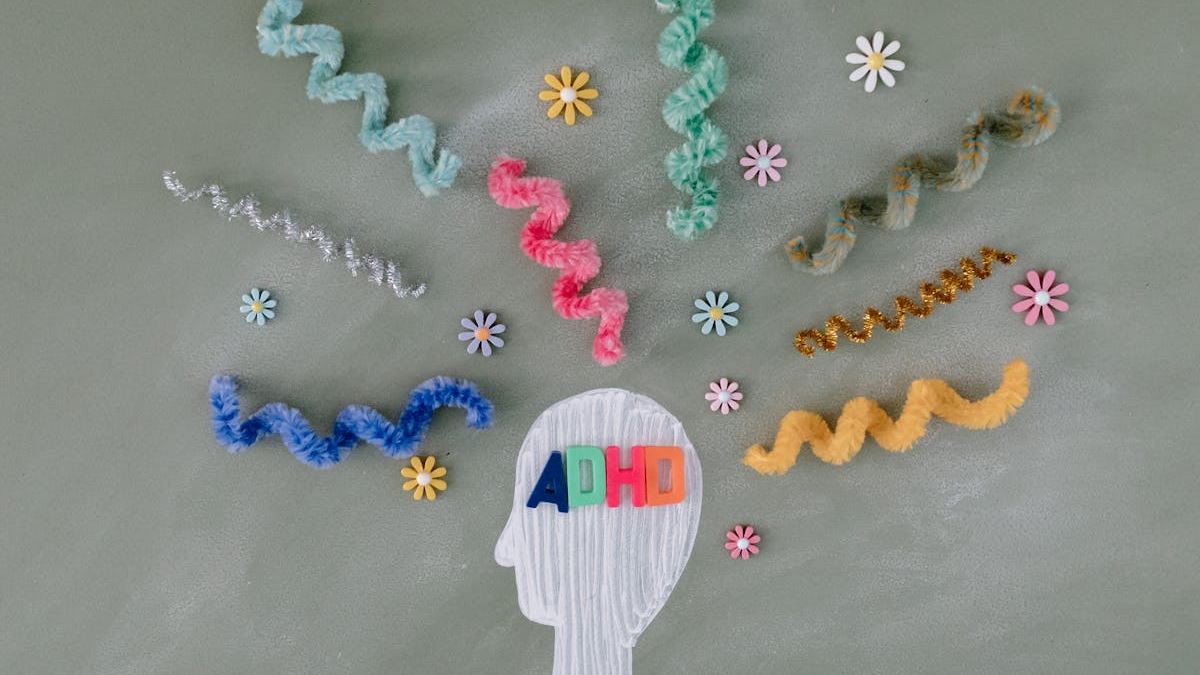
Introduction to Neurologists and Their Importance in Healthcare
In the rapidly advancing world of medicine, the specialization of neurology has increasingly become vital. A neurologist is a medical doctor who specializes in diagnosing, treating, and managing disorders of the nervous system, which includes the brain, spinal cord, nerves, and muscles. As neurological conditions—such as strokes, epilepsy, multiple sclerosis, and Parkinson's disease—become more prevalent, the role of a neurologist has never been more crucial in the United States.
The Scope of Neurology: Conditions Managed by a Neurologist
Neurologists are equipped to handle a broad spectrum of neurological disorders. These range from acute conditions like stroke and traumatic brain injuries to chronic degenerative diseases such as Alzheimer's and ALS. They also diagnose and treat conditions like epilepsy, migraine, and neuromuscular disorders. The comprehensive scope of their practice ensures that patients receive specialized care tailored to their unique neurological needs.
Pathways to Becoming a Neurologist in the United States
The journey to becoming a neurologist involves extensive education and training. It begins with earning a bachelor's degree, followed by four years of medical school. Postgraduate training includes a one-year internship and a three-year residency in neurology. Many neurologists pursue fellowships for subspecialization, such as stroke or epilepsy. This rigorous pathway ensures that neurologists are equipped with the expertise necessary for complex diagnosis and treatment.
The Patient-Doctor Relationship: Building Trust with a Neurologist
Given the complexities of neurological conditions, the relationship between patients and neurologists relies heavily on trust, understanding, and communication. Patients often face fear and uncertainty when diagnosed with neurological disorders. An experienced neurologist not only provides medical expertise but also offers emotional support, guiding patients through treatment options, lifestyle adjustments, and ongoing management plans. Such relationships foster better health outcomes and patient satisfaction.
Technological Advances in Neurology and Their Impact on Patient Care
The field of neurology has witnessed significant technological innovations, including advanced neuroimaging techniques like MRI and CT scans, as well as minimally invasive surgical procedures. These advancements have revolutionized diagnosis and treatment, allowing for earlier detection and more precise interventions. Neurologists today leverage telemedicine for remote consultations, expanding access to specialist care across diverse geographical areas in the United States.
The Future of Neurology: Trends and Challenges
Emerging research in genetics, neuroplasticity, and regenerative medicine promises exciting future developments. Challenges such as increasing neurological disease prevalence, rising healthcare costs, and disparities in access remain. Future neurologists will need to integrate multidisciplinary approaches and adopt innovative technologies to meet these challenges effectively, ultimately improving neurological health for diverse populations.
Conclusion: Why Seeing a Neurologist Matters
In conclusion, a neurologist plays a vital role in maintaining neurological health, diagnosing complex disorders, and improving quality of life. For anyone experiencing neurological symptoms or seeking specialized care for chronic neurological conditions, consulting with a qualified neurologist is essential. As medical science advances, the expertise of neurologists will continue to be a cornerstone in the fight against neurological diseases and disorders in the United States.