Understanding Teeth Dental Implants: A Comprehensive Guide to Restoring Your Smile
Explore the comprehensive world of teeth dental implants, from surgical procedures and benefits to maintenance tips. Discover how modern implant dentistry can restore your smile, improve oral function, and boost confidence. This authoritative guide covers everything you need to know for making informed dental health decisions.
Introduction to Teeth Dental Implants
In recent years, teeth dental implants have revolutionized restorative dentistry, offering patients a permanent and natural-looking solution for missing teeth. Whether caused by decay, injury, or periodontal disease, missing teeth can significantly impact a person's confidence, oral health, and overall quality of life. This article explores everything you need to know about teeth dental implants, from the procedure and benefits to maintenance and patient considerations.
What Are Teeth Dental Implants?
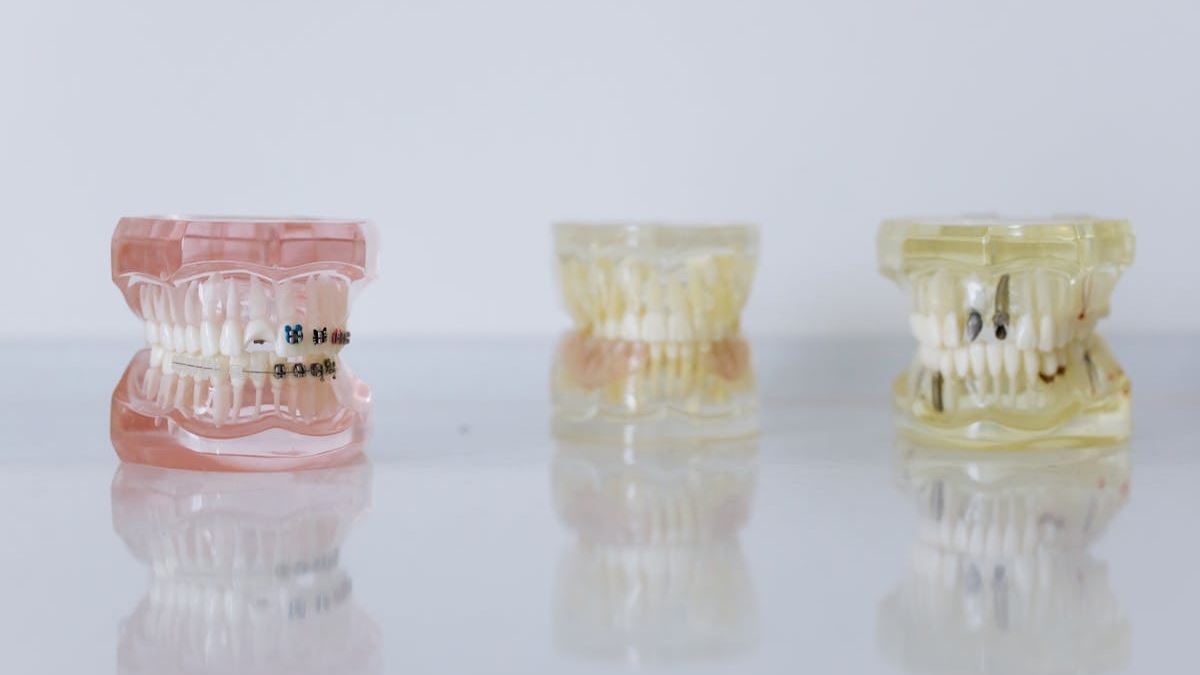
Teeth dental implants are biocompatible titanium posts surgically placed into the jawbone to serve as a sturdy foundation for artificial teeth such as crowns, bridges, or dentures. Unlike traditional dentures, implants integrate with the bone through a process called osseointegration, providing stability, durability, and a natural feel. This innovative dental technology closely mimics the structure of natural teeth, making it a preferred choice for many patients seeking a long-term solution.
The Implant Procedure: Step-by-Step
Initial Consultation and Evaluation
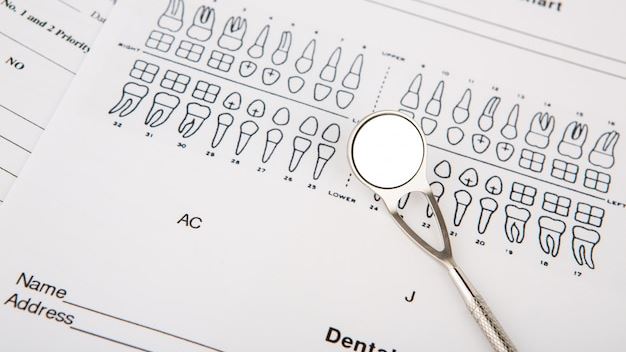
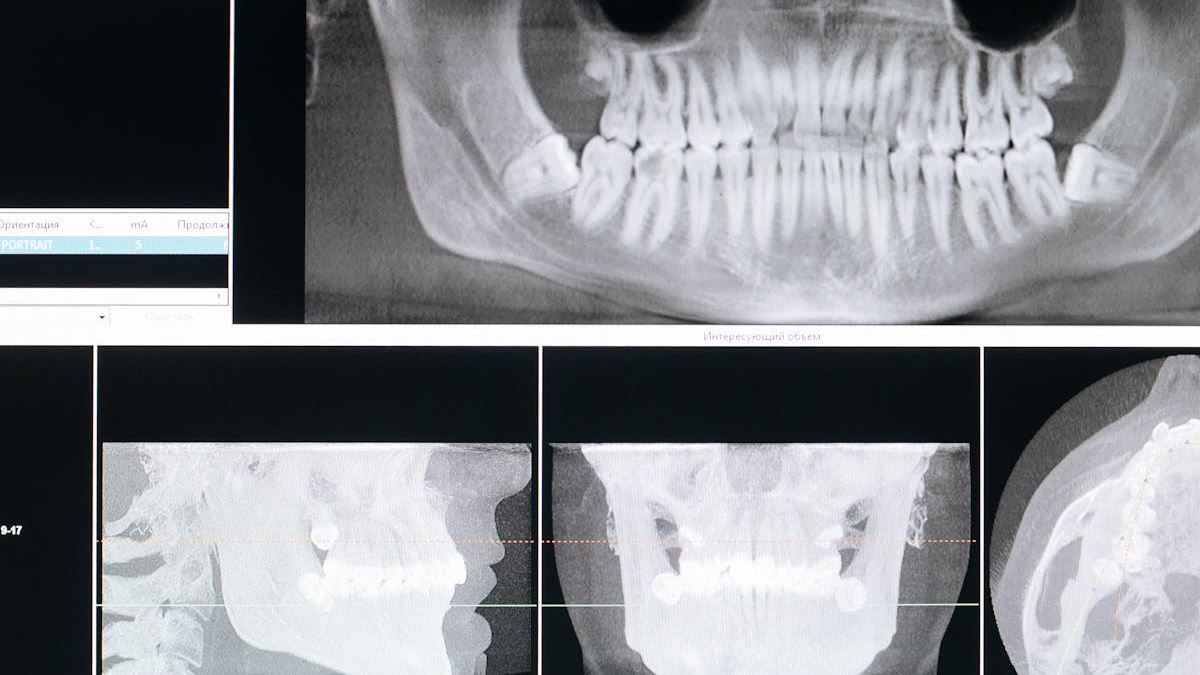
Before the procedure, a comprehensive dental exam, including imaging like X-rays or 3D scans, is performed to assess bone density and oral health. This helps determine if the patient is a suitable candidate for dental implants.
Surgical Placement of the Implant
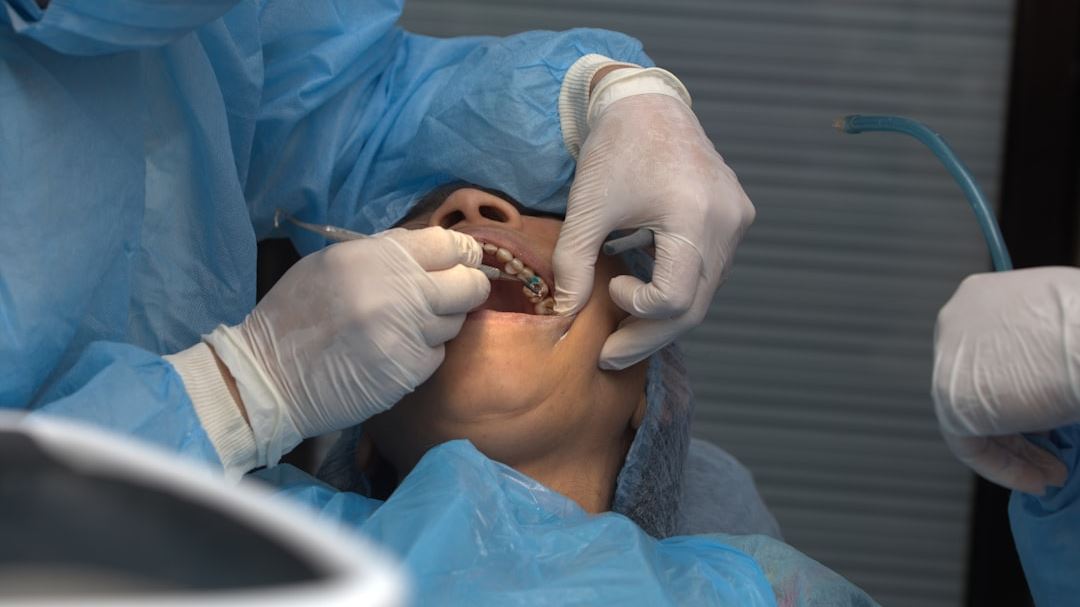
The procedure involves surgically inserting the titanium post into the jawbone. Anesthesia is used for patient comfort, and careful placement ensures maximum integration. Post-surgical healing typically takes several months as the implant fuses with the bone.
Attaching the Abutment and Fabricating the Artificial Tooth
Once healing is complete, a small connector called an abutment is attached to the implant, serving as the base for the artificial tooth. Custom crowns are then crafted to match the patient's natural teeth in color, shape, and size, completing the restoration process.
Benefits of Choosing Teeth Dental Implants
Patients opt for dental implants for many compelling reasons, including:
- Enhanced Aesthetics: Restores natural appearance and confidence.
- Improved Functionality: Allows for normal chewing and speaking.
- Bone Preservation: Stimulates jawbone, preventing bone loss.
- Longevity: With proper care, implants can last a lifetime.
- Comfort and Convenience: No adhesives or removal required like traditional dentures.
Potential Risks and Considerations
While dental implants boast high success rates, potential risks include infection, nerve damage, sinus issues, or implant failure. Candidates should discuss their medical history with an experienced implant dentist to ensure suitability. Proper oral hygiene and regular dental visits are essential for long-term success.
Choosing the Right Dental Professional
Implant procedures require expert care. When selecting a dentist or oral surgeon, consider their experience, qualifications, and reviews. A qualified professional will conduct thorough assessments, utilize advanced imaging technologies, and provide personalized treatment plans.
Real-World Scenarios and Patient Success Stories
Many patients have transformed their lives with teeth dental implants. For example, John, a 55-year-old from California, regained his ability to eat favorite foods and improved his confidence after losing multiple teeth due to periodontal disease. His journey underscores the importance of choosing experienced professionals and proper postoperative care.
Future Trends in Dental Implants
Advancements in materials, digital dentistry, and minimally invasive techniques continue to improve outcomes. Innovations like immediate load implants and implant-supported dentures are making treatment faster and more accessible for patients across the United States.