The Complete Guide to Dental Implants: Restoring Smiles and Confidence
Discover the comprehensive guide to dental implants, the advanced solution for missing teeth. Learn about the procedure, benefits, recovery process, and how to choose the right specialist to restore your smile and confidence with durable, natural-looking dental implants.
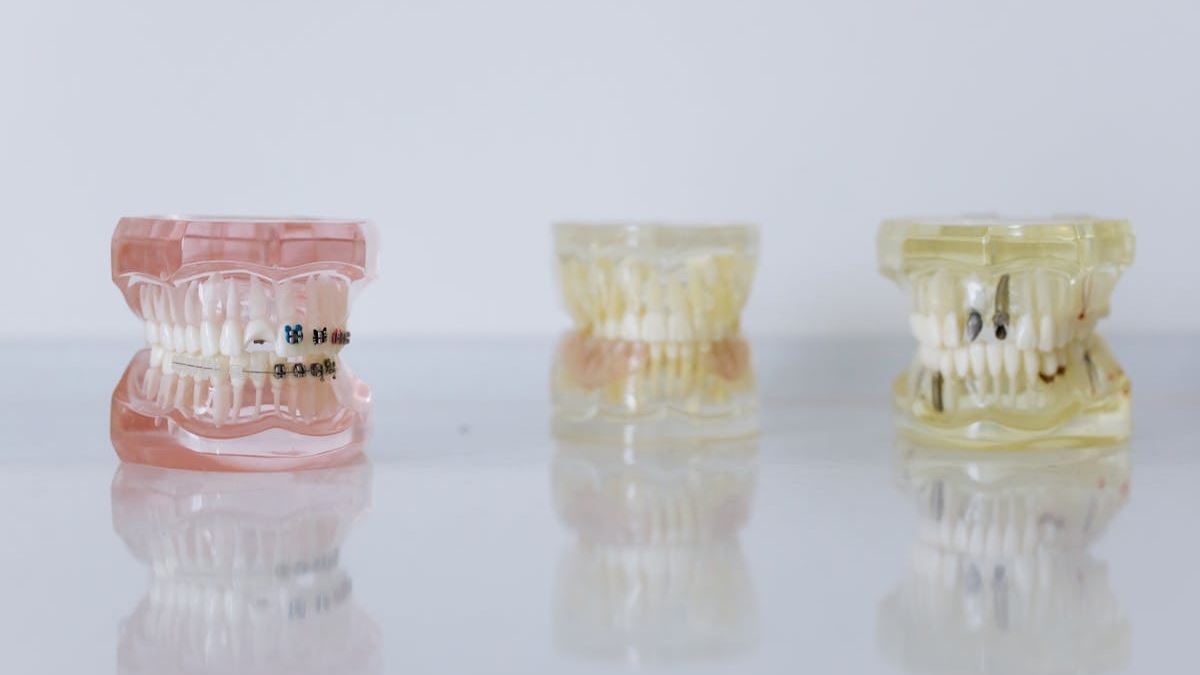
Introduction to Dental Implants
What Are Dental Implants?
Dental implants are artificial tooth roots made of biocompatible materials, typically titanium, that are surgically embedded into the jawbone. They serve as a stable foundation for attaching replacement teeth such as crowns, bridges, or dentures. The integration process, known as osseointegration, ensures that the implant fuses securely with the bone, providing durability and stability comparable to natural roots.
The Benefits of Dental Implants
Enhanced Appearance and Confidence
Dental implants mimic the look and feel of natural teeth, restoring your smile and boosting self-confidence. They fill gaps effectively and prevent the sagging of facial muscles caused by missing teeth.
Improved Functionality
Implants restore chewing efficiency, allowing individuals to eat their favorite foods without discomfort or worry about slipping. Speech is also improved, especially compared to traditional dentures.
Longevity and Durability
When properly cared for, dental implants can last decades or even a lifetime. Their durability makes them a cost-effective solution over time.
Understanding the Dental Implant Procedure
Initial Consultation and Evaluation
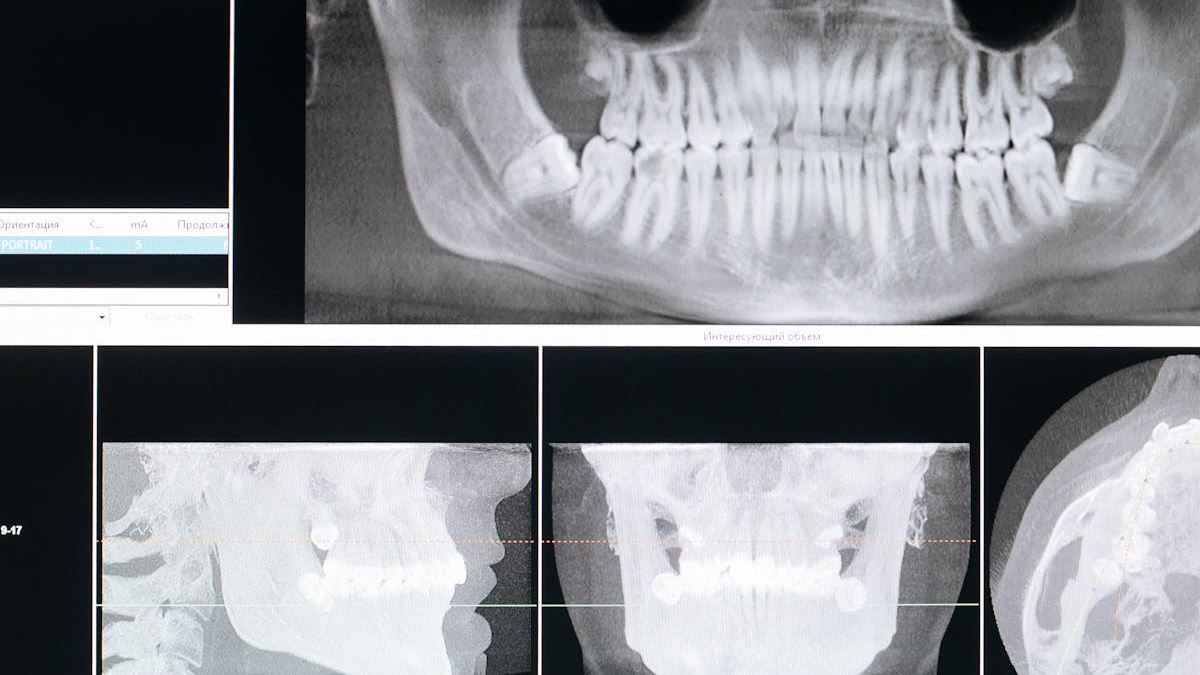
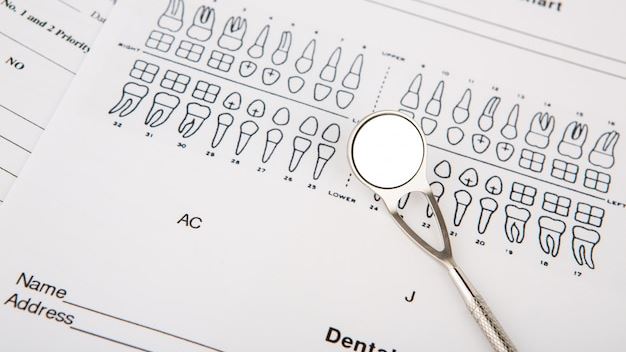
Before the procedure, a comprehensive dental examination, including imaging such as CT scans, assesses bone density and anatomical considerations. The dentist discusses treatment options, explains the process, and evaluates overall health.
Surgical Placement of the Implant
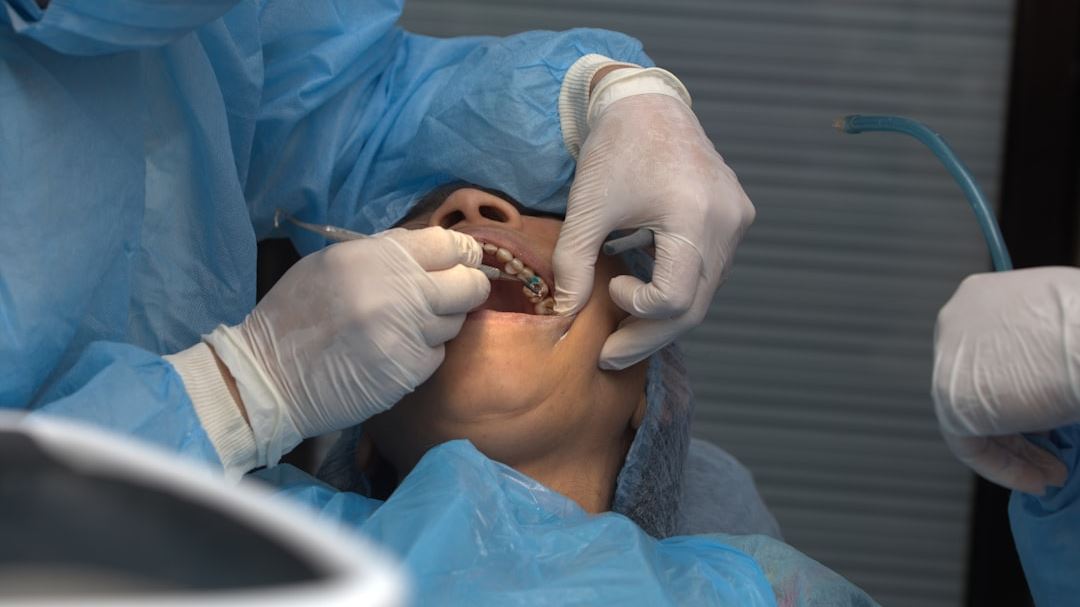
The procedure begins with local anesthesia, followed by the surgical placement of the titanium post into the jawbone. Post-surgical discomfort is generally manageable, and patients typically resume normal activities within a few days.
Osseointegration and Abutment Placement
Over the next three to six months, the implant undergoes osseointegration, ensuring stability. Once confirmed, an abutment is attached, serving as a connector for the prosthetic tooth.
Final Restoration
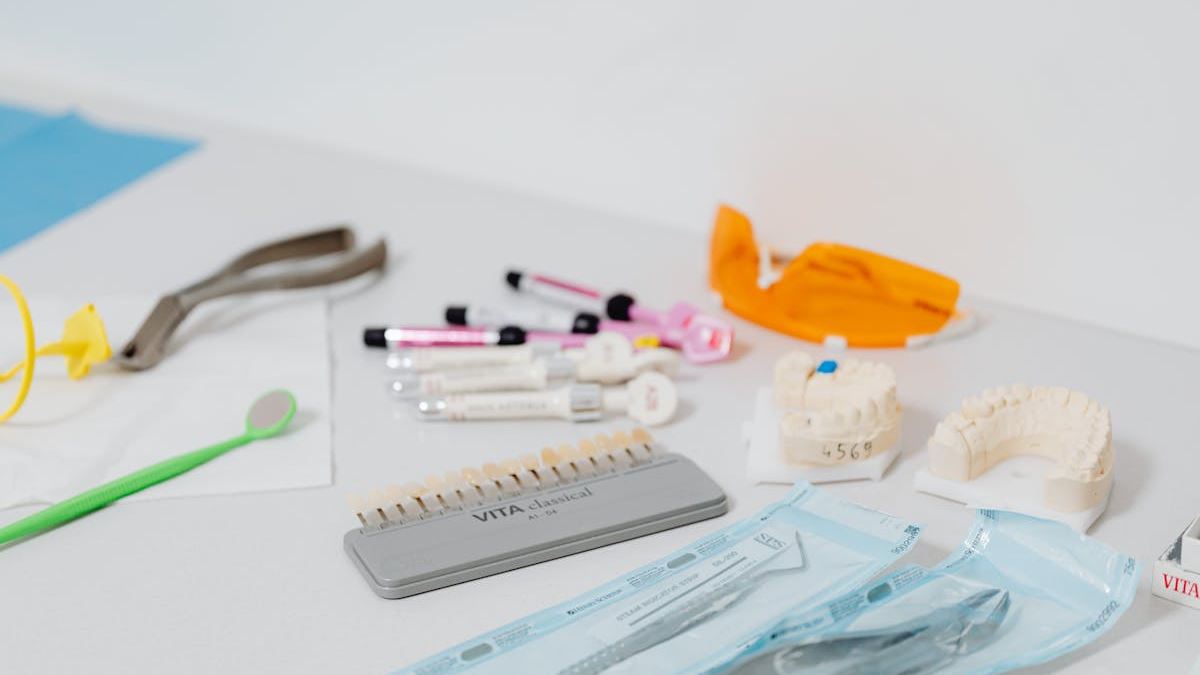
The last step involves placing a custom-made crown, bridge, or denture onto the abutment, completing the restoration process. The final result is a natural-looking, functional tooth replacement.
Recovery and Long-Term Care
Post-operative care includes managing swelling and discomfort with prescribed medications, maintaining oral hygiene, and avoiding hard foods. Regular dental check-ups are essential to monitor implant health.
Besides daily brushing and flossing, using antimicrobial mouth rinses can prevent peri-implantitis, a condition that can compromise implant stability. Lifestyle choices, such as avoiding smoking and excessive alcohol, also contribute to longevity.
Potential Risks and Complications
As with any surgical procedure, dental implants carry risks such as infection, nerve damage, or implant failure, often due to poor bone integration or oral hygiene. Consulting a highly experienced implantologist and adhering to post-surgical instructions minimize these risks.
Choosing the Right Dental Implant Specialist
Experience and qualifications matter. Prospective patients should seek licensed dentists or oral surgeons with specialized training in implant dentistry. Reading reviews and viewing before-and-after photos can help inform decision-making.
Real-World Scenarios
For example, a middle-aged patient with significant bone loss might require bone grafting before implant placement, highlighting the importance of customized treatment planning. For seniors missing multiple teeth, implant-supported dentures can provide secure and comfortable solutions, significantly improving quality of life.
Conclusion
Dental implants represent a remarkable advancement in dentistry, offering a durable, natural appearance and restoring function for those with missing teeth. While the procedure entails careful planning and a commitment to oral health, the long-term benefits are worth the investment. For anyone considering tooth replacement options, consulting with a qualified dental professional is the first step toward re-establishing their smile and confidence.