Comprehensive Guide to Mental Health Resources for Veterans in the United States
Explore a comprehensive guide on mental health resources for veterans in the United States. Learn about federal programs, community initiatives, nonprofit organizations, and innovative therapies designed to support veterans' mental wellness, reduce stigma, and enhance access to care.

Understanding the Unique Mental Health Challenges Faced by Veterans
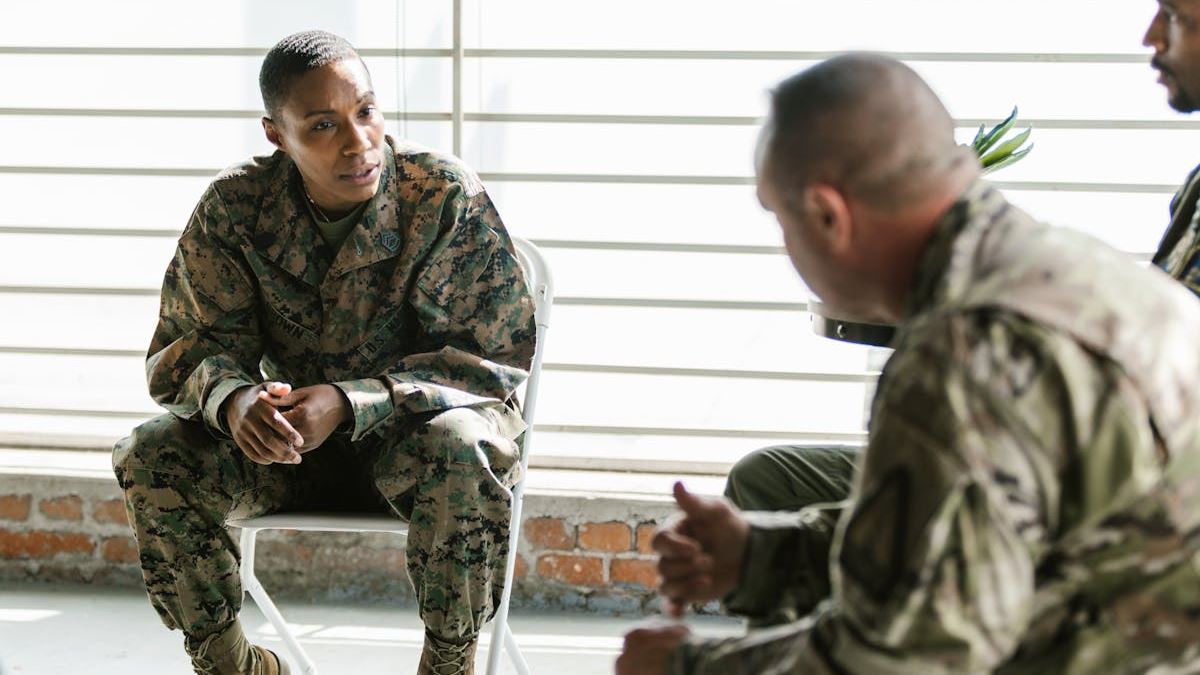
Military service exposes veterans to unique stressors that can significantly impact mental health. From combat exposure to reintegration struggles, veterans often grapple with conditions such as post-traumatic stress disorder (PTSD), depression, anxiety, and substance abuse. Recognizing these challenges is crucial for providing appropriate support.
The Importance of Accessible Mental Health Resources for Veterans
Ensuring veterans have access to quality mental health resources not only improves their well-being but also enhances community safety and productivity. Barriers such as stigma, lack of awareness, and limited access to specialized care can prevent veterans from seeking help. Addressing these issues requires a comprehensive approach involving federal, state, and community-based programs.
Federal Programs and Initiatives Supporting Veteran Mental Health
VA Medical Centers and Community Clinics
The Department of Veterans Affairs (VA) operates a vast network of medical centers and clinics nationwide offering mental health services tailored to veterans' needs, including counseling, medication management, and crisis intervention.
Vet Centers
Vet Centers provide confidential readjustment counseling and outreach services, often serving veterans who might hesitate to access traditional VA facilities due to stigma or privacy concerns.
Military and Veteran-Specific Hotlines
Hotlines such as the Veterans Crisis Line offer immediate support for veterans experiencing mental health crises, ensuring swift assistance 24/7.
State and Community-Based Resources: Expanding Support Networks
Many states have initiatives like mental health cooperatives and peer support programs dedicated to veteran needs. Community organizations often partner with local VA facilities to provide workshops, support groups, and outreach events aimed at reducing stigma and promoting mental wellness.
Nonprofit Organizations and Peer Support Networks
Nonprofit Support Organizations
Organizations such as Wounded Warrior Project, DAV, and Give an Hour offer free or low-cost mental health services, advocacy, and peer-led support tailored specifically for veterans and military families.
Peer Support Programs
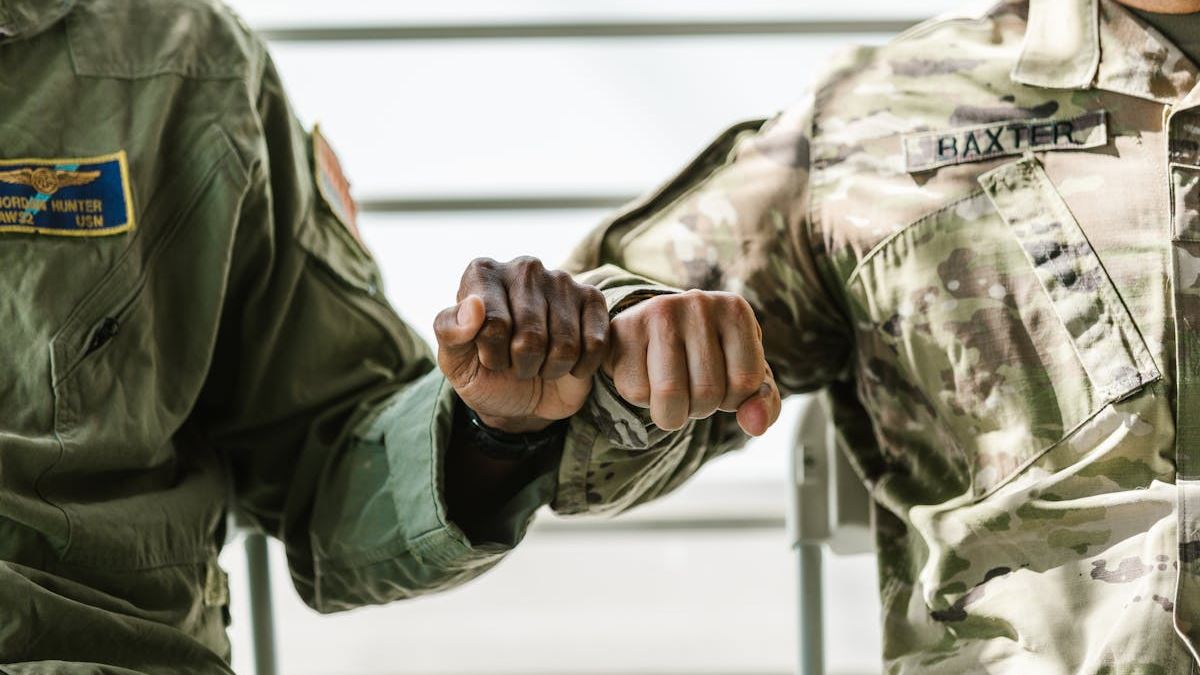
Peer-to-peer programs connect veterans with trained veterans who understand their experiences firsthand, fostering trust and openness that can be pivotal in recovery.
Innovative Approaches and Future Directions
Emerging therapies such as telehealth, virtual reality exposure therapy, and mobile mental health applications are revolutionizing access and effectiveness of mental health care for veterans. Continued research and technological integration promise more personalized and accessible solutions in the future.