Unlocking Opportunities: A Comprehensive Guide to Veteran Home Loans in the United States
Discover the comprehensive guide to veteran home loans in the United States. Learn how these benefits help veterans achieve homeownership with no down payment, low interest rates, and flexible terms. From eligibility to application steps, explore expert insights and real-world success stories that illustrate the power of VA loans in transforming lives.
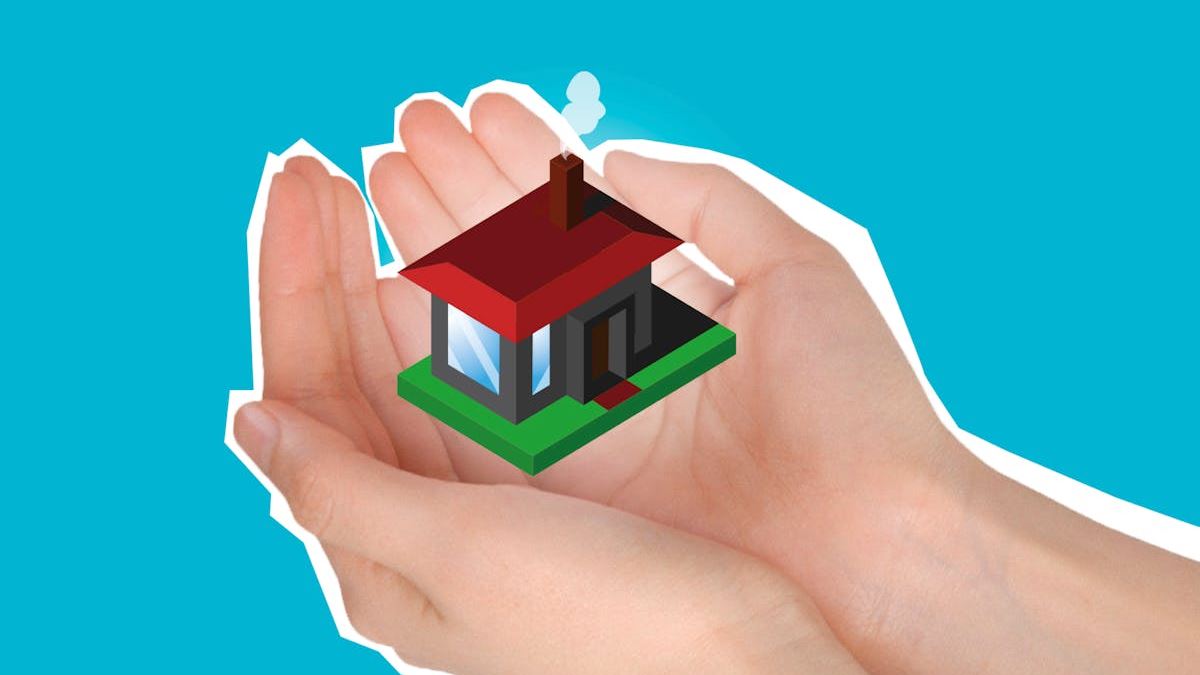
Introduction to Veteran Home Loans
For many service members and veterans, achieving the dream of homeownership is within reach thanks to specialized loan programs designed to meet their unique needs. The veteran home loan program, managed primarily by the Department of Veterans Affairs (VA), offers extensive benefits that make buying a home more accessible and affordable. Understanding how these loans work, who qualifies, and how to navigate the application process is essential for veterans seeking to capitalize on these advantageous opportunities.
Understanding the Basics of Veteran Home Loans
What Is a Veteran Home Loan?
A veteran home loan is a mortgage provided to eligible active-duty service members, veterans, and certain members of the National Guard and Reserves. These loans are partially guaranteed by the VA, which reduces lenders' risk and enables more favorable loan terms for borrowers.
Key Benefits of Veteran Home Loans
The benefits include no required down payment, competitive interest rates, lenient credit requirements, and no private mortgage insurance (PMI). These advantages collectively reduce barriers to homeownership and provide financial security for veterans and their families.
Eligibility Criteria
To qualify for a veteran home loan, applicants must meet specific service requirements, which typically include active duty service for a certain period, or honorable discharge. Additional eligibility depends on factors such as service dates, duty status, and duty location.
The Application and Qualification Process
Pre-Approval and Certification
Before shopping for a home, veterans should obtain a Certificate of Eligibility (COE) from the VA, which verifies their entitlement to a veteran home loan. This process involves submitting proof of military service and personal identification.
Finding the Right Lender
While VA loans are guaranteed by the government, many lenders offer VA-backed loans. It's advisable to compare different lenders to secure the best interest rates and fee structures, as well as to understand lender-specific requirements.
Loan Processing and Closing
Once approved, the process involves home appraisal, loan underwriting, and closing. Veterans should work with experienced real estate agents and loan officers familiar with VA loan procedures to ensure a smooth transaction.
Real-World Scenarios and Case Studies
Consider John, a retired Marine, who used his veteran home loan to purchase his first house with no down payment. Thanks to his VA loan benefit, he secured a low-interest mortgage, saving thousands over the life of the loan. Similarly, Lisa, an Air Force veteran, leveraged her VA loan eligibility to refinance her existing mortgage, reducing her monthly payments and interest rate.
These examples illustrate how veteran home loans can substantially improve financial stability and homeownership prospects for service members at different stages of life.
Expert Commentary and Future Outlook
Experts highlight that veteran home loans not only facilitate homeownership but also stimulate local economies through increased housing activity. Moving forward, policymakers are considering enhancements to the VA loan program, including expanded eligibility and reduced fees, to better serve the evolving needs of veterans.
Conclusion
The veteran home loan program remains one of the most valuable benefits available to those who have served in the military. By understanding the eligibility, application process, and benefits, veterans can significantly improve their chances of owning a home with favorable terms. Consulting with knowledgeable lenders and real estate professionals can make the journey smoother and more successful, ultimately helping veterans build stability and security in their new homes.