Understanding Minor Atopic Dermatitis on a Toddler's Face: A Comprehensive Guide for Parents in the U.S.
This comprehensive guide offers parents in the United States essential insights into minor atopic dermatitis on their toddlers' faces. Learn about causes, triggers, signs, effective treatments, and expert advice to keep your child's skin healthy and comfortable. Empower yourself with knowledge to manage this common skin condition proactively and compassionately.

Introduction to Minor Atopic Dermatitis on Toddler's Face
As parents, witnessing your child develop skin irritations can be concerning, especially when it appears as a minor atopic dermatitis on a toddler's face. This common condition affects many young children in the United States and can cause discomfort, self-consciousness, and challenges in managing daily skincare routines. Understanding the nuances of minor atopic dermatitis, identifying triggers, and exploring effective treatment options are essential steps towards ensuring your toddler's skin health and overall well-being.
What Is Minor Atopic Dermatitis in Toddlers?
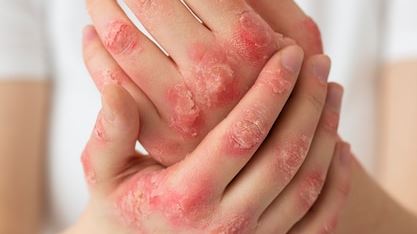
Minor atopic dermatitis, often referred to as mild eczema, is a chronic skin condition characterized by inflammation, dryness, and itching. When it manifests on a toddler's face, it can appear as patches of redness, dry scaly skin, or small bumps. Unlike severe cases, minor atopic dermatitis is often manageable and may improve with proper skincare and environmental adjustments.
Causes and Triggers of Minor Atopic Dermatitis in Toddlers
The exact cause of atopic dermatitis is multifactorial, involving genetic predispositions and environmental factors. In toddlers, common triggers include:
- Genetics: Family history of eczema, asthma, or allergies increases risk.
- Allergens: Food allergens, pollen, or pet dander can exacerbate symptoms.
- Irritants: Harsh soaps, detergents, and skincare products may irritate sensitive skin.
- Environmental factors: Changes in weather, especially cold, dry air, can worsen the condition.
Understanding these factors helps parents adopt preventive measures and reduce flare-ups.
Signs and Symptoms to Recognize
Early recognition of minor atopic dermatitis on a toddler's face enables timely intervention. Typical signs include:
- Redness and inflammation around the cheeks and chin
- Dry, flaky patches or cracked skin
- Itching that sometimes disrupts sleep or causes discomfort
- Small bumps or blisters in more irritated areas
Monitoring these signs allows for prompt action to manage and soothe your child's skin.
Effective Management and Treatment Strategies
Managing minor atopic dermatitis in a toddler involves a combination of skincare routines, environmental adjustments, and, if necessary, medical intervention. Key strategies include:
Skincare Routine
Emollients: Regularly applying fragrance-free moisturizers helps restore the skin barrier. Use thick creams and ointments at least twice daily.
Gentle Cleansing: Use mild, soap-free cleansers to avoid stripping natural oils. Avoid hot water—lukewarm is best.
Environmental Control
Maintaining a humid environment and avoiding known irritants can significantly reduce flare-ups. Keep your child's bedding and clothing free from harsh detergents.
Medical Interventions
In some cases, your pediatrician may recommend topical corticosteroids or other medicated creams for short-term use. Never use over-the-counter steroids without professional guidance. Regular follow-ups ensure proper management.
Living with Minor Atopic Dermatitis: Tips for Parents
Supporting your toddler involves patience and proactive care. Tips include:
- Encouraging your child to avoid scratching, possibly using soft gloves if necessary
- Maintaining a consistent skincare routine
- Monitoring for new triggers or allergens
- Educating yourself and caregivers about the condition
Empowering yourself with knowledge fosters a nurturing environment conducive to your child's comfort and confidence.
When to Seek Professional Help
If your toddler's minor atopic dermatitis worsens, persists beyond a few weeks, or causes significant discomfort, consult a pediatric dermatologist. Signs indicating the need for professional evaluation include:
- Spreading or worsening redness
- Development of infections, such as oozing or crusting
- Impact on your child's sleep and daily activities
Early intervention can prevent complications and improve quality of life.
Real-Life Stories: Managing Minor Atopic Dermatitis in Toddlers
Meet Sarah, a mother from Texas, who noticed redness on her 18-month-old daughter's cheeks. With guidance from her pediatrician, she adopted a gentle skincare routine and avoided known irritants. Within weeks, her daughter's skin healed, and flare-ups decreased. Stories like Sarah's illustrate the positive impact of education and effective care in managing minor atopic dermatitis.
Expert Insights on Managing Minor Atopic Dermatitis
Dermatologists emphasize that early, consistent skincare routines are vital. Dr. Jane Smith, a pediatric dermatologist, states, "Understanding triggers and applying appropriate moisturizers can control minor atopic dermatitis effectively, preventing escalation and ensuring your child's comfort."
Conclusion: A Compassionate Approach to Your Toddler's Skin Health
Minor atopic dermatitis on a toddler's face can seem daunting, but with proper knowledge, skincare routines, and professional support, parents can navigate this condition confidently. Prioritize gentle care, stay alert for triggers, and seek medical advice when necessary. Your attentiveness and compassion are key to helping your child thrive despite skin challenges.