The Ultimate Guide to AI Detectors: Ensuring Integrity in the Age of AI-Generated Content
Explore the comprehensive world of AI detectors, their functions, applications, limitations, and future trends. This guide offers insights into how these tools help verify content authenticity across various industries, ensuring trust in the age of AI-generated material.
Introduction: The Rise of AI and Its Challenges
Artificial intelligence has revolutionized numerous industries, from healthcare to entertainment. Among its many applications, AI-generated content has become increasingly prevalent, raising concerns about authenticity and originality. To address these challenges, AI detectors have emerged as essential tools in verifying whether content is human-created or generated by AI.
Understanding AI Detectors: What Are They?
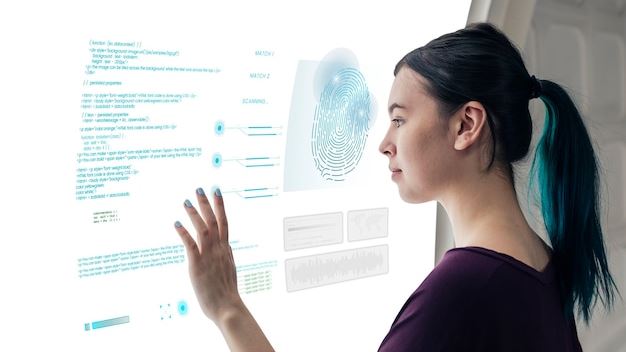
AI detector technology encompasses sophisticated algorithms designed to analyze text, images, or videos to identify signs of machine generation. These tools leverage machine learning models trained on vast datasets to recognize patterns characteristic of AI output. From academic institutions monitoring plagiarism to media outlets verifying news authenticity, AI detectors serve crucial roles in maintaining trust and integrity.
How AI Detectors Work: Behind the Scenes
Effective AI detectors analyze linguistic features such as syntax, semantics, and stylistic markers to differentiate between human and AI-generated content. They also examine metadata, use fingerprinting techniques, and detect anomalies that are typical in machine-created text. Recent advancements include deep learning models capable of understanding nuanced language patterns, making detection increasingly accurate.
Real-World Applications and Scenarios
Educational Integrity
Schools and universities increasingly deploy AI detectors to prevent plagiarism and ensure students produce original work, especially as AI writing tools become more accessible.
Media Verification
Media outlets utilize AI detectors to authenticate news stories, preventing the dissemination of fake news or manipulated content.
Corporate Security
Businesses implement AI detectors in their communication channels to identify manipulated or AI-generated content that could be used in phishing or misinformation campaigns.
Limitations and Ethical Considerations
Despite their advancements, AI detectors are not infallible. False positives and negatives can occur, leading to challenges in verdict accuracy. Additionally, ethical concerns revolve around privacy, potential misuse, and biases within detection algorithms. Transparency about detection methods and ongoing research are vital to mitigate these issues.
Future of AI Detectors: Trends and Innovations
The future promises more sophisticated AI detection systems integrating multimodal analysis, real-time processing, and enhanced specificity. Collaborations between tech companies, governments, and academic institutions aim to develop standardized protocols, fostering trust across industries.
Expert Opinions and Industry Insights
Leading AI researchers emphasize the importance of continual advancement in AI detectors, stating that as AI becomes more sophisticated, so must detection tools. Industry leaders advocate for open standards and increased transparency to ensure effectiveness and fairness.
Conclusion: Navigating AI with Confidence
AI detectors are indispensable in an era where AI-generated content is ubiquitous. Understanding their capabilities, limitations, and future developments helps organizations and individuals navigate this evolving landscape confidently. Investing in robust detection tools is essential for maintaining authenticity and trust in digital communications.