Humanize AI: Bridging the Gap Between Technology and Humanity
This article explores the significance of humanizing AI, highlighting techniques, real-world applications, and future directions. It emphasizes how empathetic, personalized AI systems can transform user experiences and foster trust, while addressing ethical considerations.
Introduction: Understanding the Need to Humanize AI
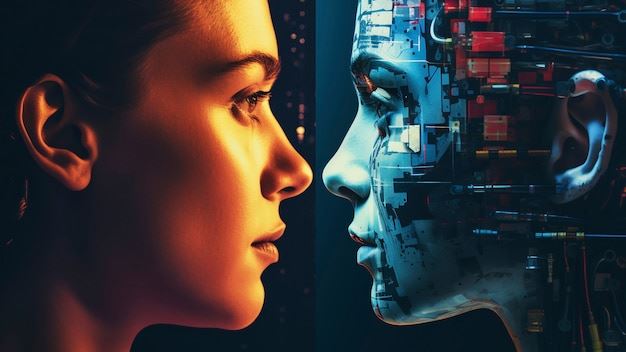
In recent years, artificial intelligence has transformed countless aspects of daily life, from customer service to healthcare. However, as AI systems become more integrated into society, a critical question emerges: how can we ensure these systems resonate with human values, emotions, and needs? The concept of humanize AI seeks to bridge the emotional and experiential gap between machines and humans, creating technology that not only performs tasks but also understands and relatably interacts with us.
The Importance of Humanizing AI in Today's Society
Enhancing User Experience and Trust
One of the primary reasons to humanize AI is to improve user experience. When AI systems exhibit empathetic responses, users feel more understood and valued, fostering trust and loyalty. For example, chatbots equipped with natural language understanding and empathy can handle customer complaints more effectively, making interactions smoother and more human-like.
Addressing Ethical Concerns and Moral Complexity
As AI takes on roles that impact life-changing decisions—such as medical diagnosis or legal assistance—it's vital that these systems incorporate human ethics and moral judgment. Humanizing AI ensures that technological processes align with societal values, reducing risks of bias, misjudgment, or neglect of human welfare.
Techniques and Strategies to Humanize AI
Natural Language Processing and Emotion Recognition
Advanced NLP enables machines to understand and generate human language more naturally. When combined with emotion recognition technology, AI can detect feelings like frustration or joy, adjusting responses accordingly to create more empathetic and meaningful interactions.
Personalization and Context Awareness
Humanized AI adapts to individual user preferences and situational context. For instance, healthcare AI that remembers patient history and preferences offers more personalized care, fostering a sense of understanding and compassion.
Incorporating Ethical Frameworks
Embedding ethical guidelines into AI decision-making processes helps in aligning machine behavior with human moral standards. This approach is crucial for sensitive applications like autonomous vehicles or criminal justice systems.
Real-World Applications and Case Studies
Customer Service and Virtual Assistants
Leading companies deploy humanized AI in customer support via chatbots that can understand nuances in language and mimic empathetic responses, leading to higher satisfaction rates and brand loyalty.
Healthcare and Therapeutic AI
AI-powered therapy bots and diagnostic tools that recognize emotional cues facilitate more compassionate healthcare, especially important in mental health support, broadening access and reducing stigma.
Education and Training
Intelligent tutoring systems that adapt to student emotions, learning styles, and feedback create engaging, human-centered educational experiences.
The Future of Humanize AI: Opportunities and Challenges
Emerging Technologies and Innovations
With ongoing developments like affective computing and advanced conversational AI, the potential to further humanize AI is immense. These innovations could lead to truly empathetic machines capable of nuanced social interactions.
Challenges and Ethical Dilemmas
Despite progress, humanize AI raises concerns over privacy, manipulation, and loss of authentic human connection. Developers and policymakers must work together to establish responsible frameworks for AI design and deployment.
Conclusion: Toward a Symbiotic Relationship with AI
The path to successful humanize AI lies in creating technology that complements and enhances human life, respecting our emotions, morals, and individuality. As AI continues to evolve, fostering empathy and understanding will be central to building an inclusive digital future ours can trust and cherish.