Comprehensive Guide to Eczema Cream Prescription in the United States
November. 28,2025
Explore our comprehensive guide on eczema cream prescription in the United States, covering types, factors influencing choices, and expert advice. Learn how tailored treatments can manage eczema effectively and improve quality of life.

Understanding Eczema and the Role of Prescribed Creams
Eczema, also known as atopic dermatitis, is a chronic skin condition characterized by dry, itchy, inflamed skin. Its prevalence in the United States affects millions, making effective management essential. An eczema cream prescription is often the cornerstone of treatment, tailored to soothe symptoms, reduce inflammation, and prevent flare-ups. Understanding the nuances of prescribed creams enables patients to better navigate their treatment options and achieve improved skin health.
Types of Eczema Creams Prescribed in the US
Several types of eczema creams are available, and a healthcare provider selects the most appropriate based on severity, age, and individual response. Main categories include:
Topical Corticosteroids
Among the most common prescribed eczema creams, corticosteroids reduce inflammation rapidly. They vary in strength—from mild hydrocortisone to potent clobetasol—allowing for tailored treatment plans. Experts emphasize the importance of proper usage to minimize potential side effects like skin thinning.
Moisturizers and Emollients
While not classified as medications, these are often prescribed to maintain skin barrier function. Prescription-grade moisturizers can provide a more effective barrier and aid in reducing flare-ups.
Topical Calcineurin Inhibitors
Drugs like tacrolimus and pimecrolimus are prescribed as steroid-sparing alternatives. They are effective, especially for sensitive areas such as the face or eyelids, and carry a different side effect profile.
Factors Influencing Eczema Cream Prescription Choices
Physicians consider multiple factors when prescribing eczema creams:
Severity and Location of Eczema
Mild cases might only require over-the-counter options, whereas severe or widespread eczema necessitates stronger, prescription creams.
Patient Age and Skin Sensitivity
Children and individuals with sensitive skin often require milder formulations or non-steroid options.
Potential Side Effects and Long-term Use
Doctors aim to balance effective symptom control with minimizing adverse effects. For some patients, steroid-sparing agents are preferred for long-term management.
Navigating the Prescription Process for Eczema Creams
Getting an eczema cream prescription involves consultation, diagnosis, and personalized treatment planning. Here’s what to expect:
Consultation with a Healthcare Professional
A dermatologist or primary care doctor assesses the severity, skin history, and triggers before recommending an appropriate cream.
Understanding Prescription Instructions
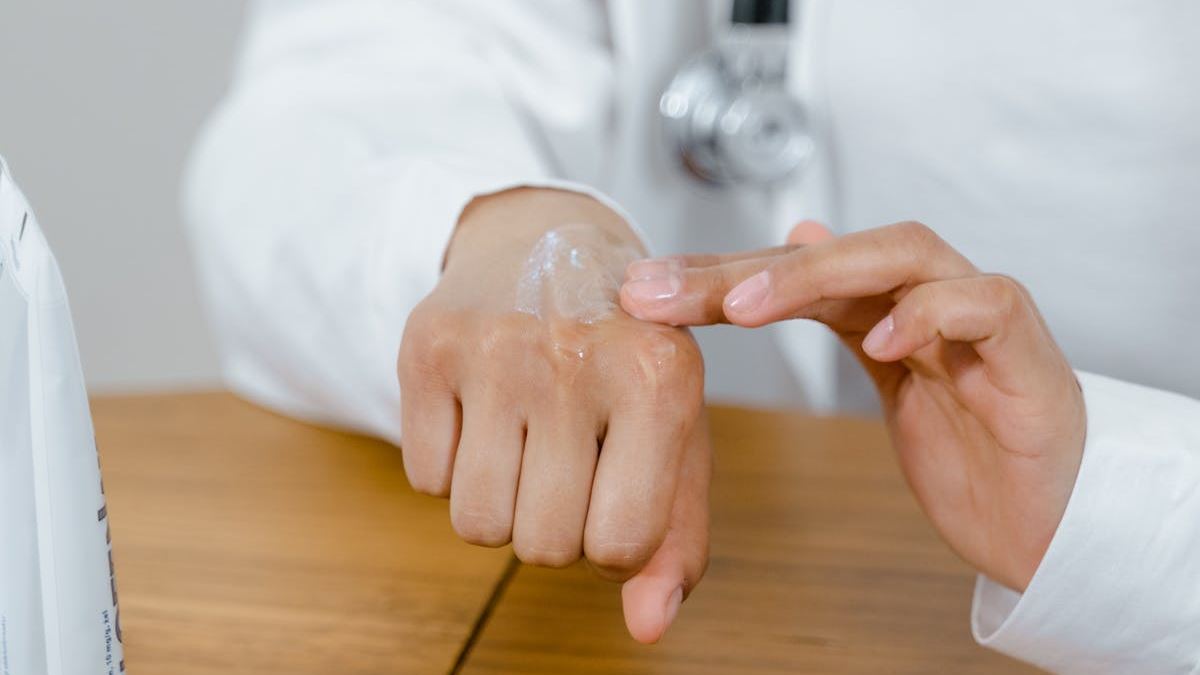
Proper application techniques and frequency are vital to maximize effectiveness and minimize risks, especially with corticosteroids.
Follow-ups and Adjustments
Regular monitoring allows doctors to adjust prescriptions, introduce adjunct therapies, and address any side effects.
Real-world Scenarios and Expert Insights
Many patients share success stories where tailored eczema cream prescriptions significantly improved their quality of life. Dermatologists highlight that patient education and adherence are critical factors for success. Advances in topical therapies, including new formulations, continue to enhance outcomes and reduce treatment-related concerns.
Conclusion: Empowering Patients Through Knowledge
A well-informed patient is better equipped to manage eczema effectively with the right prescription creams. Collaborating closely with healthcare providers ensures treatment plans are optimized, leading to healthier skin and improved well-being.