Understanding Rashes That Look Like Eczema: Causes, Symptoms, and Treatment
Discover comprehensive insights into rashes that look like eczema, covering causes, symptoms, diagnosis, and treatment options. Learn how to differentiate eczema from similar skin conditions, when to seek medical help, and effective management strategies. This guide empowers individuals to take control of their skin health with expert advice and practical tips.
Introduction
Skin rashes can be perplexing, especially when they resemble eczema but stem from different causes. Recognizing the nuances of rashes that look like eczema is crucial for accurate diagnosis and effective treatment. This comprehensive guide explores various conditions that mimic eczema, highlighting differences, symptoms, and treatment options to help sufferers and caregivers navigate their skin health.
What Are Rashes That Look Like Eczema?
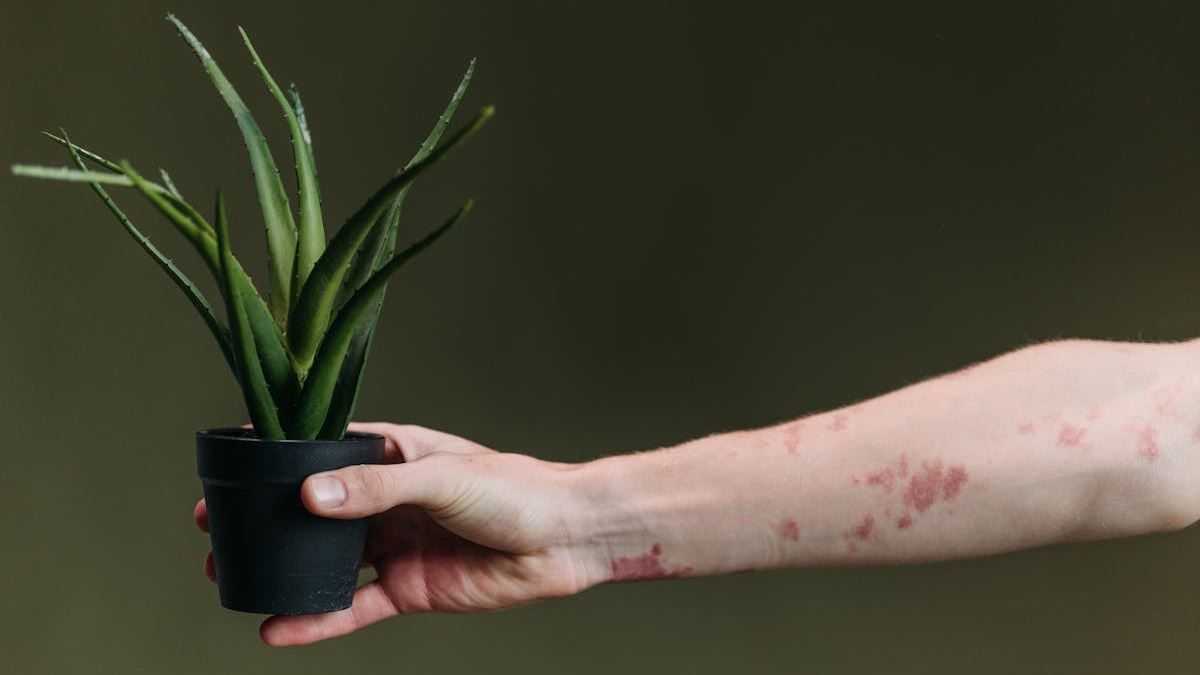
Rashes that look like eczema present as redness, inflammation, dry or scaly patches, and itching—symptoms characteristic of atopic dermatitis. However, several other skin conditions can mimic eczema’s appearance, complicating diagnosis. Recognizing these can prevent misdiagnosis, unnecessary treatments, and delay in appropriate care.
Common Conditions That Mimic Eczema
Contact Dermatitis
Contact dermatitis results from skin exposure to irritants or allergens. It often appears as red, itchy patches similar to eczema but may have a history of recent contact with new products, soaps, or environmental triggers.
Psoriasis
Psoriasis can produce thick, scaly patches that resemble eczema. Unlike eczema, psoriasis patches are often silvery, well-defined, and sometimes involve the scalp or nails. Recognizing these differences aids in diagnosis.
Fungal Infections
Fungal infections like ringworm can look like eczema, particularly in appearance and location. They often have a ring-shaped pattern, and antifungal treatment is necessary.
Scalp Conditions
Conditions such as seborrheic dermatitis often resemble eczema, especially on the scalp and face, presenting as flaky, inflamed patches.
Diagnosing Rashes That Look Like Eczema
Diagnosis involves a thorough medical history, physical examination, and sometimes skin scraping, patch testing, or biopsies. Knowing the precise cause requires close collaboration with a healthcare provider.
Effective Treatment Strategies
Treatment varies according to the underlying cause but may include topical corticosteroids, moisturizers, antihistamines, antifungal medications, or allergen avoidance. Customized treatment plans are essential for managing symptoms and preventing flare-ups.
When to Seek Medical Advice
If rashes persist, worsen, or are accompanied by other symptoms such as fever, pain, or swelling, consulting a dermatologist promptly is vital. Accurate diagnosis ensures appropriate intervention and relief.
Real-World Scenarios and Expert Insights
Cases highlight how misdiagnosing rashes that look like eczema can lead to ineffective treatments. Experts emphasize the importance of comprehensive evaluation and personalized care. For example, a patient with persistent scalp rash was initially treated for eczema but was later diagnosed with seborrheic dermatitis, leading to successful management with antifungal shampoos.
Prevention and Skin Care Tips
Maintaining skin hydration, avoiding known irritants, and implementing gentle skincare routines can reduce flare-ups. Awareness of triggers is critical in managing rashes that look like eczema.
Conclusion
Understanding the differences and similarities between eczema and other skin conditions that mimic it leads to better management and relief. Always consult a healthcare professional for accurate diagnosis and tailored treatment tailored to your skin’s needs.