Comprehensive Guide to Choosing the Best Home Security Systems for Your American Household
November. 30,2025
Discover the ultimate guide to choosing and optimizing home security systems in the United States. Learn about different types, essential features, real-world benefits, and future innovations to protect your home effectively and confidently with expert insights.
Introduction: Securing Your Home in Today's World
In an era where safety and peace of mind are paramount, selecting the right home security systems has become a critical investment for homeowners across the United States. From urban condos to rural estates, the diversity of homes necessitates tailored security solutions that address specific risks and needs. This guide provides a detailed exploration of various home security systems, helping you make informed decisions to safeguard what matters most.
Understanding Different Types of Home Security Systems
Choosing a system begins with understanding the options available. Each type offers unique benefits and caters to different security concerns.
Wired Security Systems
Wired security systems involve physical cables connecting sensors, cameras, and control panels. They are renowned for their reliability, as they are less susceptible to interference or hacking. These systems are ideal for new construction or homes where extensive wiring is feasible. However, installation can be invasive and costly, often requiring professional setup.
Wireless Security Systems
Wireless systems leverage Wi-Fi or cellular signals to connect components, offering flexibility and ease of installation. They are popular among homeowners seeking a DIY approach or those with rental properties. Modern wireless systems include advanced encryption to protect against hacking and interference. They integrate seamlessly with smart home devices, enhancing convenience and control.
Monitored Security Systems
Monitored security systems connect with a professional monitoring service that responds to alerts, such as break-ins, fire, or medical emergencies. This option provides an added layer of security, especially for homeowners frequently away or with higher risk concerns. Subscription fees apply, but the peace of mind gained is often well worth it.
Unmonitored or Self-Monitored Systems
These systems alert the homeowner via alerts or sirens when a security breach occurs, but do not involve professional monitoring. They suit budget-conscious users or those comfortable managing their security alerts directly. Integration with smartphones allows immediate response, but it requires personal vigilance.
Key Features to Consider in Home Security Systems
Not all home security systems are created equal. Certain features are essential to maximize security and convenience.
Video Surveillance and Cameras
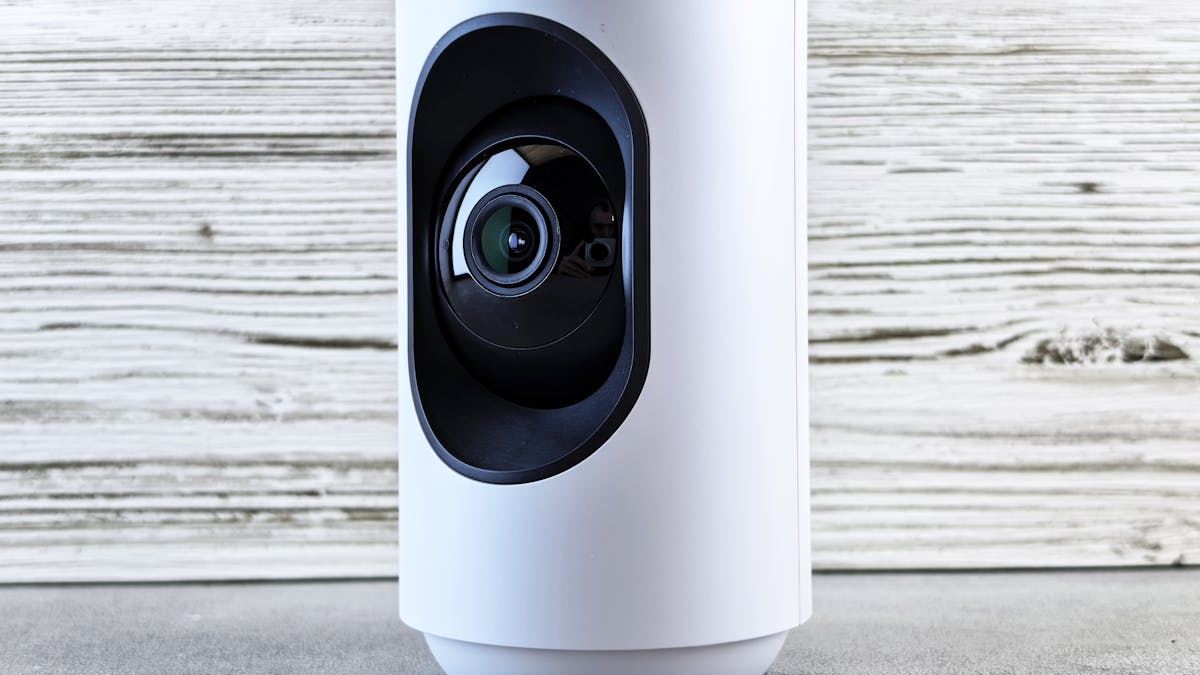
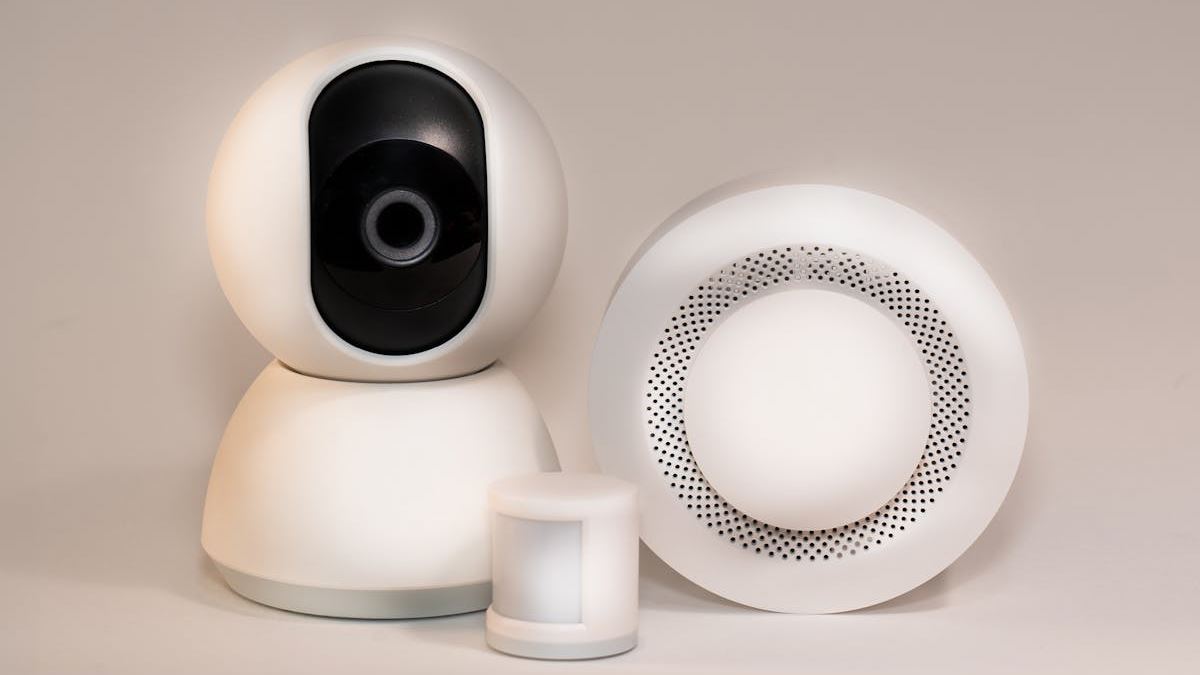
High-definition cameras with night vision, pan-tilt-zoom capabilities, and cloud storage enable real-time monitoring and evidence collection. Placement in strategic locations—entry points, driveways, and interior spaces—enhances surveillance coverage.
Sensors: Doors, Windows, and Motion
Contact sensors on doors and windows alert you when access points are compromised. Motion detectors can identify movement inside or outside your home, flagging suspicious activity even when doors are closed.
Smart Home Integration
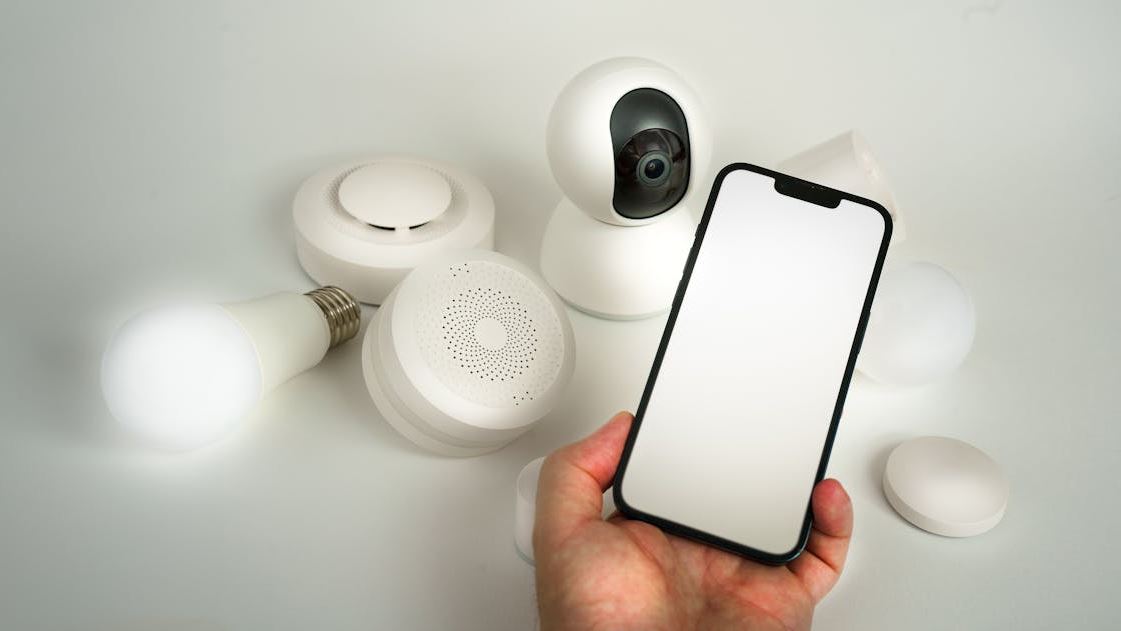
Modern home security systems seamlessly integrate with smart devices—lights, locks, thermostats—allowing remote control and automation. For example, lights can turn on automatically when motion is detected, deterring intruders.
Remote Access and Alerts
Access via smartphone apps allows homeowners to monitor, control, and receive alerts from anywhere. Real-time notifications about security breaches enable quick response and peace of mind.
Power Backup and Connectivity
Ensuring your system remains operational during power outages or internet interruptions is crucial. Backup batteries and cellular backup options provide continued security coverage.
Financial Considerations and Budgeting
Cost is a primary factor influencing your choice of home security systems. Basic DIY kits can start as low as a few hundred dollars, while comprehensive professional installations may exceed a thousand dollars, including monthly monitoring fees. Evaluate your security needs and budget accordingly, considering long-term costs versus immediate expenses.
Real-World Scenarios: How Home Security Systems Protect American Homes
Imagine a family in Chicago installs a wireless security system with cameras and smart locks. One night, a burglar attempts entry through a back door. The system detects movement, and notifications are immediately sent to the homeowner's phone. Recognizing suspicious activity, the family contacts authorities, and the intruder is deterred before entering. In another case, a homeowner in Los Angeles uses monitored systems that notify police directly during a fire, ensuring quick emergency response.
The Future of Home Security Systems
Advancements in artificial intelligence, machine learning, and IoT technologies are transforming home security systems. Future innovations include predictive analytics to identify potential threats, enhanced automation for personalized security protocols, and increased interoperability among smart home devices. Staying updated on these trends ensures homeowners can adapt and enhance their security measures continually.
Conclusion: Protecting Your Home Smartly and Effectively
Investing in the right home security systems is about more than just technology; it’s about peace of mind. By understanding the different types, features, and considerations, homeowners can select solutions tailored to their specific needs. Today’s security systems combine reliability, connectivity, and convenience to safeguard what matters most, making them indispensable for modern American households.