Discover Energy Efficient Window Upgrades That Save Money
December. 02,2025
Learn how energy-efficient window upgrades can cut your cooling and heating costs while improving home comfort. Discover the best types of windows, their costs, and tips for effective upgrades to save money in the long run. Find out whether a single window replacement or full upgrade makes sense for your budget and climate. Start saving energy and money today!

Why Upgrading Your Windows Can Save You Money
Let’s face it, our windows do a lot of heavy lifting in keeping our homes comfortable and energy bills manageable. Old, single-pane windows might look fine but secretly leak air like a sieve, letting your cool air escape in summer and warmth sneak out in winter. That’s where window upgrades come into play—think of it as giving your house a little facelift that pays for itself by reducing energy costs over time.
Types of Energy-Efficient Windows You Can Choose
When considering window replacement, you’ve got options galore. Double-pane windows with special coatings, triple-pane for extra insulation, or even low-E (low-emissivity) coatings that reflect heat. Vinyl, wood, and fiberglass frames each give you different aesthetics and durability, but the focus stays on insulation and energy savings. Picking the right window type depends on your climate, house style, and budget.
Window Replacement Cost: What Are You Looking At?
The big question floating around everyone’s mind: window replacement cost. It varies a lot depending on the size of your windows, type of materials, and whether you choose DIY or hire a pro. On average, a single window replacement can range between $300 and $1,000. Want to go for high-end, energy-efficient windows? Be prepared for $1,000–$3,000 per window. Here’s a quick table to help understand the typical costs:
| Window Type | Average Cost per Window |
|---|---|
| Standard Double-Pane | $300 - $600 |
| High-Efficiency Double or Triple-Pane | $800 - $2,500 |
| Custom or Specialty Shapes | $1,200 - $3,000+ |
How To Choose the Right Windows for Your Home
Think about your local climate—hot summers, cold winters, or both? Look for windows with low U-values for insulation. The window replacement process isn’t just about price; it’s about efficiency too. A professional installer will ensure the windows fit perfectly, minimizing air leaks and maximizing savings. And don’t forget—sometimes a simple sealant or weatherstripping can improve your current windows significantly, but replacing them might be the better long-term move.
DIY vs. Professional Window Replacement
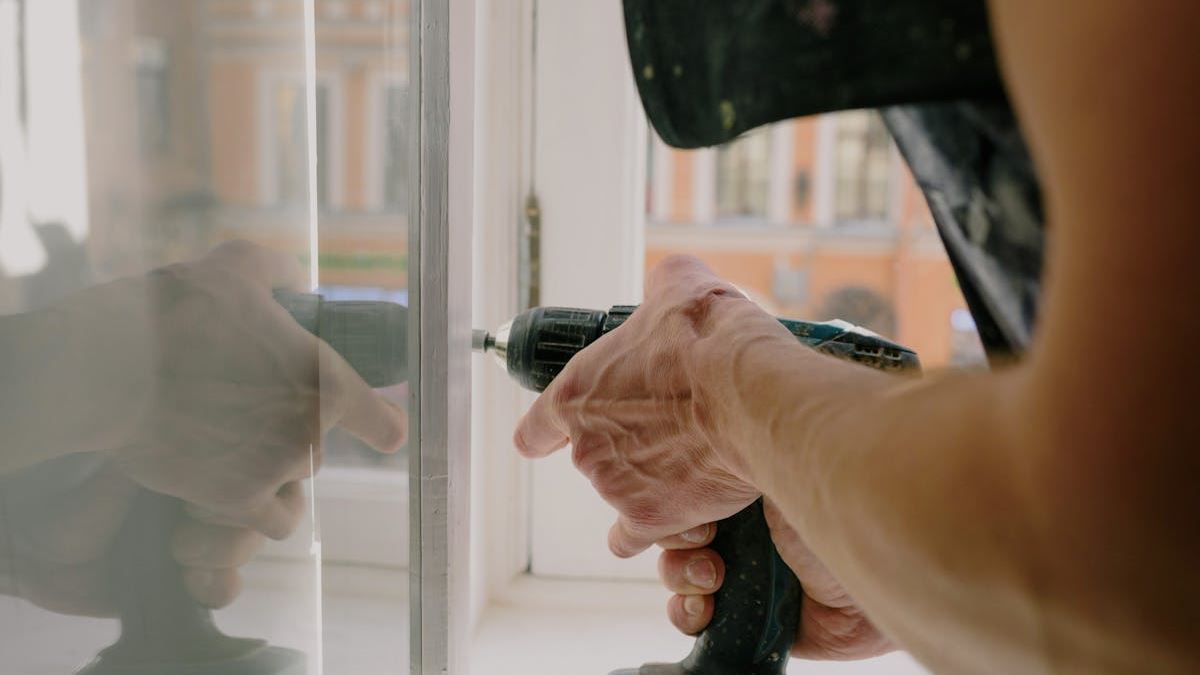
If you’re a handy person, maybe you’re considering a window replacement DIY. But honestly, unless you’re experienced, this can turn into a messy, costly affair. Proper installation is key to energy efficiency, and mistakes can cost you more in the long run. Hiring a professional guarantees it’s done right—which means your new windows perform as intended and save you money on energy bills from day one.
Tips for Maximizing Savings Post-Upgrade
Once your new energy-efficient windows are in place, use some simple tricks to maximize savings. Install LED curtains or blinds that block out heat in summer and cold in winter. Seal gaps around frames with weatherstripping. Program your thermostat to balance comfort with energy conservation. Over time, these small steps can make a noticeable difference on your energy bills, making that window upgrade paycheck-worthy.
Other Ways to Boost Your Home’s Energy Efficiency
While upgrading windows is a strong move, don’t forget other energy-saving measures. Proper insulation, sealing leaks in doors and vents, and updating heating and cooling systems can complement your window upgrade. Sometimes sealing and weatherstripping older windows is enough to save quite a bit, but for long-term savings, a full window upgrade is the way to go.