Does Folliculitis Look Like? A Comprehensive Guide to Recognizing This Common Skin Issue
Explore a detailed guide on how does folliculitis look like, helping you identify this common skin condition. Learn about its appearance, differences from similar issues, real-world cases, and expert insights to ensure correct diagnosis and treatment.

Understanding Folliculitis: An Overview
Folliculitis is a common skin condition that affects millions of people across the United States. It occurs when hair follicles become inflamed, infected, or irritated, leading to a characteristic appearance on the skin. Many individuals wonder, does folliculitis look like other skin conditions, which can often lead to misdiagnosis or unnecessary concern. This comprehensive guide aims to help you identify the signs, understand the appearance, and differentiate folliculitis from other skin issues.
What Does Folliculitis Look Like?
Visual Characteristics
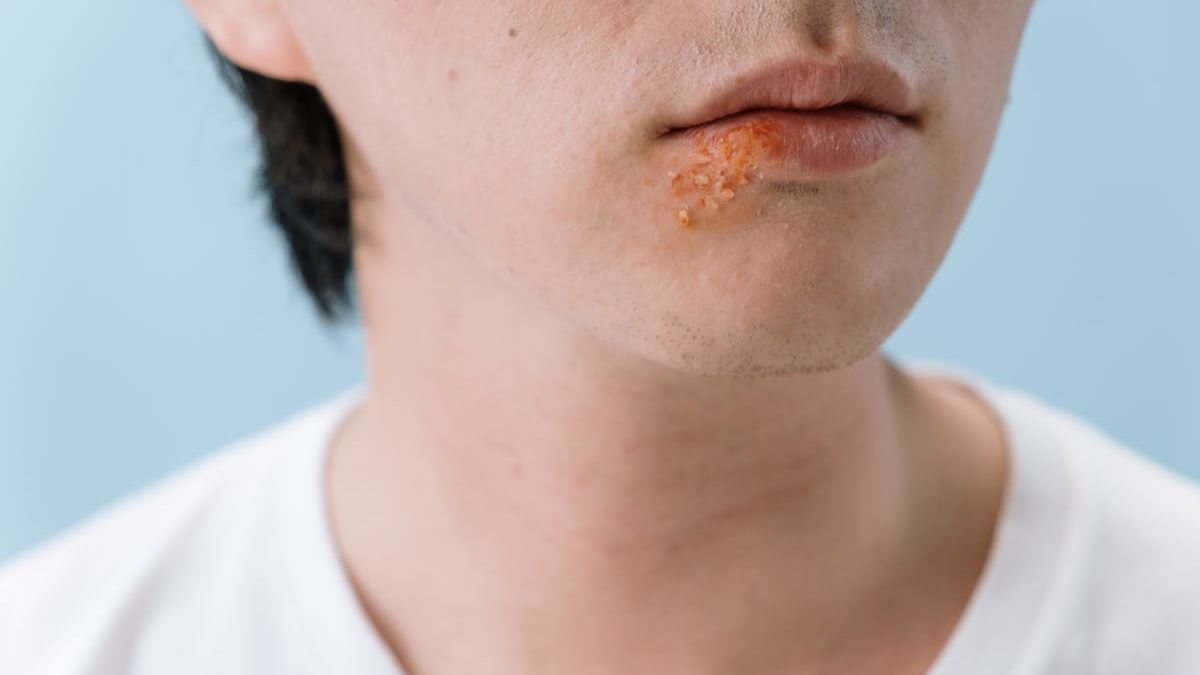
The typical appearance of folliculitis involves small, red or pinkish bumps that develop around hair follicles. These bumps may resemble pimples or goosebumps and generally appear in clusters. Sometimes, they are filled with pus, giving them a pustular look. The affected skin may be itchy, tender, or sore, but significant pain is uncommon.
Common Locations
Folliculitis frequently occurs in areas with hair, such as the neck, thighs, beard area, armpits, and groin. It can also appear on the scalp, especially after hair removal procedures or friction.
Incidence and Triggers
Understanding what causes folliculitis helps in recognizing its appearance. Factors like shaving, tight clothing, sweating, hot tubs, and bacterial or fungal infections can trigger the condition. Recognizing the typical visual signs helps differentiate folliculitis from other skin problems.
Distinguishing Folliculitis from Similar Skin Conditions
Does Folliculitis Look Like Pimples?
Many people ask, does folliculitis look like pimples. While both can appear as small bumps, folliculitis tends to affect multiple hair follicles simultaneously, forming clusters, and may have a distinct inflamed border. Pimples generally involve clogged pores without follicular inflammation.
Comparison with Acne
Acne lesions, especially papules and pustules, may resemble folliculitis, but acne typically involves oilier skin zones and presents with blackheads and whiteheads. Folliculitis is more localized around hair follicles and may involve a different underlying infection.
Folliculitis vs. Boils
In some instances, folliculitis can progress to boil formation, which are larger, painful, pus-filled lumps. Boils involve deeper skin tissues and are more severe; recognizing the difference is crucial for appropriate treatment.
Real-World Scenarios and Patient Experiences
Many patients initially confused folliculitis with other skin conditions. For example, a man in Texas noticed red bumps on his beard area after shaving, wondering, does folliculitis look like razor bumps. His dermatologist explained that while razor bumps may resemble folliculitis, the inflamed hair follicles with pus indicated folliculitis, guiding proper treatment.
Another case involved a young woman with itchy, red patches on her thighs, concerned whether it was folliculitis or eczema. Through examination, healthcare providers identified characteristic follicular pustules, confirming folliculitis, and suggested appropriate skincare and antibiotics.
Expert Commentary and Scientific Insights
Dermatologists emphasize that accurate diagnosis relies on visual examination and, when necessary, laboratory tests. "Understanding what folliculitis looks like is vital for effective management," says Dr. Jane Smith, a board-certified dermatologist. She notes that over-the-counter treatments, such as antibacterial washes, are effective when the condition is identified early.
Researchers continue to study the microbiology of folliculitis, which involves bacteria like Staphylococcus aureus and fungi. Recognizing the appearance of folliculitis aids in differentiating it from other bacterial or fungal skin infections, leading to targeted therapy.
Conclusion: Recognizing Does Folliculitis Look Like
Understanding does folliculitis look like helps in early detection and treatment, minimizing discomfort and preventing complications. Being aware of its typical appearance, common locations, and how it differs from similar skin issues empowers individuals to seek appropriate medical advice promptly. If you notice persistent or worsening symptoms, consult a healthcare professional to confirm the diagnosis and explore effective treatment options.