Comprehensive Guide to Air Conditioning Installation in the United States
This comprehensive guide covers essential aspects of air conditioning installation across the United States. From planning and system selection to professional execution and maintenance, learn how to ensure a successful setup that maximizes comfort, efficiency, and long-term savings. Ideal for homeowners and property managers seeking expert insights into reliable HVAC installation practices.

Understanding the Importance of Proper Air Conditioning Installation
As temperatures rise across the United States, having an efficient and properly installed air conditioning system becomes essential for comfort and health. Air conditioning installation is not merely about setting up units but involves precision, planning, and understanding specific needs based on your space. Incorrect installation can lead to decreased efficiency, higher energy bills, and even system failures. This guide explores the multifaceted aspects of air conditioning installation, helping homeowners make informed decisions.
Planning Your Air Conditioning Installation: Key Considerations
Assessing Your Cooling Needs
Before installation, it is vital to evaluate the cooling requirements of your space. Factors such as room size, insulation quality, sun exposure, and occupancy determine the capacity (BTU rating) your system should have. Professionals often perform a load calculation to recommend the most efficient unit, avoiding overspending on unnecessarily large units or underperformance with insufficient capacity.
Choosing the Right System Type
homeowners face several options, including central air conditioning, ductless mini-split systems, window units, and portable fans. Each system has unique benefits, installation complexities, and suitability depending on the property layout and homeowner needs. For example, central AC offers whole-house cooling but requires ductwork, while ductless systems are ideal for retrofit projects or room additions.
Preparing for the Installation Process
Site Inspection and Planning
Professional technicians conduct Thorough site assessments to identify optimal locations for outdoor units and indoor components. They ensure proper airflow, accessibility for maintenance, and compliance with safety codes. Documentation of wiring paths, electrical requirements, and space constraints are vital for a smooth installation.
Permits and Compliance
Many states and local municipalities require permits for air conditioning installation. These regulations ensure safety standards and energy efficiency compliance. Working with licensed professionals familiar with local codes streamlines this process, preventing delays and legal issues.
Executing the Installation: Step-by-Step Insights
Removing Old Equipment
If upgrading or replacing an existing system, technicians carefully disconnect and remove outdated units. Proper disposal and recycling of old components are crucial environmentally and legally.
Installation of Indoor and Outdoor Units
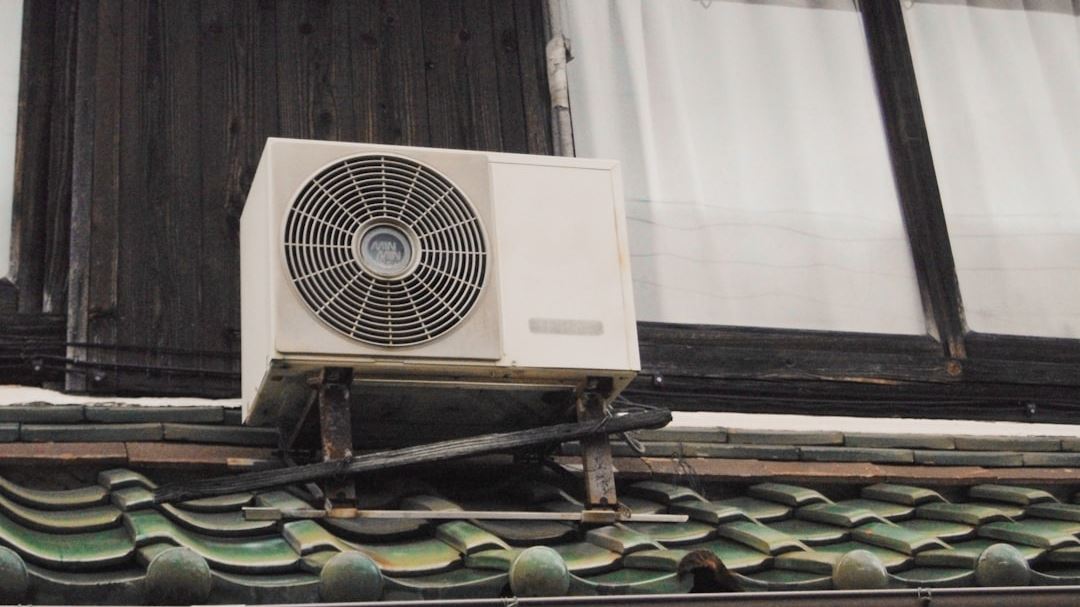
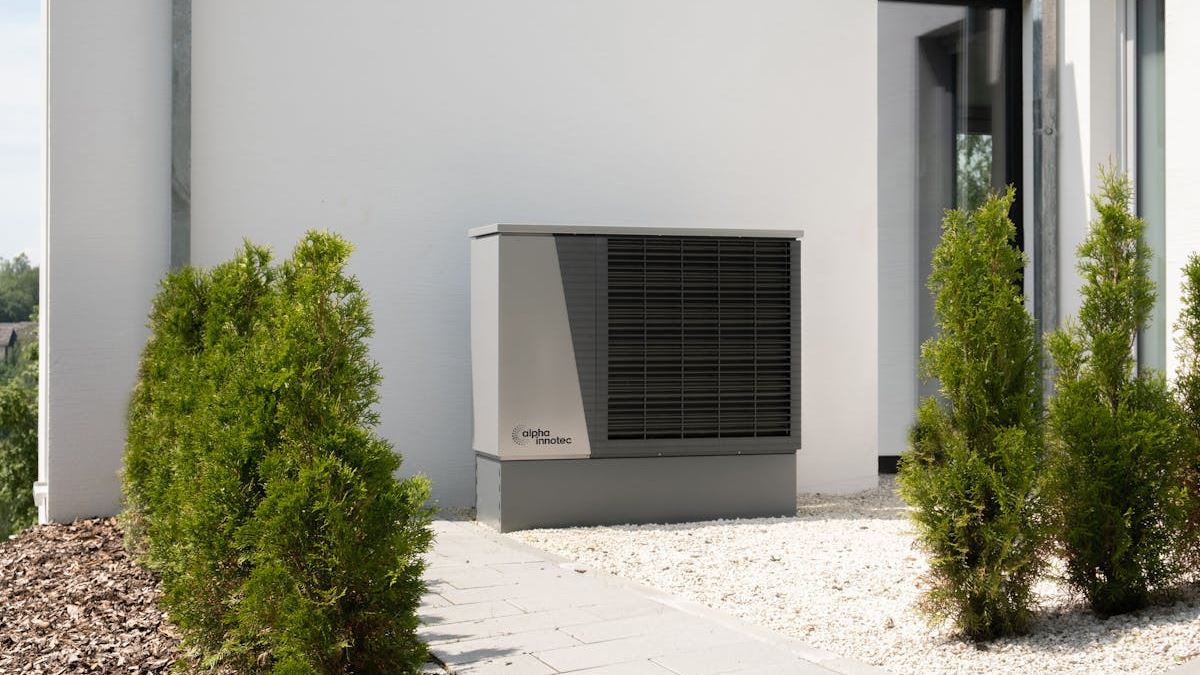
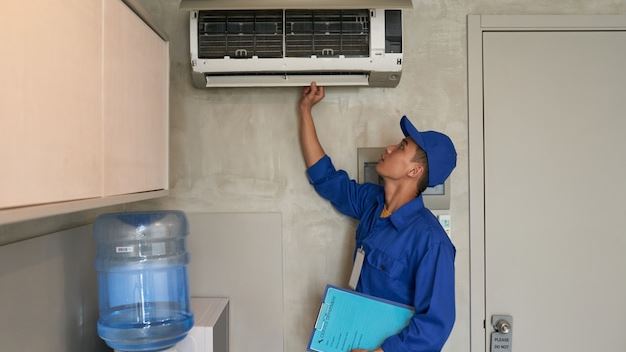
The core of air conditioning installation involves setting up the indoor air handler and outdoor condenser unit. Proper mounting, secure connections, and sealing are critical to prevent leaks, noise, and inefficient operation. Technicians use advanced tools and techniques to ensure precision.
Electrical and Refrigerant Connections
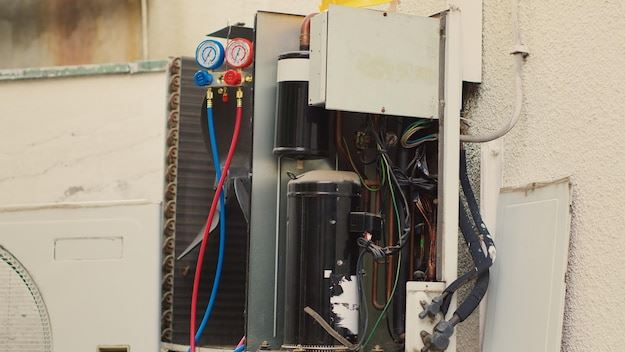
High-voltage wiring, circuit breakers, and refrigerant lines are meticulously installed following safety standards. Proper refrigerant charging is essential for optimal performance and preventing environmental harm.
Post-Installation Testing and Maintenance
System Testing and Calibration
Post-installation, technicians run comprehensive tests to verify system performance, airflow, refrigerant levels, and electrical safety. Calibration ensures the unit operates at peak efficiency.
Providing Operating Instructions and Future Maintenance
Homeowners receive guidance on system operation, thermostat settings, and routine maintenance practices. Scheduled servicing prolongs the lifespan of the system, maintains energy efficiency, and prevents costly repairs.
Cost Considerations and Investment Return
The cost of air conditioning installation varies based on system type, size, and complexity. While initial costs can be substantial, a well-installed system reduces energy bills, enhances comfort, and increases property value. Investing in professional installation is crucial for long-term savings and system longevity.
Choosing the Right Professionals for Your Installation
Selecting experienced, licensed HVAC contractors ensures quality work. Seek verified reviews, ask for detailed quotes, and confirm warranties. Experts can also recommend upgrades and different system types tailored to your needs.
Conclusion: Ensuring Successful Air Conditioning Installation
Proper air conditioning installation is an investment in comfort, safety, and energy efficiency. Taking the time to assess needs, select suitable systems, and work with qualified professionals guarantees a cooling solution that serves your home for years. Stay informed and proactive to enjoy optimal indoor climate control regardless of the season.