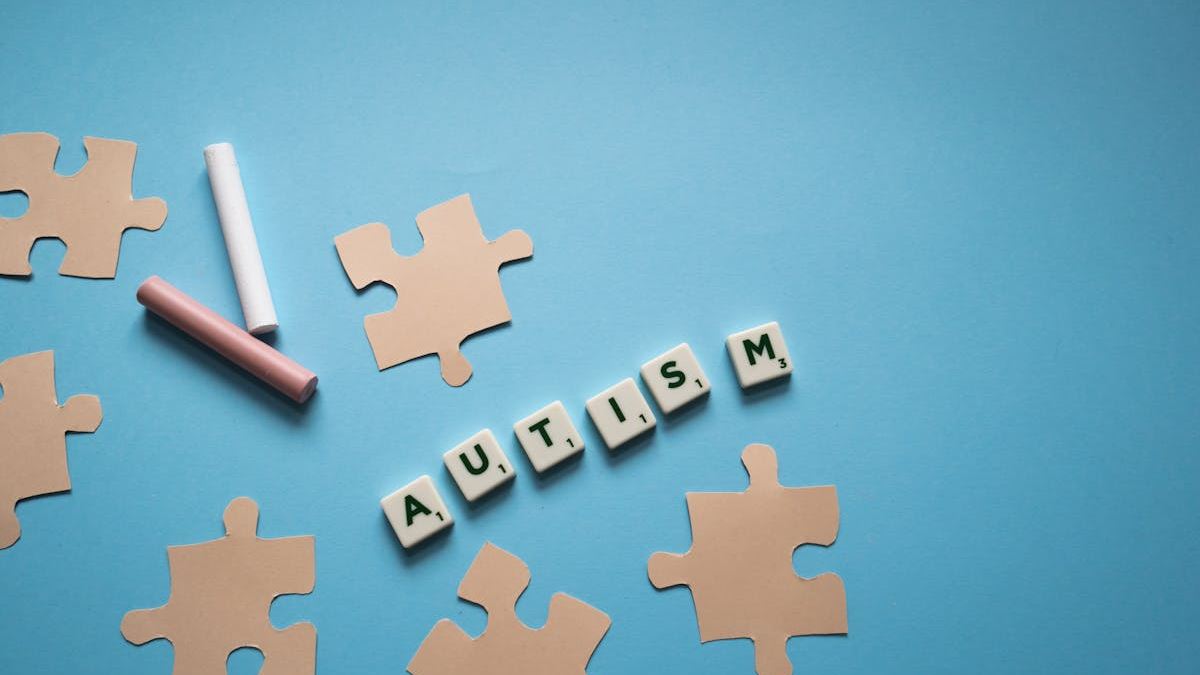
Understanding Autism Through the Autism Quiz: A Comprehensive Guide for Parents and Caregivers
Discover how autism quizzes can serve as an essential tool for early autism detection. This comprehensive guide helps parents and caregivers understand the purpose, benefits, and limitations of autism quizzes, emphasizing their role in promoting timely diagnosis and intervention for children on the spectrum.

Introduction to Autism and the Role of Autism Quizzes
Autism Spectrum Disorder (ASD) is a complex neurodevelopmental condition that affects communication, social interaction, and behavior. With increasing public awareness, many parents and caregivers seek accessible ways to understand whether their child might be on the autism spectrum. An autism quiz offers a preliminary step, providing insight into potential signs and symptoms. This guide explores the significance of autism quizzes, how they work, and how they can help inform next steps in diagnosis and intervention.
The Significance of Autism Quizzes in Early Detection
Early detection of autism is crucial for effective intervention and support. Autism quizzes serve as screening tools that can identify early signs of ASD, prompting timely consultations with healthcare professionals. They are designed to be user-friendly, often featuring simple questions about behaviors such as eye contact, language development, and social interactions.
How Does an Autism Quiz Work?
An autism quiz typically involves a series of targeted questions, developed by experts in developmental psychology and neurology. These questions are based on well-established diagnostic criteria outlined in the DSM-5. They focus on key areas such as communication skills, repetitive behaviors, sensory sensitivities, and social engagement.
Benefits of Using an Autism Quiz
Utilizing an autism quiz offers multiple benefits:
- Early Awareness: Enables parents to recognize potential signs sooner.
- Accessible: Easily available online, facilitating widespread access, especially in underserved communities.
- Guidance for Next Steps: Assists in deciding whether to seek a comprehensive evaluation from specialists.
Limitations and Considerations
While autism quizzes serve as valuable screening tools, they are not diagnostic instruments. They cannot replace professional assessments. False positives and negatives are possible, so results should always lead to consultations with healthcare professionals for definitive diagnosis and intervention planning.
Real-World Scenario: A Parent’s Journey
Consider Sarah, a mother concerned about her 2-year-old son’s development. She notices he avoids eye contact and exhibits repetitive behaviors. She takes an online autism quiz, which suggests possible signs of ASD. Sarah then schedules an appointment with a developmental pediatrician. The professional conducts a detailed assessment, confirming the diagnosis. Early intervention programs are initiated, significantly improving her son's communication and social skills.
Expert Commentary: The Importance of Inclusive Screening
Dr. John Smith, a clinical psychologist specializing in autism, emphasizes the importance of accessible screening. He states, "Autism quizzes empower parents to take proactive steps. When used appropriately, they are an essential part of early detection, especially when combined with professional evaluations."
Conclusion: Using Autism Quizzes as Part of a Broader Approach
In summary, an autism quiz is a practical first step for parents and caregivers seeking to understand potential signs of autism. While not a substitute for clinical diagnosis, they promote early awareness and prompt professional consultation. With continued research and accessible tools, we can foster a more inclusive environment for early autism detection and intervention.