Comprehensive Guide to Basement Water Damage Repair: Safeguarding Your Home from Water Intrusion
Learn essential strategies and expert insights on basement water damage repair to protect your home from future water intrusion. This comprehensive guide covers assessment, repair steps, waterproofing solutions, and prevention tips to ensure a safe, dry basement environment and long-term home safety.
Understanding Basement Water Damage and Its Impacts
Basement water damage is a common issue faced by homeowners across the United States, often resulting from leaks, flooding, or plumbing failures. Left unaddressed, water intrusion can lead to structural deterioration, mold growth, and significant financial costs. Recognizing the signs of water damage early and understanding its causes are crucial initial steps in the repair process. Expert professionals emphasize that thorough assessment is essential to develop an effective repair strategy that restores safety and functionality to your basement.
Assessing the Extent of Water Damage in Your Basement
Before beginning any repair, it's vital to evaluate the severity of water intrusion. This includes inspecting for visible signs such as staining, warping, or mold, as well as hidden problems like weakened foundation walls and saturated insulation. Professional basement water damage repair specialists often employ advanced tools such as moisture meters and infrared cameras to detect moisture pockets unseen to the naked eye. Accurate assessment ensures a tailored repair plan and helps prevent future issues.
Step-by-Step Basement Water Damage Repair Process
1. Water Removal and Drying
The first step is to remove standing water using pumps and wet vacuums. Following water extraction, professional-grade industrial dehumidifiers and fans are used to thoroughly dry out the space. Proper drying not only reduces immediate damage but also prevents mold growth and structural deterioration.
2. Mold Remediation and Cleaning
Water damage often breeds mold, which poses health risks. Expert remediation involves cleaning affected surfaces with antimicrobial solutions and removing porous materials such as carpet padding or drywall that have sustained extensive damage. The focus is on eliminating mold spores and restoring a healthy indoor environment.
3. Repairing Structural Damage
Structural repair may include replacing compromised drywall, reinforcing damaged foundation walls, and repairing cracked or buckling floors. Precision is key—improper repairs can lead to recurring issues. Professionals utilize high-quality materials and techniques, ensuring your basement's integrity is restored and protected from future water ingress.
4. Waterproofing and Prevention Measures
Post-repair, implementing waterproofing solutions like basement sealants, exterior drainage systems, and sump pumps provides long-term protection. Regular maintenance, including gutter cleaning and landscape grading, helps divert water away from your home. These proactive steps are essential for comprehensive basement water damage repair and prevention.
Choosing the Right Professionals for Basement Water Damage Repair
Selecting experienced contractors ensures quality results. Look for certifications from industry organizations like the Institute of Inspection, Cleaning and Restoration Certification (IICRC). References and reviews can also guide your decision. A reputable contractor will perform a detailed inspection, explain repair options, and provide transparent estimates, giving you confidence in the project's success.
Cost Considerations and Insurance Coverage
The cost of basement water damage repair varies based on damage extent, materials needed, and labor. Typically, repairs can range from a few thousand dollars for minor issues to tens of thousands for extensive damage. Homeowners should review their insurance policies to understand coverage for water damage repairs, and work with insurance adjusters to maximize their benefits. Preventative measures, albeit an upfront investment, can reduce long-term costs significantly.
Real-World Scenarios and Case Studies
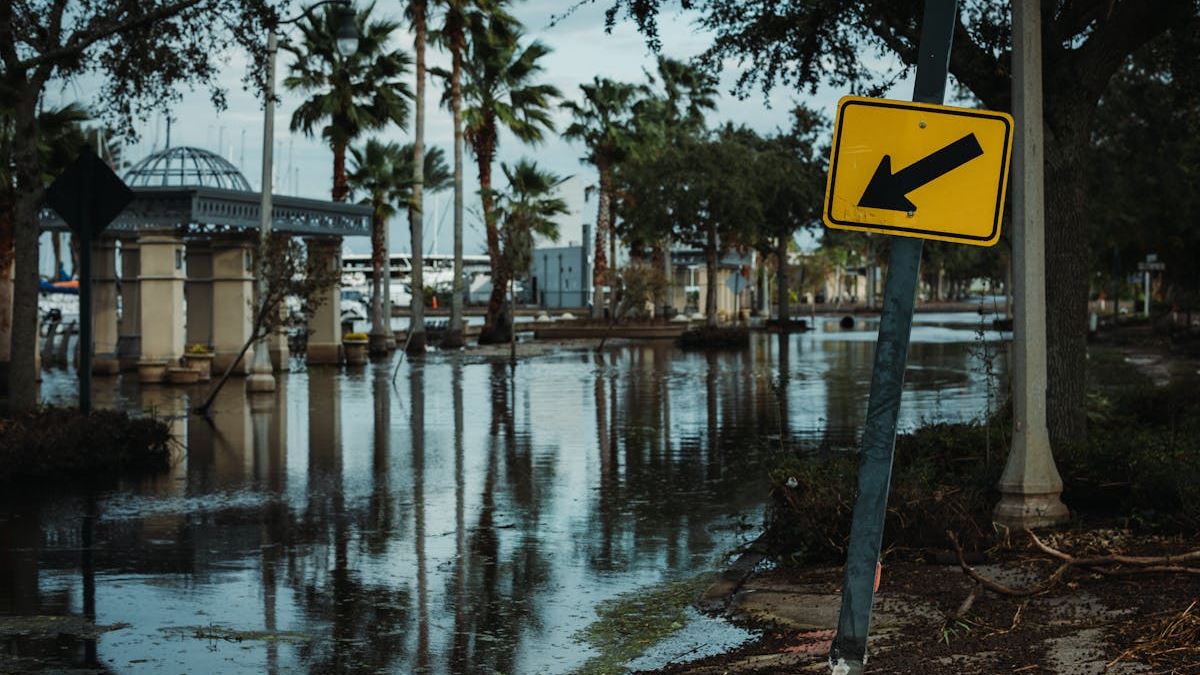
Consider the case of a homeowner in Florida who experienced frequent basement flooding due to poor drainage. After professional assessment and repair, including installing an exterior sump pump and sealing foundation cracks, water intrusion was effectively eliminated. This scenario highlights the importance of tailored solutions based on specific regional and structural factors. In another case, a family in California benefited from mold remediation and structural reinforcement after a pipe burst led to water damage. These real-world examples underscore that comprehensive basement water damage repair requires expert intervention and customized planning.
Maintaining a Dry and Healthy Basement Environment
Prevention is better than cure. Regularly inspecting your basement, cleaning gutters, ensuring proper grading, and maintaining sump pump functionality are proactive practices. A well-maintained basement not only avoids water damage but also preserves property value and ensures a healthy living environment. Consider installing sensors for early leak detection, and keep an emergency kit ready for unforeseen flooding events.
Conclusion: The Importance of Prompt and Professional Basement Water Damage Repair
Addressing basement water damage promptly with expert repair services is vital to safeguarding your property and health. A comprehensive approach—from assessment to waterproofing—can prevent future issues and extend the lifespan of your home. Remember, investing in qualified professionals ensures thorough repairs and peace of mind, making your basement a safe and functional space once again.