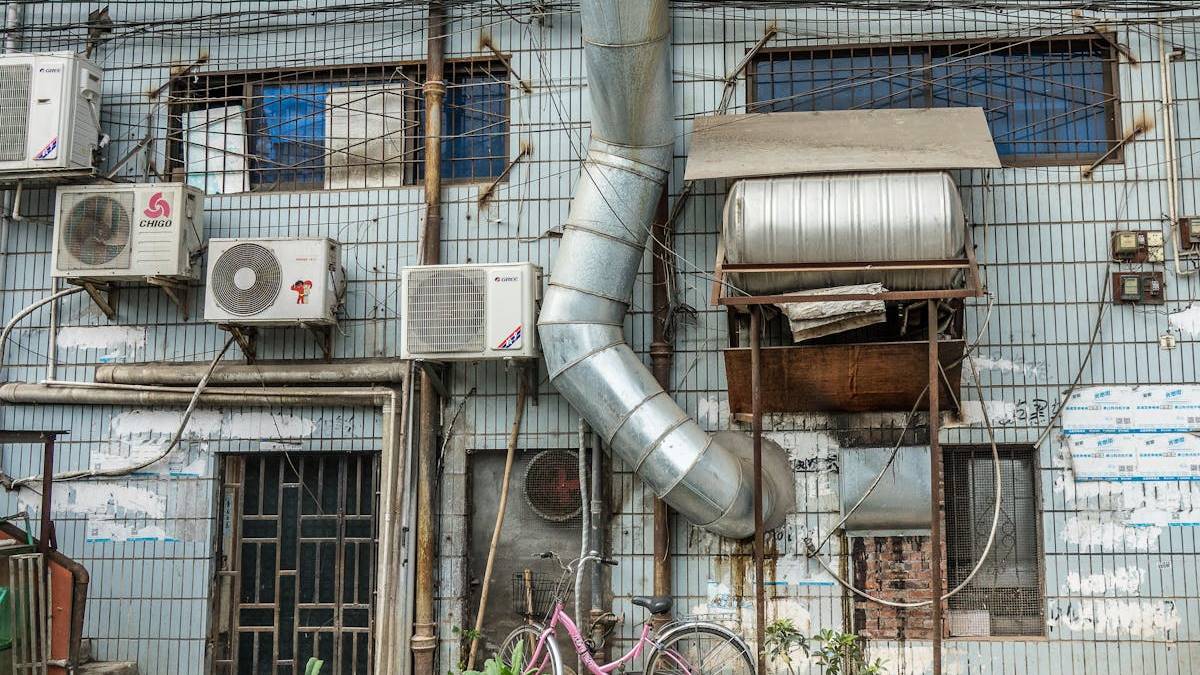
The Essential Role of Professional HVAC Technicians in Ensuring Comfort and Safety
Discover the vital role of professional HVAC technicians in maintaining safe, efficient, and comfortable indoor environments across the United States. Learn about their responsibilities, certification importance, real-world scenarios, and tips for choosing the right expert to ensure your heating and cooling systems operate flawlessly.
Introduction: The Backbone of Indoor Climate Control
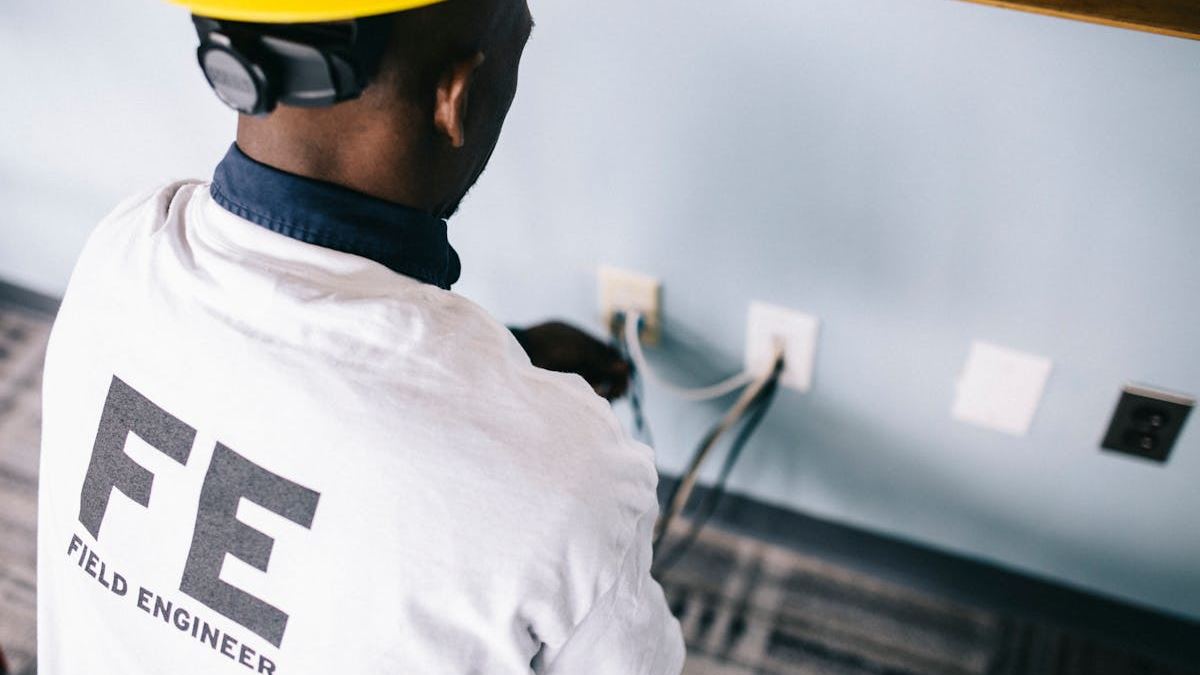
In the United States, the comfort and safety of a building's interior largely depend on the expertise of professional HVAC technicians. These skilled professionals are vital in designing, installing, repairing, and maintaining heating, ventilation, and air conditioning systems that keep homes and businesses comfortable year-round. Their technical prowess and commitment to safety ensure that indoor environments remain healthy, energy-efficient, and reliable.
The Role and Responsibilities of Professional HVAC Technicians
Expertise in System Installation and Repair
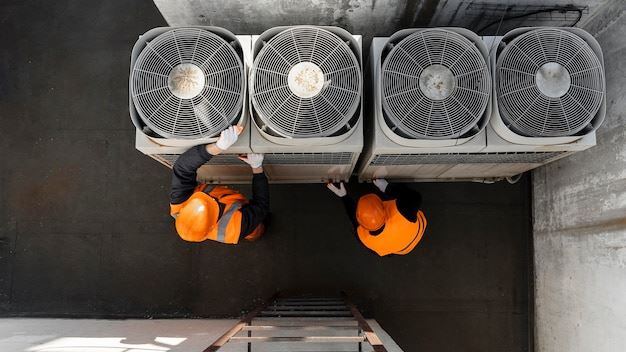
Proper installation is the foundation of a reliable HVAC system. Professional HVAC technicians meticulously assess a property’s heating and cooling needs, select suitable equipment, and ensure precise installation adhering to safety standards. When systems malfunction, these technicians diagnose issues using advanced tools and restore optimal functionality efficiently. Their expertise reduces future breakdowns and prolongs equipment lifespan.
Maintenance and System Optimization
Preventative maintenance is crucial in avoiding costly repairs and ensuring energy efficiency. Technicians conduct routine inspections, clean components, and replace filters to maintain system performance. Their deep knowledge allows them to fine-tune HVAC units, optimizing indoor air quality and energy consumption while extending system longevity.
Ensuring Safety and Compliance
HVAC systems involve electrical, gas, and refrigerant components, making safety paramount. Professional HVAC technicians stay updated with evolving regulations, such as EPA refrigerant handling standards and local building codes. They perform safety checks, leak detection, and proper refrigerant disposal, protecting occupants and the environment.
The Importance of Certification and Licensing
In the U.S., reputable HVAC technicians possess professional certifications such as NATE, EPA 608, and state licenses. These credentials demonstrate their technical competence and commitment to safety standards. Certification ensures that technicians are knowledgeable about the latest technologies and regulations, providing peace of mind to consumers.
Real-World Scenarios Highlighting Professionalism
Imagine a Florida homeowner facing relentless heat during summer. A professional HVAC technician promptly diagnoses a failing compressor, recommends a new unit, and ensures seamless installation, restoring comfort within hours. Similarly, a commercial building in New York needs a complex ventilation upgrade to meet new safety standards. Skilled technicians design and execute a project that minimizes downtime and maximizes indoor air quality.
Choosing the Right HVAC Technician: Tips for Consumers
Verify Credentials and Experience
Always check for valid licenses and certifications. Experienced technicians are more likely to offer reliable service and sound advice tailored to your needs.
Request References and Reviews
Online reviews and references provide insights into a technician’s reputation, professionalism, and quality of work. Seek recommendations from trusted sources.
Discuss Pricing and Warranties
Get detailed quotes and clarify warranty coverage for parts and labor. Transparent pricing reflects integrity and professionalism.
Future Trends and Innovations in HVAC Technology
The field of HVAC is evolving rapidly with smart thermostats, energy-efficient systems, and IoT integration. Professional HVAC technicians must stay current through ongoing training to install and maintain these advanced systems effectively. Embracing innovation enhances system performance, reduces environmental impact, and meets consumer expectations for smart living.
Conclusion: Investing in Certification and Expertise for Long-term Comfort
Trusting professional HVAC technicians guarantees not only year-round comfort but also safety and efficiency. Their specialized skills, commitment to safety, and adherence to evolving standards make them indispensable for homes and businesses across the U.S. Investing in qualified professionals ensures peace of mind and a healthier indoor environment for years to come.