The Ultimate Guide to the Best Way Clean Mildew: Expert Strategies for a Safer, Cleaner Home
Discover the best way clean mildew with comprehensive strategies, including natural remedies and commercial cleaners. This guide offers expert tips for safe removal, prevention, and maintaining a healthy home environment. Perfect for homeowners seeking reliable solutions to combat mold and ensure lasting cleanliness.

Understanding Mildew and Its Impact
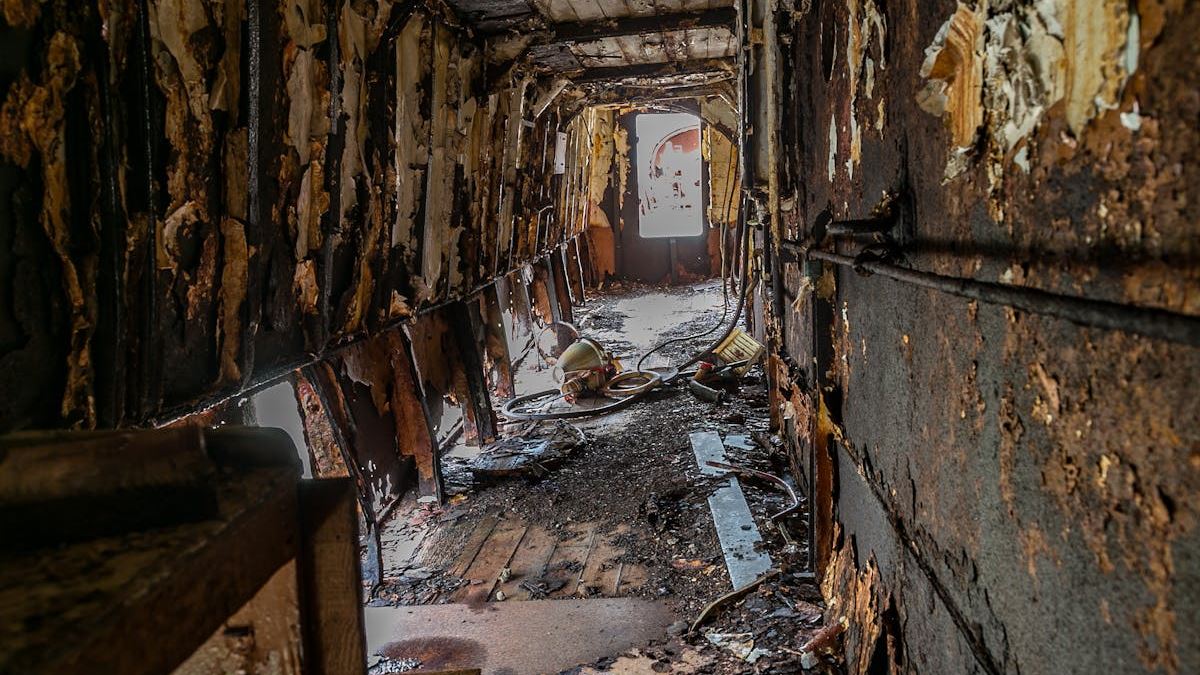
Mildew is a type of fungus that thrives in damp, humid environments. It often appears as a black, green, or white film on surfaces such as walls, ceilings, showers, and bathrooms. While common, mildew can pose significant health risks, including respiratory issues, allergies, and even asthma attacks. Understanding the sources of mildew and its effects is the first step toward effective removal and prevention.
Preparing for Mildew Cleanup: Essential Supplies and Safety Measures
Before tackling mildew, gather your supplies: rubber gloves, goggles, a mask, cleaning brushes, microfiber cloths, and various cleaning agents. Safety is paramount, especially when dealing with mold spores that can become airborne. Ensure proper ventilation in the area, open windows, and use fans if necessary. Proper preparation not only improves cleaning effectiveness but also protects your health during the process.
Top Strategies for the Best Way Clean Mildew
1. Natural Remedies: Vinegar and Baking Soda
Vinegar is an effective natural fungicide. Pour undiluted white vinegar into a spray bottle and apply to mildew-affected areas. Let it sit for at least an hour before scrubbing. Baking soda, mixed with water, creates a paste that can be applied to stubborn spots, helping to lift mildew without harsh chemicals. These methods are environmentally friendly and safe for families and pets.
2. Commercial Mildew Cleaners
There are many commercial products designed specifically for mildew removal. Look for ones containing bleach or EPA-approved moldicides. Follow the manufacturer’s instructions carefully. These cleaners often provide quick results, especially on heavily infested surfaces, but should be used with proper ventilation and protective gear to avoid irritation.
3. Handling Difficult Areas and Surfaces
Some surfaces, such as textured walls or porous materials like drywall, require special attention. Use brushes with firm bristles to scrub. For porous materials, consider replacing heavily infested sections, since cleaning may not completely eradicate mildew. Applying a sealant after cleaning can prevent future growth.
Preventing Future Mildew Growth
Prevention is key to maintaining a mildew-free home. Use dehumidifiers and improve ventilation in high-humidity areas. Regularly inspect hidden spots such as behind appliances or inside closets. Fix leaks promptly and clean surfaces regularly with mildew-resistant solutions. These proactive measures significantly reduce the likelihood of mildew recurrence.
Expert Tips and Common Mistakes to Avoid
Consulting with mold remediation experts can provide tailored solutions for severe infestations. Avoid mixing cleaning agents like bleach and ammonia, which release dangerous fumes. Do not ignore hidden mold behind walls or under flooring; professional inspection may be necessary. Proper disposal of contaminated materials helps prevent spores from spreading.
Conclusion: Achieving a Clean, Healthy Home Environment
Knowing the best way clean mildew involves understanding the source, using safe and effective cleaning methods, and implementing prevention strategies. By following these expert-backed approaches, homeowners can ensure a healthier living space, free from mold-related health risks. Consistency in maintenance and prompt action are vital for ongoing mildew control.