Understanding Concussion: A Comprehensive Guide to Prevention, Recognition, and Recovery
November. 30,2025
Explore a comprehensive guide on concussion, covering causes, symptoms, prevention tips, diagnosis, and recovery strategies. Learn how to protect yourself and loved ones from this common traumatic brain injury with expert insights and real-world scenarios.
Introduction to Concussion
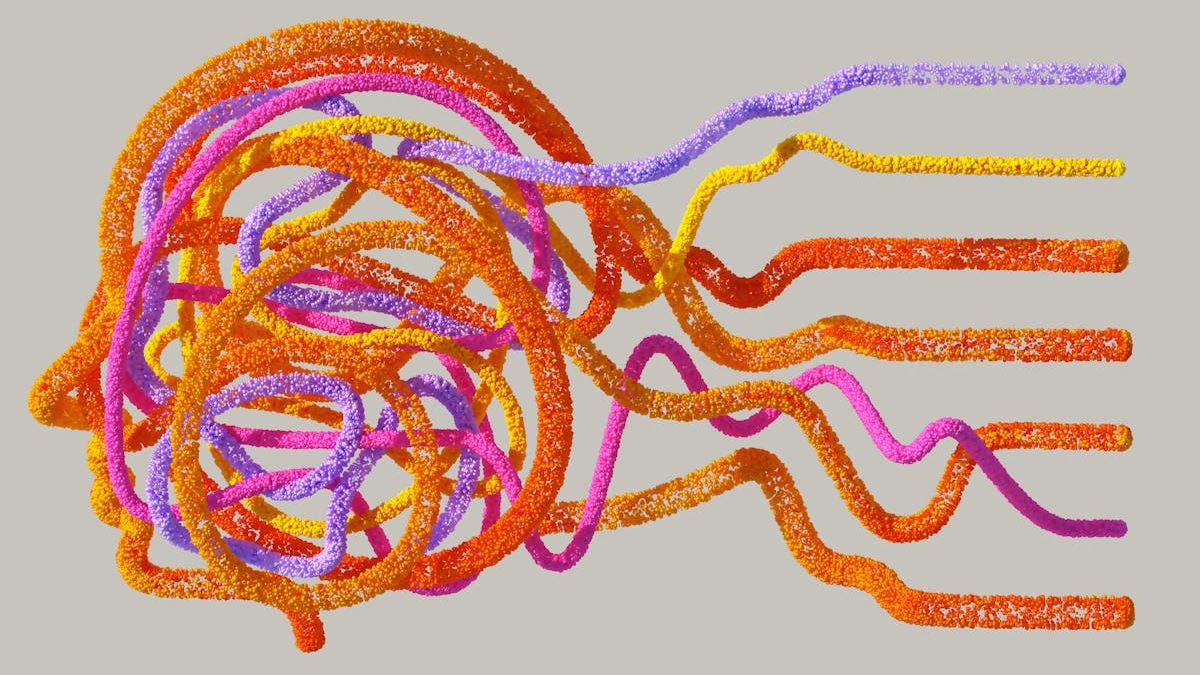
Concussion is a form of traumatic brain injury (TBI) caused by a blow, bump, or jolt to the head or body that causes the brain to move rapidly back and forth within the skull. This sudden movement can result in chemical changes in the brain and stretching or damaging of brain cells.
The Science Behind Concussion
Understanding how a concussion affects the brain requires insight into its biological mechanisms. When the brain experiences a sudden impact, it may cause neuronal stretching, increased intracranial pressure, and alterations in neurotransmitter levels. These changes can impair brain function temporarily or, in severe cases, lead to long-term neurological issues.
Recognizing the Symptoms
Early recognition of concussion symptoms is crucial to prevent further injury. Common signs include headache, confusion, dizziness, nausea, sensitivity to light or noise, and balance problems. Some individuals, especially children and athletes, may be less able to articulate their symptoms, which underscores the importance of vigilant observation.
Real-World Scenarios
Consider a football player who tackles an opponent and immediately feels dazed, suffering from blurred vision and a headache. Without proper evaluation and rest, this concussion could worsen, leading to severe complications like second-impact syndrome. Such scenarios emphasize the need for immediate medical assessment following head injuries.
Preventive Measures
Prevention starts with education and protective gear. Helmets designed for sports can reduce the risk, though not eliminate it completely. Educating athletes, parents, coaches, and caregivers about safe practices, such as proper techniques and recognizing early signs of concussion, is vital.
Diagnosis and Medical Evaluation
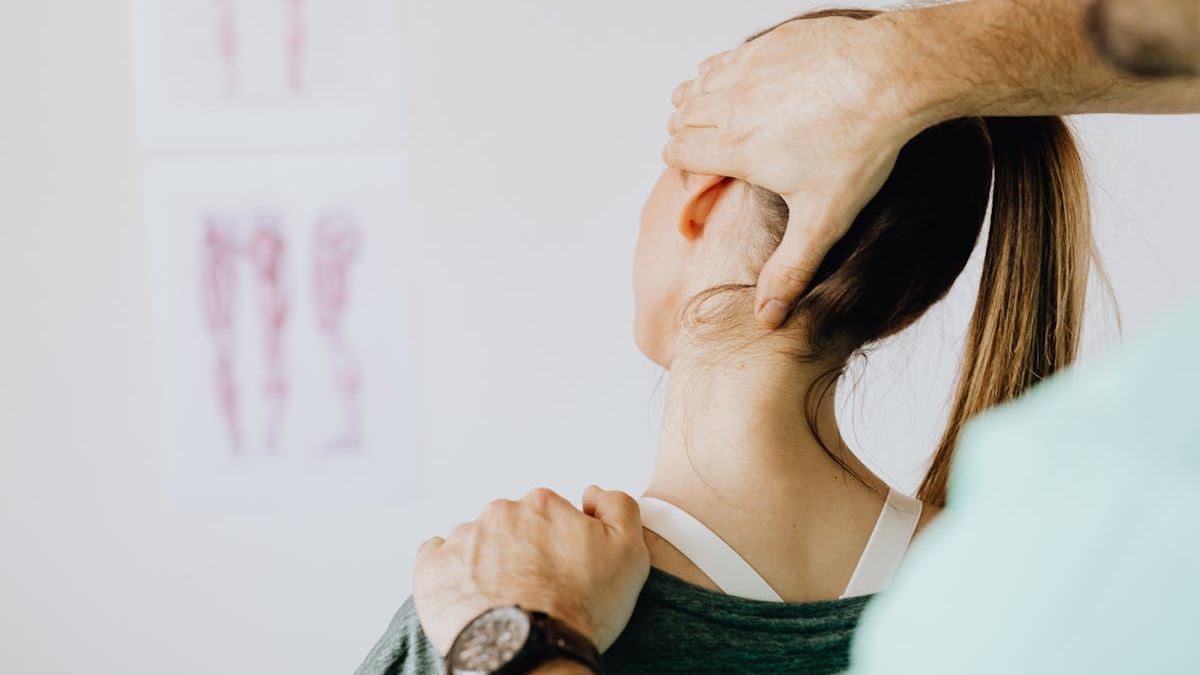
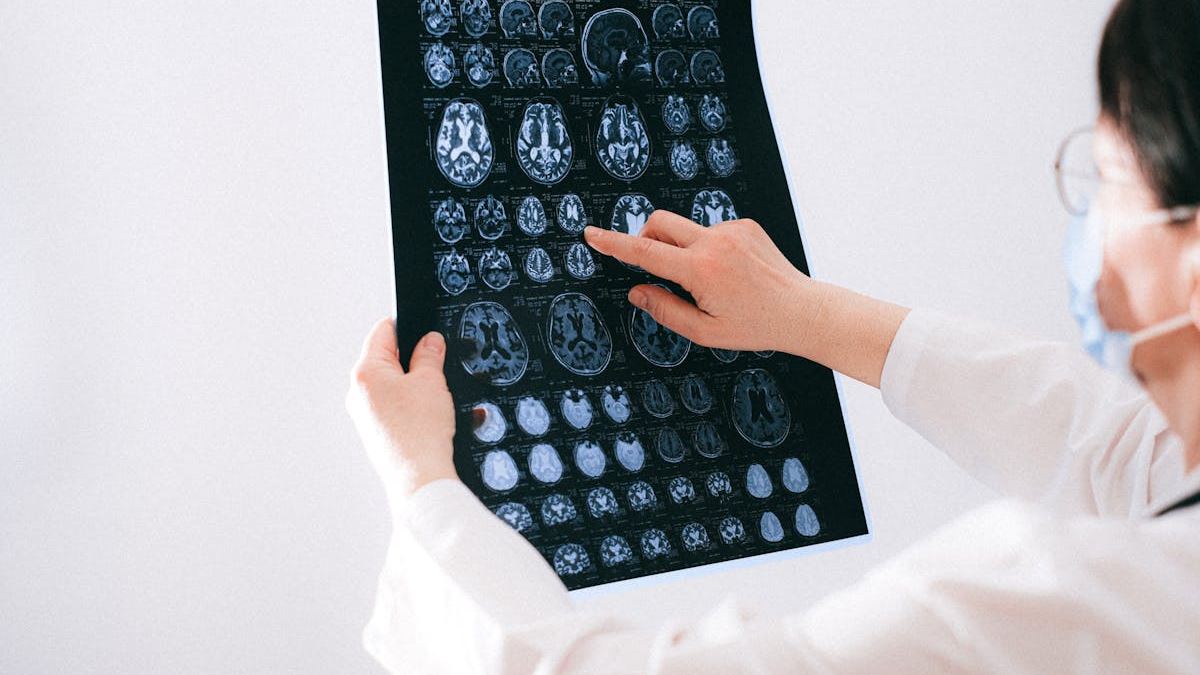
Accurate diagnosis involves clinical assessment, neurological exams, and imaging tests like CT scans or MRIs when necessary. Healthcare professionals assess the severity, monitor symptoms, and develop a tailored recovery plan.
Recovery and Management
Most concussions heal with rest and gradual return to normal activities. A management plan includes cognitive and physical rest, avoiding screens and strenuous activity until symptoms resolve. In some cases, specialized therapies may be needed for persistent issues.
Long-Term Impact and Risks
Repeated concussions can lead to chronic traumatic encephalopathy (CTE), a degenerative brain condition. Early intervention, proper management, and prevention are key to minimizing long-term risks.
Expert Opinions and Recommendations
Leading neurologists emphasize the importance of awareness and early treatment. Dr. Jane Smith, a neurotrauma specialist, states, "Timely recognition and management of concussion are critical to avoiding permanent neurological damage."
Conclusion
Understanding concussion is essential for everyone, from athletes to parents, educators, and healthcare providers. Through education, prevention, prompt recognition, and proper management, we can reduce the impact of this common yet serious injury, ensuring safer environments for all.