Comprehensive Guide to Medical Alert Systems: Empowering Seniors and Their Families
Discover how medical alert systems enhance senior safety and independence. Learn about different types, real-world scenarios, and tips for selecting the best system to ensure peace of mind for your loved ones.

Understanding Medical Alert Systems: A Lifeline for the Elderly
As the population ages, ensuring the safety and independence of seniors becomes a top priority for families and caregivers. Medical alert systems have emerged as vital tools that provide immediate assistance during emergencies. These systems serve as a lifeline, offering peace of mind and proactive safety measures for individuals living alone or with health conditions.
The Different Types of Medical Alert Systems and Their Features
In-Home Medical Alert Systems
These systems are installed within the residence and are designed for seniors who predominantly stay at home. They typically include a base station connected to a landline or internet, with wearable alert buttons or pendant devices. When activated, they connect to a monitoring center where trained operators assess the emergency and dispatch help.
Mobile and GPS-Enabled Medical Alert Systems
Designed for active seniors, these portable devices allow users to summon help from anywhere, whether at a park, grocery store, or traveling. GPS technology ensures precise location tracking, which is critical during emergencies in unfamiliar settings or outdoors.
Real-World Scenarios: How Medical Alert Systems Save Lives
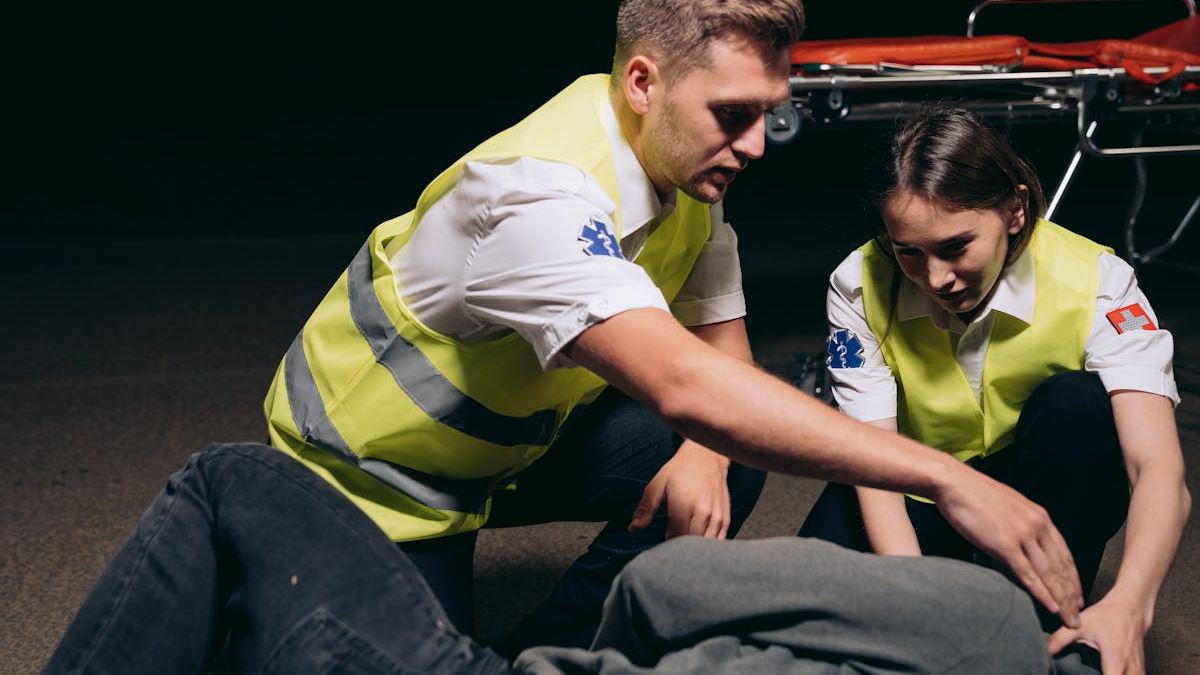
Imagine a senior homeowner experiencing a fall in the bathroom. By simply pressing a wristband button, emergency services are alerted immediately, and help arrives within minutes. Consider another case where an elderly person goes for a walk and gets lost; a GPS-enabled system helps locate and rescue them quickly. These scenarios highlight the importance of medical alert systems in reducing response times and preventing severe outcomes.
Key Considerations When Choosing a Medical Alert System
- Coverage and Range: In-home systems offer limited range, whereas mobile devices provide broader coverage, including GPS support.
- Monitoring Service: 24/7 professional monitoring ensures help is always available, but some systems offer self-monitoring options at a lower cost.
- Cost and Subscription Plans: Prices vary based on features, with monthly subscriptions ranging from affordable to premium packages.
- Additional Features: Some devices include fall detection, medication reminders, and voice-activated communication.
Expert Insights: Choosing the Right Medical Alert System
Healthcare professionals emphasize that selecting an appropriate medical alert system should be tailored to the individual's health needs, lifestyle, and living situation. A comprehensive assessment by specialists can help determine which features are essential, ensuring optimal safety and independence.
Conclusion: Investing in Safety and Independence
In today's world, medical alert systems are more than mere gadgets; they are essential safety tools that empower seniors to live confidently and with dignity. By understanding the different types and features, families can make informed decisions, fostering a safer environment for their loved ones.