Top 10 Plants that Repel Mosquitoes: Your Ultimate Guide to a Pest-Free Garden
November. 25,2025
Discover the top 10 plants that repel mosquitoes naturally, creating a safer and more pleasant outdoor environment. This comprehensive guide offers expert insights and practical tips on selecting and planting these effective, aromatic plants to keep pests at bay.

Introduction: Creating a Mosquito-Free Haven
This comprehensive guide explores the top 10 plants that repel mosquitoes, offering natural solutions to protect your family and enhance your outdoor living spaces. In the face of rising concerns about chemical repellents, many homeowners are turning to nature-inspired strategies. By understanding which plants can naturally deter mosquitoes, you can create a lush, beautiful environment that is both inviting and safe.
Understanding Mosquito Behavior and Plant-Based Repellents
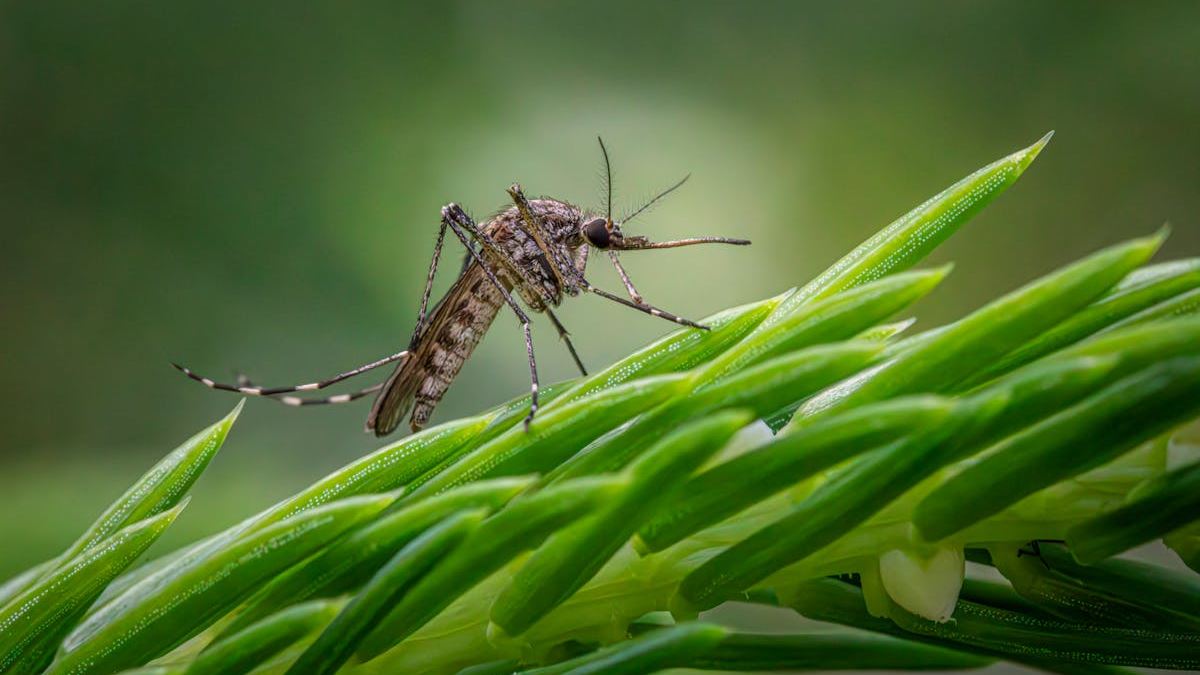
Mosquitoes are attracted to carbon dioxide, body heat, and certain scent profiles. Interestingly, some plants emit odor compounds that mask these attractants or produce repellant substances that disrupt mosquito sensory mechanisms. This section delves into how these plants work and what makes them effective.
Criteria for Choosing Top Mosquito-Repelling Plants
When selecting plants to repel mosquitoes, consider factors such as native adaptability, maintenance needs, aesthetic appeal, and the specific compounds they release. Expert horticulturists recommend choosing plants that thrive in your region to ensure longevity and effectiveness.
The Top 10 Plants that Repel Mosquitoes
1. Citronella
Citronella is renowned worldwide for its strong lemon scent that mosquitoes find offensive. It’s often used in candles and oils, but planting citronella grass directly in your yard offers a continuous natural barrier. This hardy perennial requires full sun and well-drained soil, making it ideal for many U.S. gardens.
2. Lemon Balm
With its fragrant leaves emitting a lemon scent, lemon balm is both a culinary herb and a natural mosquito deterrent. It grows vigorously, attracts pollinators, and can be planted in containers or garden beds. Its essential oils can also be extracted for homemade repellents.
3. Lavender
Lavender’s pleasant aroma not only soothes humans but also repels mosquitoes. Its purple blooms add visual appeal to gardens. Lavender thrives in full sun with well-drained soil and attracts beneficial pollinators like bees and butterflies, offering dual benefits.
4. Basil
Great for culinary purposes, basil also keeps mosquitoes at bay. Particularly, varieties like lemon basil and cinnamon basil produce strong scents effective against pests. Grow basil in pots or garden beds near seating areas for maximum protection.
5. Peppermint
Peppermint’s invigorating aroma is a natural fungicide and mosquito deterrent. Its fast-growing nature makes it suitable for container planting, preventing it from spreading uncontrollably. Use crushed leaves or essential oils to reinforce its protective qualities.
6. Marigolds
Bright and cheerful, marigolds contain pyrethrum compounds that repel mosquitoes and other insects. They are easy to grow, require minimal maintenance, and can be planted along borders and walkways.
7. Lemon Verbena
Lemon verbena emits a citrus scent highly unattractive to mosquitoes. Additionally, it has a pleasant fragrance for humans and is used in teas and perfumes. It prefers full sun and well-drained soils, thriving in warmer climates.
8. Rosemary
This aromatic herb not only flavors your dishes but also acts as a natural repellent. Its woody scent is disliked by mosquitoes, making it ideal for herb gardens near outdoor sitting areas.
9. Pitcher Plant (Sarracenia purpurea)
A carnivorous plant, pitcher plants attract and trap mosquitoes, reducing their population locally. This dual benefit makes it suitable for bog gardens or moist areas where mosquitoes breed.
10. Geraniums
Some geranium varieties, especially scented ones like scented geraniums, emit oils that repel mosquitoes. Their vibrant flowers also add aesthetic appeal to patios and balconies.
Practical Tips for Integrating Top Mosquito-Repelling Plants
Learn how to design your outdoor space by positioning these plants around seating areas, windows, and entry points. Companion planting with herbs and flowers enhances the barrier effect. Using containers allows flexibility and mobility, especially in cooler months or for targeted protection.
Expert Insights and Real-World Applications
Horticulturists and pest control experts emphasize the importance of combining multiple plants for maximal effectiveness. Real homeowners have reported significant reductions in mosquito activity by integrating these top 10 plants that repel mosquitoes into their gardens and patios.
Conclusion: Natural Solutions for a Pleasant Outdoor Experience
Embracing the top 10 plants that repel mosquitoes offers an eco-friendly and safe method to enjoy your outdoor living spaces. With proper planting and placement, you can significantly reduce mosquito nuisance and create a serene retreat free from unwelcome bites.