Comprehensive Guide to Stimulus Check Requirements in the United States
This comprehensive article explores the detailed stimulus check requirements in the United States, including income thresholds, filing status, citizenship, and unique circumstances. It provides a narrative-driven guide, including real-world scenarios, expert insights, and procedural tips to help Americans understand their eligibility and successfully navigate the process of receiving stimulus payments, ensuring they don't miss out on essential relief during challenging times.
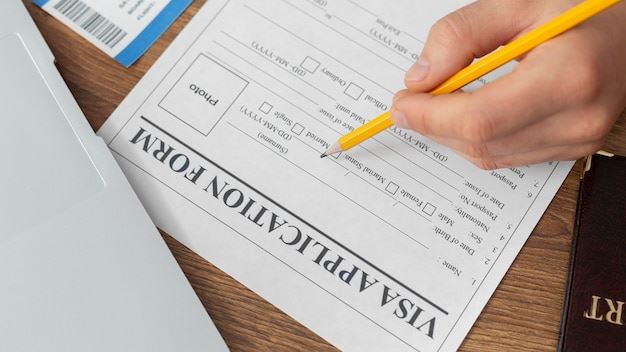
Understanding Stimulus Check Requirements in the United States
The COVID-19 pandemic brought unprecedented economic challenges to millions of Americans, prompting the government to introduce stimulus payments as a vital relief measure. To ensure the fair distribution of these funds, specific stimulus check requirements were established. This comprehensive guide explores what it takes to qualify, considering various factors such as income, filing status, and individual circumstances.
Eligibility Criteria for Stimulus Checks
Income Thresholds
One of the primary stimulus check requirements revolves around income limits. Based on adjusted gross income (AGI) from recent tax returns, individuals and families with income below certain thresholds qualify for full or partial payments. For example, during the first round of stimulus payments, single filers earning less than $75,000 and married couples earning less than $150,000 were eligible for full payments. These thresholds have shifted across various stimulus packages, sometimes adjusting for inflation or economic conditions.
Filing Status and Dependents
Filing status plays a crucial role—whether you are filing as single, married filing jointly, head of household, or qualifying widow(er). Additionally, having dependents affects the amount received; the more dependents you have, the higher the total stimulus benefit you are eligible for, up to a maximum limit set by the IRS. Have you recently gained a dependent or changed your filing status? Such changes can impact your stimulus check eligibility.
Citizenship and Residency Requirements
Stimulus check requirements also include citizenship status. Generally, eligible recipients must be U.S. citizens, permanent residents, or certain qualifying non-citizens who have a valid Social Security number. Non-residents or individuals with expired visas typically do not qualify for stimulus payments.
Filing and Tax Return Submission
To qualify, eligible Americans must file their taxes or provide information via the IRS non-filer portal if they didn't file taxes for the relevant year. Timely submission of tax returns ensures accurate processing and receipt of stimulus checks. Missing or delayed filings can result in processing delays or denial.
Special Circumstances Impacting Stimulus Check Requirements
Students, Seniors, and People with Disabilities
Students and seniors often face unique challenges. While most qualify based on income, specific exemptions or additional criteria may apply, especially if they have no income or are dependents of someone else. People with disabilities might qualify through their Supplemental Security Income (SSI) benefits, which the IRS uses to determine eligibility without requiring them to file taxes.
Recent Life Events and Changes
Major life changes like marriage, divorce, job loss, or having a child can influence your stimulus check requirements. Staying updated with IRS guidance helps in understanding how these changes affect your eligibility and the amount you might receive.
The Process of Confirming Eligibility
The IRS employs various data sources, including tax filings and Social Security records, to verify your eligibility. Additionally, individuals can check their stimulus payment status through the IRS Get My Payment tool. This process helps prevent fraud, ensuring that only qualified individuals receive the funds.
Frequently Asked Questions about Stimulus Check Requirements
How do I know if I qualify for the latest stimulus check?
The IRS provides online tools and guidelines to help individuals determine their eligibility based on recent legislation, income, and filing status. Checking your status regularly ensures you stay informed about your eligibility and payment status.
What if I missed the deadline to file?
If you missed the filing deadline, you can still file late tax returns or update your information with the IRS. While this may delay your payment, it can still help you receive any stimulus funds owed to you.
Can I claim a stimulus check if I didn't file taxes?
Yes, the IRS introduced non-filer tools allowing individuals who didn’t file taxes to claim their stimulus payments. This process typically involves submitting specific information about yourself and dependents online.
Expert Opinions and Future Outlook
Economic experts emphasize that understanding stimulus check requirements is essential for maximizing relief benefits. As legislative bodies consider future stimulus measures, staying informed about eligibility and application processes remains crucial for citizens seeking financial support.