The Ultimate Guide to Small Dog Breeds in the United States: Choosing the Perfect Companion
Explore the ultimate guide to small dog breeds in the United States, covering their characteristics, care needs, and matching breeds with different lifestyles. Empower yourself with expert advice and real-world stories to find your perfect canine companion.

Introduction to Small Dog Breeds
Small dog breeds have gained immense popularity across the United States for their adaptability, charming personalities, and suitability for various lifestyles. Whether you live in an apartment, have a busy schedule, or seek a loyal companion, understanding the nuances of small dog breeds can help you make an informed decision. In this comprehensive guide, we explore key aspects of small dog breeds, from their characteristics and care needs to selecting the right breed for your lifestyle.
Understanding the Characteristics of Small Dog Breeds
Physical Attributes and Temperament
Small dog breeds typically weigh under 25 pounds, with some breeds, like the Chihuahua, tipping the scales even lower. Despite their petite size, they possess diverse temperaments—ranging from energetic and playful to calm and affectionate. Experts note that small dog breeds often exhibit heightened alertness, making them excellent watchdogs despite their size.
Health Considerations
Owning small dog breeds requires awareness of specific health issues such as dental problems, patellar luxation, and respiratory concerns. Regular veterinary checkups, a balanced diet, and appropriate exercise are essential to ensure these tiny companions stay healthy. Pet owners should also be prepared for potentially higher veterinary costs due to breed-specific health issues.
Choosing the Right Small Dog Breed for Your Lifestyle
Living Environment
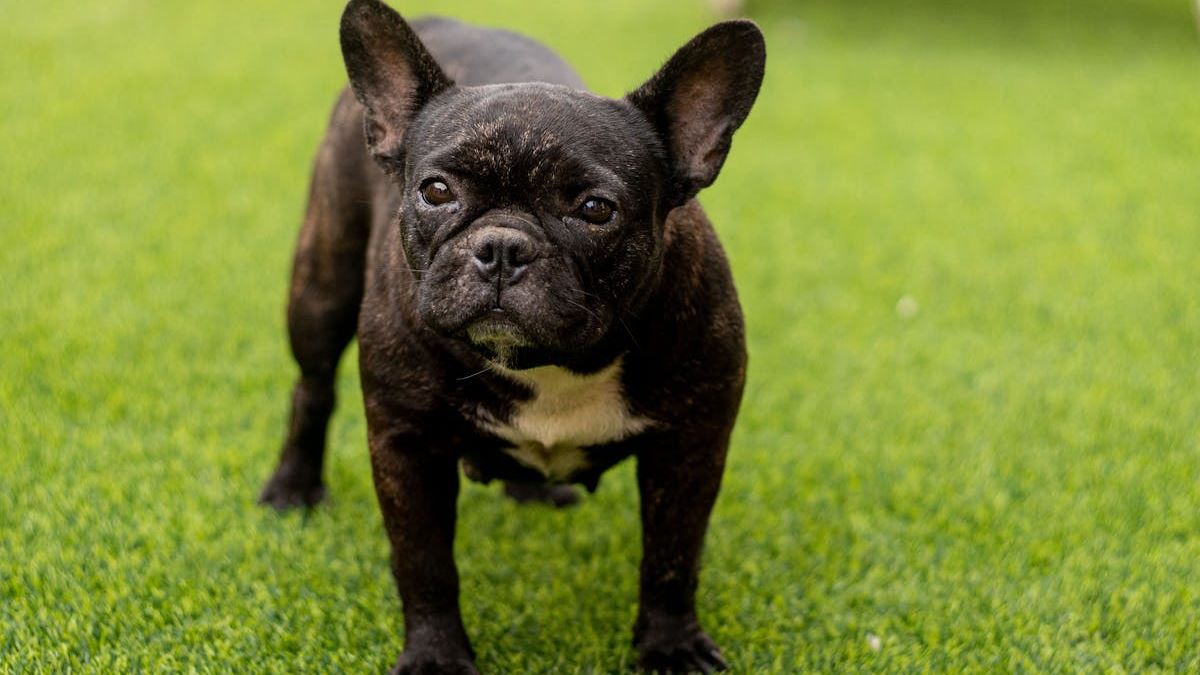
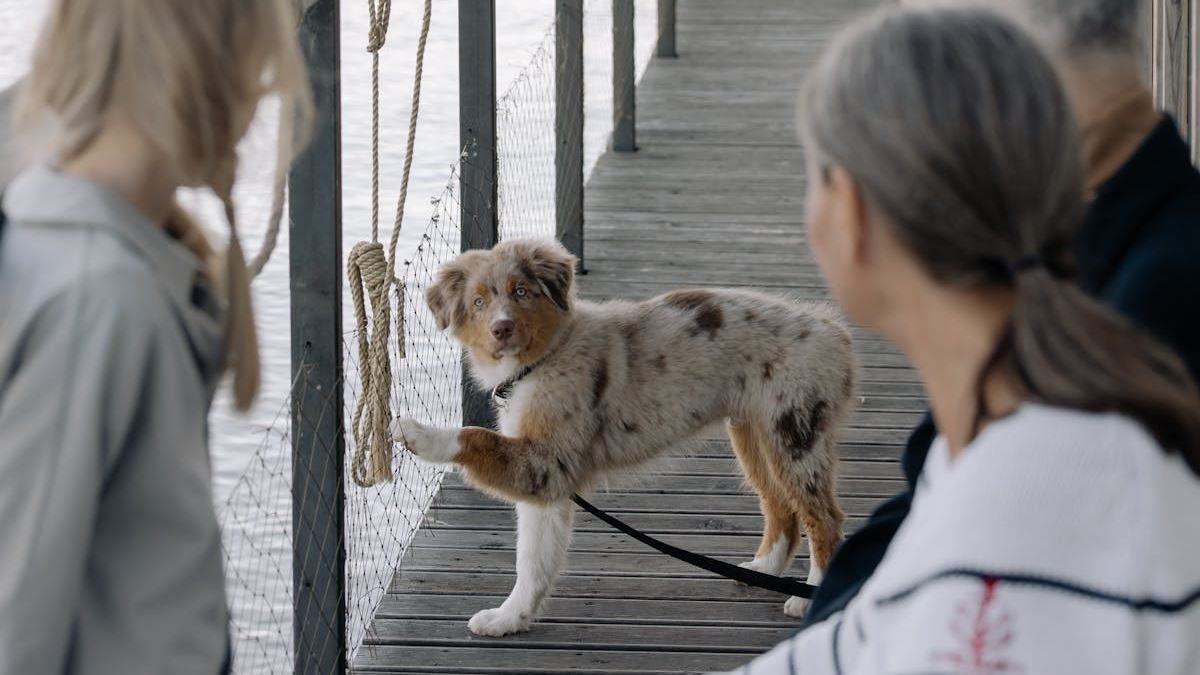
If you reside in an apartment or urban setting, breeds like the French Bulldog or the Pomeranian are ideal due to their adaptability and lower energy levels. On the other hand, active individuals might prefer the Jack Russell Terrier or Miniature Australian Shepherd, which require more exercise and mental stimulation.
Family Dynamics and Daily Routine
Families with children might find breeds like the Cavalier King Charles Spaniel or the Bichon Frise to be gentle and patient. Singles and seniors often prefer the companionship of a Dachshund or Yorkshire Terrier, which thrive on close human interaction. Matching a breed’s temperament with your daily routine ensures a harmonious relationship.
Training and Socialization of Small Dog Breeds
Training small dog breeds necessitates patience and consistency. Despite their diminutive size, many small breeds possess stubborn streaks. Positive reinforcement methods, early socialization, and regular obedience classes foster well-behaved pets. Experts emphasize that socialized small dogs tend to be less anxious and more confident around strangers and other animals.
Grooming and Maintenance
Grooming Needs of Different Breeds
While some small dog breeds like the Maltese or the Shih Tzu require regular grooming to prevent matting, others like the Beagle or the French Bulldog have short coats that need minimal maintenance. Understanding each breed's grooming requirements helps owners allocate time and resources effectively.
Diet and Nutrition
Proper nutrition is crucial in maintaining the health of small dog breeds. High-quality, breed-specific diets that meet caloric and nutritional needs support long-term vitality. Portion control is essential to prevent obesity, which can lead to health complications in small dogs.
Real-World Scenarios: Meet Small Dog Breed Owners
Many pet owners in the US share their experiences, highlighting how small dog breeds fit into their everyday lives. For instance, Sarah, a young professional living in New York City, finds her French Bulldog to be the perfect fit for her apartment lifestyle. Meanwhile, George, a retiree in Florida, loves his energetic Jack Russell Terrier for daily walks and outdoor activities. These real-world stories illustrate the versatility and adaptability of small dog breeds across diverse living situations.
Expert Insights on Small Dog Breeds
Veterinary experts and professional dog trainers stress the importance of responsible ownership. Dr. Lisa Martinez, a renowned veterinarian, advocates for regular health checks and emphasizing training that matches breed-specific traits. She notes that understanding the behavioral tendencies of small dog breeds enhances owner satisfaction and pet well-being.
Conclusion: Finding Your Perfect Small Dog Breed Match
Choosing the right small dog breed involves assessing your living environment, lifestyle, and preferences. By understanding their unique characteristics, health needs, and training requirements, you can ensure a rewarding relationship with your furry companion. Whether you seek a lively playmate or a calming lap dog, the diverse world of small dog breeds offers options for everyone in the United States.