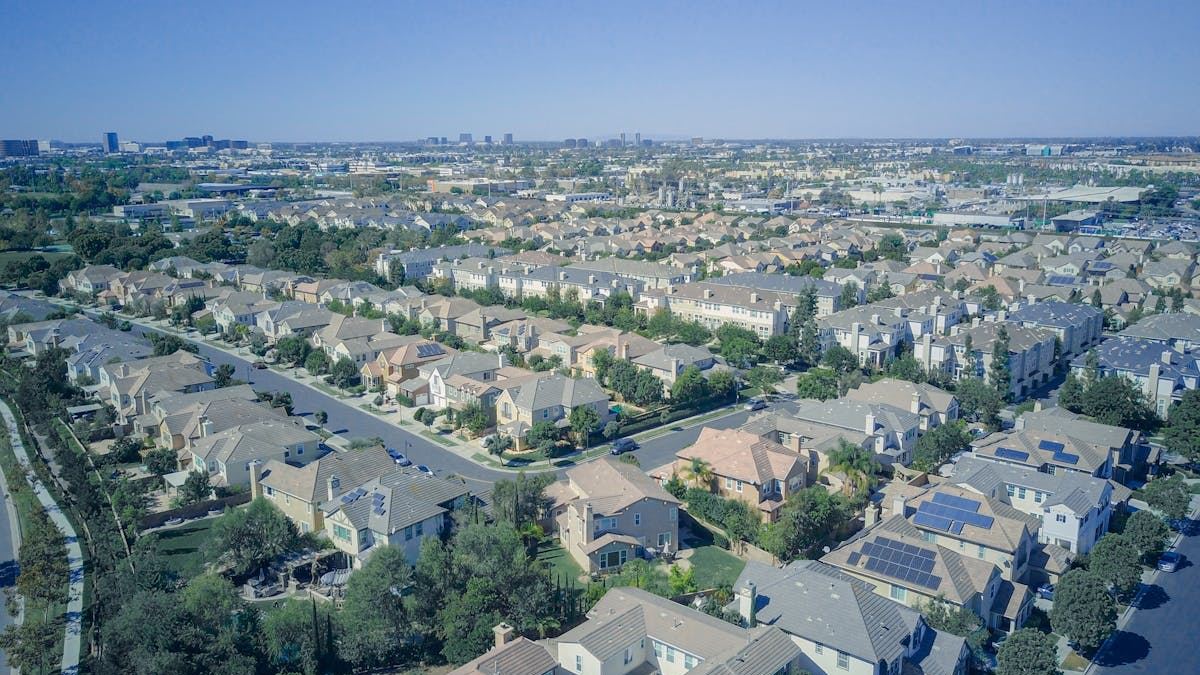
Understanding Solar Energy Cost in the United States: A Comprehensive Guide
Discover a comprehensive guide on solar energy cost in the United States, exploring factors influencing expenses, real-world scenarios, and future trends. Learn how technological advancements, incentives, and location choices affect affordability, helping homeowners and businesses make informed renewable energy investments.

Introduction to Solar Energy Cost
As the United States accelerates its transition towards renewable energy, solar power has become a frontrunner due to its sustainability and decreasing costs. However, understanding the intricacies behind solar energy cost is essential for homeowners, businesses, and policymakers alike. This article delves into various factors influencing solar installation costs, exploring recent trends, financial considerations, and real-world scenarios to provide a well-rounded perspective on the true cost of solar energy in the US.
Factors Influencing Solar Energy Cost
1. Equipment Costs and Technological Advancements
The backbone of solar energy cost is the price of photovoltaic (PV) panels and related equipment. Over the past decade, technological innovations have drastically reduced the cost of solar panels, with average prices falling by more than 70%. For example, high-efficiency panels with improved durability now cost less per watt than older models. Experts predict further reductions as manufacturing scales up and new materials emerge, making solar installation more affordable for all.
2. Installation and Labor Expenses
Installation costs form a significant portion of the overall solar energy cost. Factors such as site complexity, roof type, and labor rates influence these expenses. In states like California and New York, higher labor rates increase installation costs, whereas regions with less congested markets may offer more competitive pricing. Experienced installers often charge between $0.50 to $1.00 per watt, but additional costs may arise from structural modifications or permitting procedures.
3. Incentives and Policy Support
The federal Investment Tax Credit (ITC) has significantly lowered the effective solar energy cost for U.S. consumers by allowing a 30% tax deduction on installation costs. Many states and localities offer additional incentives such as rebates, property tax exemptions, and performance-based incentives, all of which reduce the net cost. These policies vary widely across regions, underscoring the importance of local research to maximize savings.
4. Environmental and Site-Specific Factors
Geographic location influences sunlight exposure, which impacts system size and efficiency, thereby affecting overall solar energy cost. Zones with high solar radiation, such as Arizona or Southern California, enable smaller systems to meet energy needs, reducing costs. Conversely, shaded or complex rooftops may necessitate additional equipment like microinverters or tracking systems, increasing expenses.
Real-World Scenarios and Cost Breakdown
Consider a typical homeowner in Texas installing a 6kW system. The national average cost per watt in 2023 hovers around $2.70, translating to approximately $16,200 before incentives. After applying the 30% ITC, the net cost drops to roughly $11,340. In this scenario, the homeowner benefits from energy savings, reduced electricity bills, and increased property value.
On the commercial side, larger projects benefit from economies of scale. A business installing a 100kW system may see costs lower than the residential average per watt—potentially around $2.50 per watt—leading to a total upfront expense of $250,000 before incentives. Strategic financial planning and long-term savings are crucial for such investments.
Future Trends Impacting Solar Energy Cost
Continuous innovation promises further reductions in solar energy cost. Breakthroughs in battery storage, manufacturing, and smart grid integration will not only lower costs but also enhance system reliability and flexibility. Additionally, upcoming policies aimed at reducing carbon footprints are expected to bolster incentives, making solar power more accessible to a broader population.
Expert Insights and Industry Outlook
According to industry analysts, solar energy cost will keep declining at an average rate of 5-10% annually over the next decade. Solar companies emphasize the importance of considering total cost of ownership rather than just upfront expenses, highlighting long-term savings and environmental benefits. Consumers are encouraged to consult with certified solar installers to explore tailored solutions that maximize return on investment.
Conclusion: Making Solar Energy Affordable
Understanding the various components influencing solar energy cost enables consumers to make informed decisions about adopting solar power. With decreasing equipment costs, supportive policies, and technological innovations, solar energy is becoming increasingly affordable across the United States. Embracing this clean energy option not only benefits individual finances but also contributes to national sustainability goals.