The Ultimate Guide to Fuel Efficient Cars: Saving Money and the Environment
Explore the comprehensive guide on fuel efficient cars in the United States. Learn about different vehicle types, technological advances, and how to select the best car for your needs. Discover tips on maximizing fuel savings and future trends shaping eco-friendly transportation. Ideal for eco-conscious drivers seeking cost-effective, sustainable options.
Introduction to Fuel Efficient Cars
In today's automotive landscape, the demand for fuel efficient cars has surged as consumers increasingly seek vehicles that combine performance with sustainability. From rising fuel prices to growing concerns about climate change, choosing a fuel-efficient vehicle is both an economic and ecological decision. This comprehensive guide explores what makes a car fuel-efficient, the latest advancements, and how to select the best vehicle to suit your needs in the United States.
Understanding Fuel Efficiency: What Does It Really Mean?
Fuel efficiency refers to how effectively a vehicle uses fuel to generate movement. It is typically measured in miles per gallon (mpg). The higher the mpg, the less fuel the vehicle consumes per distance traveled, translating into savings at the pump and reduced carbon emissions. But fuel efficiency encompasses more than just mpg: factors like driving habits, vehicle weight, engine technology, and aerodynamics play crucial roles.
Experts, including automotive engineers and environmentalists, emphasize that the definition of fuel efficiency is evolving. Modern vehicles aim to maximize mpg while adhering to strict emissions standards, often incorporating advanced technologies such as hybrid systems and lightweight materials.
Types of Fuel Efficient Cars in the United States
Hybrid Vehicles
Hybrid cars combine an internal combustion engine with an electric motor, offering excellent fuel economy without sacrificing power. Popular models like the Toyota Prius and Honda Insight are cornerstones of the hybrid segment. They are ideal for city commuting and long-distance travel where fuel savings can be significant.
Electric Vehicles (EVs)
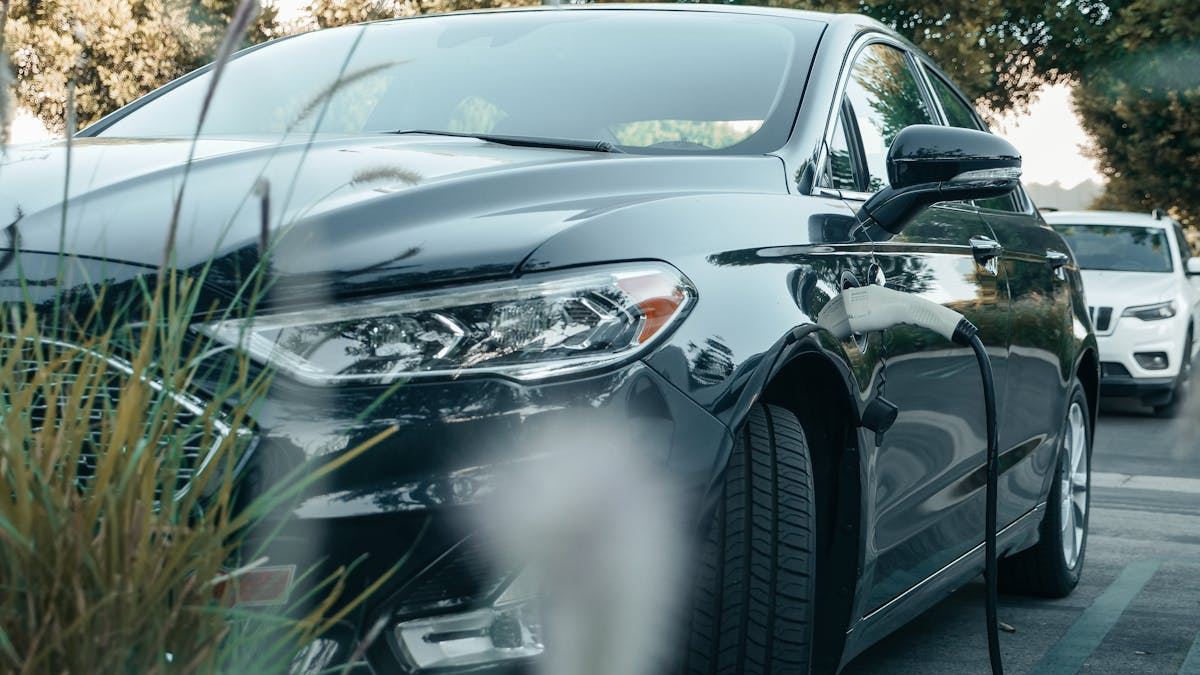
EVs run entirely on electricity, eliminating the need for gasoline altogether. Tesla Model 3, Chevrolet Bolt, and Nissan Leaf are leading options. They are perfect for urban dwellers with short commutes and access to charging infrastructure. While EVs have higher upfront costs, they offer substantial savings in fuel and maintenance over time.
Fuel-Efficient Gasoline Cars
Traditional gasoline-powered cars have become more efficient due to advances like turbocharged engines, cylinder deactivation, and aerodynamic improvements. Vehicles such as the Honda Civic and Mazda3 deliver impressive mpg ratings while maintaining affordability and comfort.
Technologies Driving Fuel Efficiency
Engine Innovations
Modern engines are designed for maximum efficiency, utilizing turbocharging, direct fuel injection, and variable valve timing. Such technologies enhance power while reducing fuel consumption.
Lightweight Materials and Aerodynamics
Manufacturers increasingly use lightweight materials like aluminum and carbon fiber to reduce vehicle weight. Aerodynamic designs also minimize drag, improving mpg, especially at highway speeds.
Hybrid and Electric Powertrains
The integration of electric motors with traditional engines creates hybrid systems that optimize fuel use. Fully electric vehicles eliminate gasoline consumption altogether, representing the ultimate goal in fuel efficiency.
Choosing the Right Fuel Efficient Car for Your Needs
When selecting a vehicle, consider your driving habits, budget, and environmental impact. City commuters may benefit from hybrids or EVs, while rural drivers might prefer fuel-efficient gasoline cars with longer range. Test-driving multiple models and analyzing where you'll save on fuel are essential steps.
Experts recommend reviewing EPA fuel economy ratings and considering incentives or rebates available for eco-friendly vehicles. Additionally, sustainable driving practices such as maintaining proper tire pressure, reducing idling, and smooth acceleration can maximize fuel efficiency.
Future Trends in Fuel Efficient Cars
The future of fuel efficient cars is dynamic, with ongoing innovations in battery technology, autonomous driving, and renewable fuels. Manufacturers are investing heavily in developing more affordable, longer-range EVs and expanding alternative fuel options. As infrastructure improves, the adoption of clean, efficient vehicles is expected to accelerate, benefiting consumers and the planet alike.
Conclusion
Choosing a fuel efficient car in the United States is an investment in your wallet and the environment. By understanding different vehicle types, technological advancements, and personal needs, consumers can make informed decisions that yield long-term savings and sustainability benefits. As the automotive industry progresses, the options for fuel-efficient vehicles continue to expand, providing more accessible and innovative choices for American drivers.