Discovering the Best Zoos, Aquariums, and Wildlife Preserves in the United States: A Comprehensive Guide for Travelers
November. 25,2025
Explore the top zoos, aquariums, and wildlife preserves across the United States. This comprehensive guide offers insights into family-friendly attractions, conservation efforts, and practical tips for travelers seeking educational and engaging experiences. Discover iconic destinations like the San Diego Zoo, Monterey Bay Aquarium, and Everglades National Park, and learn how they contribute to wildlife preservation and ecological awareness.
Introduction to U.S. Travel Tourist Destinations Featuring Zoos, Aquariums, and Preserves
America boasts a rich tapestry of wildlife and marine life attractions, making it an ideal destination for travel enthusiasts seeking educational and engaging experiences. From bustling urban zoos to expansive preserves, visitors of all ages can explore diverse ecosystems, learn about conservation efforts, and enjoy family-friendly activities. This guide aims to uncover some of the top-rated zoos, aquariums, and wildlife preserves across the United States, providing insights into what makes each destination unique, and practical tips to enhance your visit.
The Importance of Zoos, Aquariums, and Preserves in Modern Travel
In recent years, zoos, aquariums, and habitat preserves have evolved into centers for education, conservation, and research. They serve a dual purpose: entertain visitors with remarkable exhibits and facilitate critical conservation initiatives to protect endangered species. For travelers, these destinations offer immersive experiences that foster understanding and appreciation of the natural world, making them essential stops on your tourism journey.
Top Zoos in the United States
San Diego Zoo
Renowned globally, the San Diego Zoo is a pioneer in animal conservation and habitat simulation. It houses over 3,500 animals representing more than 650 species. Its expansive enclosures and innovative exhibits provide a close-up view of creatures from around the world, ranging from pandas to tigers. Visitors can enjoy guided tours, interactive exhibits, and participate in conservation programs, making it a must-visit for families and wildlife enthusiasts.
Smithsonian National Zoological Park (National Zoo)
Located in Washington, D.C., the National Zoo offers free admission and a chance to observe endangered species such as giant pandas and snow leopards. The zoo emphasizes conservation and research, with educational programs designed for all ages. Its strategic location within a national park provides a perfect combination of cultural exploration and wildlife viewing.
Henry Doorly Zoo and Aquarium
In Omaha, Nebraska, this zoo features one of the world’s largest indoor desert and rainforest habitats, making it a year-round destination. Its renowned aquarium offers diverse marine exhibits, while the zoo's conservation efforts include breeding programs for endangered species. The zoo's innovative design creates immersive environments that educate visitors about biodiversity and ecological responsibility.
Leading Aquariums Across the United States
Monterey Bay Aquarium
Located on California’s coast, Monterey Bay Aquarium is celebrated for its pioneering oceanographic exhibits and commitment to marine conservation. It features massive tanks showcasing kelp forests, deep-sea creatures, and sea otters. Visitors gain insights into marine ecosystems and the challenges faced by ocean life due to pollution and climate change.
Aquarium of the Pacific
Based in Long Beach, California, this aquarium emphasizes interactive exhibits and educational outreach. It hosts over 19,000 animals from the Pacific Ocean, including sharks, jellyfish, and rays. Special programs focus on conservation, encouraging responsible interactions with marine environments.
Georgia Aquarium
As one of the largest aquariums in the world, Atlanta's Georgia Aquarium provides immersive experiences with whale sharks, beluga whales, and manta rays. Its innovative exhibits highlight the importance of ocean preservation and sustainable practices, making it a top destination for marine life lovers.
Wildlife Preserves and Natural Habitat Conservation Areas
Everglades National Park
The Everglades offer a unique subtropical ecosystem home to numerous species including the Florida panther, manatees, and numerous bird species. Tours by airboat, kayaking, and guided walks allow visitors to experience this pristine habitat, emphasizing the importance of ecological preservation amidst urban expansion.
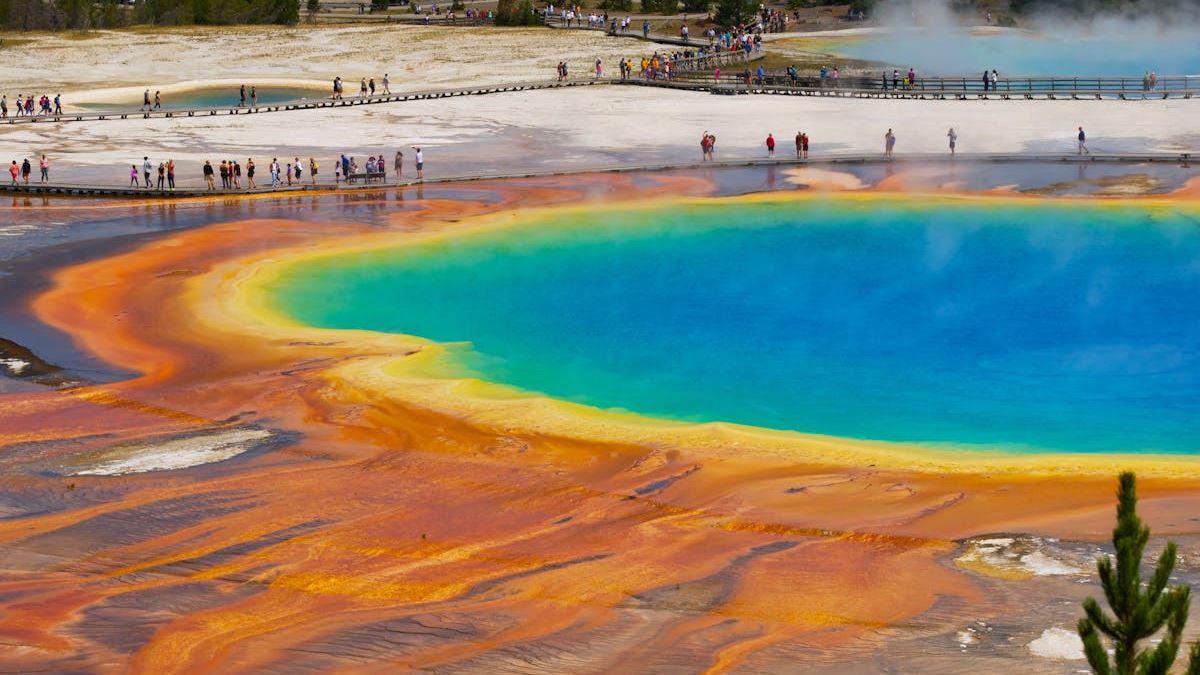
Yellowstone National Park
Known for its geysers and diverse wildlife, Yellowstone hosts bison herds, wolves, elk, and bears. Visitors can participate in wildlife safaris, guided tours, and educational programs that promote conservation awareness and sustainable tourism practices.
Denali National Park and Preserve
This Alaskan preserve provides an opportunity to view Alaska’s iconic flora and fauna, including bears, moose, and Dall sheep. Tours and wilderness camping experiences prioritize responsible tourism, emphasizing ecological stewardship and preserving the natural beauty of the region.
Planning Your Visit: Tips for Traveling to Zoos, Aquariums, and Preserves
When planning a trip to these top travel tourist destinations, consider factors such as peak visiting hours, ticketing options, and special programs. Many zoos and aquariums offer behind-the-scenes tours, conservation talks, and interactive experiences, enriching your overall trip. Remember to verify accessibility options and family-friendly amenities to ensure a comfortable experience for all visitors.
Conclusion: Engaging with Wildlife and Marine Conservation through Travel
Visiting zoos, aquariums, and wildlife preserves in the United States provides more than entertainment—it creates awareness and fosters conservation-minded travelers. By supporting these destinations, you contribute to vital efforts that protect endangered species and promote ecological balance. Plan your trip with intention, embrace the educational opportunities, and enjoy meaningful connections with the natural world during your travels.