Understanding and Treating Itchy Scalp: a Comprehensive Guide
Discover a comprehensive guide to understanding and treating itchy scalp. Learn about common causes like dandruff, psoriasis, and allergies, explore effective treatments, and find tips for prevention. Expert advice helps you manage scalp itchiness and restore scalp health effectively.
Introduction
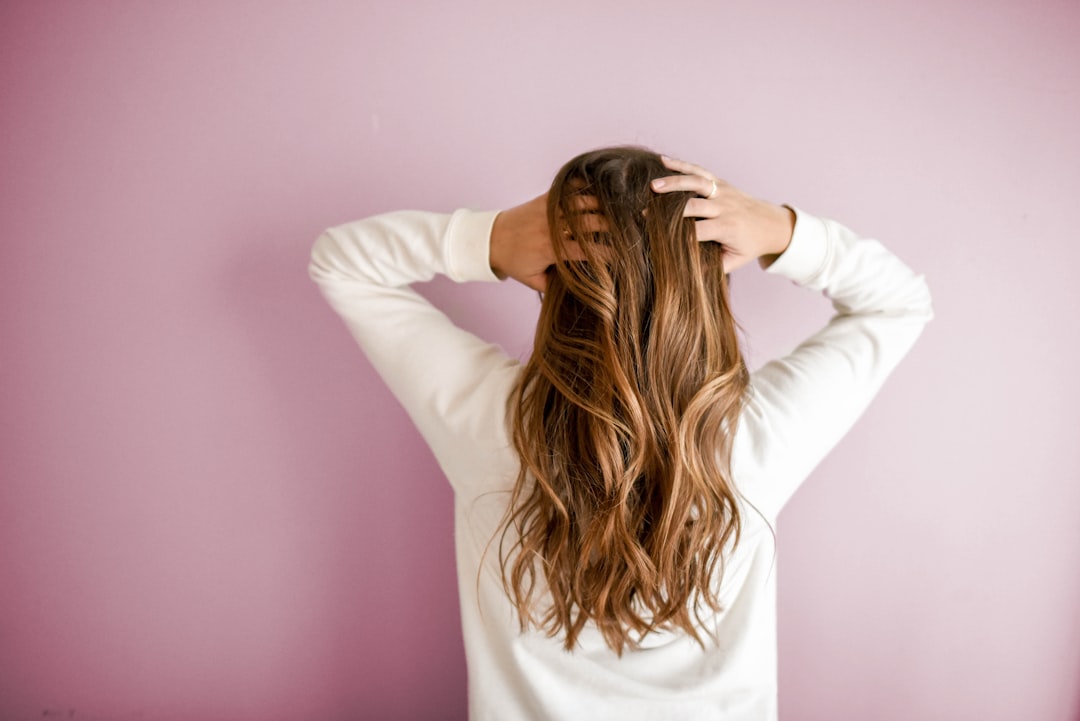
An itchy scalp can be an uncomfortable and distressing experience for many individuals. It can result from a variety of causes, ranging from simple dry skin to underlying health conditions. This guide aims to provide a detailed understanding of the causes, symptoms, treatment options, and preventive measures related to itchy scalp, helping readers find relief and improve their scalp health.
What Is an Itchy Scalp?
When the scalp becomes irritated, inflamed, or sensitive, it often leads to an itchy sensation. This condition is common across all age groups and can be temporary or persistent. Itchy scalp might be accompanied by other symptoms such as redness, flakiness, or even hair loss, depending on the underlying cause.
Common Causes of Itchy Scalp
Dry Scalp
One of the most common causes is a dry scalp, often caused by environmental factors like cold weather, low humidity, or harsh hair products. Dry scalp leads to flaky skin and itching, especially during winter months or after bathing with hot water.
Dandruff and Seborrheic Dermatitis
Persistent flaking along with itching could be signs of dandruff or seborrheic dermatitis. These conditions are caused by overgrowth of Malassezia yeast, excessive oil production, or inflammation, requiring specific treatment.
Scalp Psoriasis
Scalp psoriasis is an autoimmune disease that causes thick, silvery plaques and itching. It may also involve redness and crusting, often requiring medical intervention.
Allergic Reactions
Reactions to hair dyes, shampoos, or other hair care products can trigger allergic contact dermatitis, leading to itchy, inflamed skin on the scalp.
Other Causes
Less common causes include head lice infestations, fungal infections, certain medications, or underlying health conditions like eczema or scalp folliculitis.
Diagnosing the Cause of Itchy Scalp
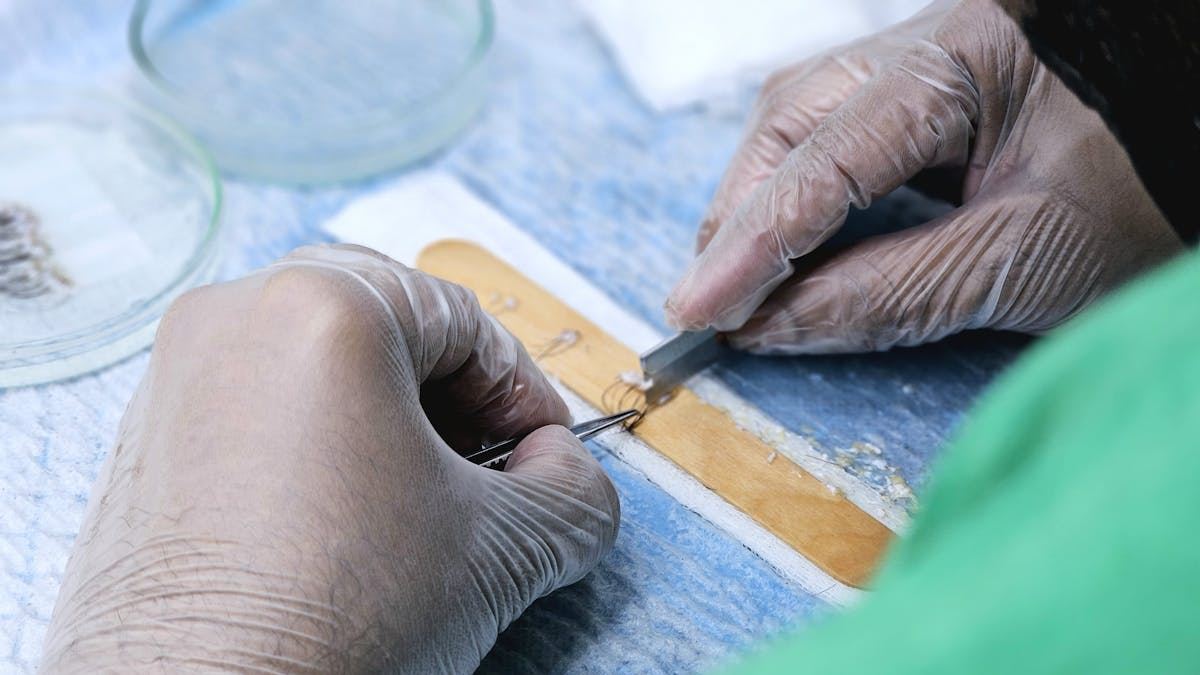
Proper diagnosis involves a thorough scalp examination, review of hair care routines, and sometimes laboratory tests or skin biopsies. Consulting a dermatologist ensures a precise diagnosis and effective treatment plan.
Treatment Options for Itchy Scalp
Over-the-Counter Remedies
Medicated shampoos containing ingredients like pyrithione zinc, selenium sulfide, coal tar, salicylic acid, or ketoconazole are effective for dandruff and seborrheic dermatitis. These shampoos should be used as directed for optimal results.
Prescription Treatments
For scalp psoriasis or stubborn dermatitis, dermatologists may prescribe topical corticosteroids, vitamin D analogs, or antifungal medications to control inflammation and itchiness.
Home Remedies and Lifestyle Changes
Maintaining good scalp hygiene, avoiding harsh chemicals, using moisturizing conditioners, and managing stress can significantly improve scalp health. Natural remedies like tea tree oil or apple cider vinegar rinses may also provide relief.
When to Seek Medical Help
If the itching persists beyond a few weeks, worsens, or is accompanied by hair loss, pain, or severe redness, consulting a healthcare professional is essential for proper diagnosis and treatment plan.
Preventive Measures for Itchy Scalp
Preventive strategies include using gentle hair products, avoiding excessive heat styling, regular scalp cleansing, and protecting the scalp from harsh environmental conditions. Regular check-ups with a dermatologist can aid in early detection and management of underlying issues.
Conclusion
An itchy scalp can significantly impact quality of life, but understanding its causes and treatment options makes it manageable. Whether you face dry skin, dandruff, or other conditions, adopting a comprehensive approach can lead to healthier, itch-free scalp experiences.