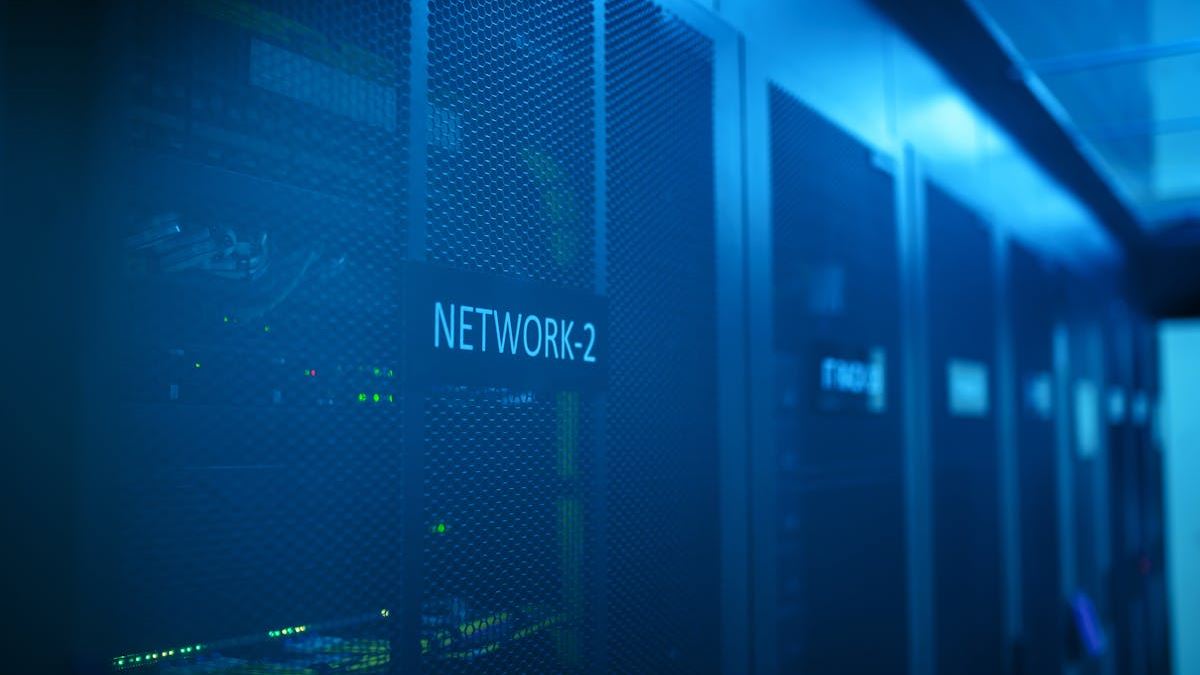
Building a Robust Cloud Security Infrastructure: Strategies for Protecting Data in the Cloud
Discover comprehensive strategies for building a resilient cloud security infrastructure. Learn how to protect sensitive data with layered security measures including IAM, encryption, network security, and proactive monitoring. This guide provides insights into real-world scenarios, expert advice, and future trends essential for safeguarding cloud environments.

Introduction
Understanding Cloud Security Infrastructure
What Is Cloud Security Infrastructure?
Cloud security infrastructure encompasses the hardware, software, policies, and procedures that protect cloud-based resources. It includes firewalls, encryption mechanisms, identity and access management (IAM), network segmentation, and monitoring tools designed to defend against malicious activities and prevent data breaches.
Importance of a Holistic Approach
A successful cloud security infrastructure integrates various security measures across all layers—accounting for physical resources, network components, and application security—to create a layered defense capable of mitigating diverse cyber threats.
Core Components of Cloud Security Infrastructure
Identity and Access Management (IAM)
IAM systems control user identities and permissions, ensuring only authorized personnel access sensitive data. Multi-factor authentication (MFA), single sign-on (SSO), and role-based access controls (RBAC) are vital components that reduce the risk of unauthorized access.
Network Security
Implementing firewalls, virtual private clouds (VPCs), and intrusion detection/prevention systems (IDS/IPS) helps monitor and control network traffic, blocking malicious attempts and isolating compromised segments to contain threats.
Data Encryption
Encrypting data both at rest and in transit is essential. Advanced encryption standards (AES) and TLS protocols ensure data confidentiality, even if attackers breach other defenses.
Security Monitoring & Incident Response
Continuous monitoring through Security Information and Event Management (SIEM) systems enables early detection of anomalies. Establishing a robust incident response plan ensures swift action to minimize damage during security breaches.
Real-World Scenarios & Case Studies
Consider a financial firm migrating customer data to the cloud. By leveraging IAM with MFA, encrypting data at rest, and deploying network segmentation, the company successfully thwarted a targeted intrusion attempt. Similarly, an e-commerce platform experienced a potential data breach but identified the anomaly early via SIEM alerts, enabling immediate mitigation. These examples highlight the necessity of multiple layered security measures within your cloud security infrastructure.
Expert Insights & Future Trends
Cybersecurity experts emphasize the importance of adopting zero-trust models within cloud security infrastructure—assuming breach and verifying every access request. Emerging technologies like AI-driven security analytics and automated incident response promise to enhance defenses further, adapting to the rapidly changing threat landscape.
Conclusion