The Future of Transportation: An In-Depth Look at Electric Cars in the United States
This comprehensive article explores the rise of electric cars in the United States, examining their history, benefits, challenges, and the promising future of EV adoption. It offers insights into technological innovations, environmental impact, policy support, and consumer trends, providing readers with an authoritative guide to understanding and embracing the electric vehicle revolution in America.
Introduction to Electric Cars and Their Rise in the United States
Over the past decade, electric cars have transitioned from niche gadgets to mainstream transportation options across the United States. As environmental awareness grows and technology advances, electric cars emerge as a promising solution to reduce pollution and dependence on fossil fuels. This article explores the evolution of electric cars, their current popularity, and what the future holds for electric vehicle (EV) adoption in America.
The History and Evolution of Electric Cars
Early Developments and Challenges
The concept of electric cars dates back to the 19th century, with the first practical models emerging in the late 1800s. However, they faced significant challenges including limited battery range, high costs, and lack of infrastructure, which kept them from gaining widespread popularity.
Modern Revival and Technological Advancements
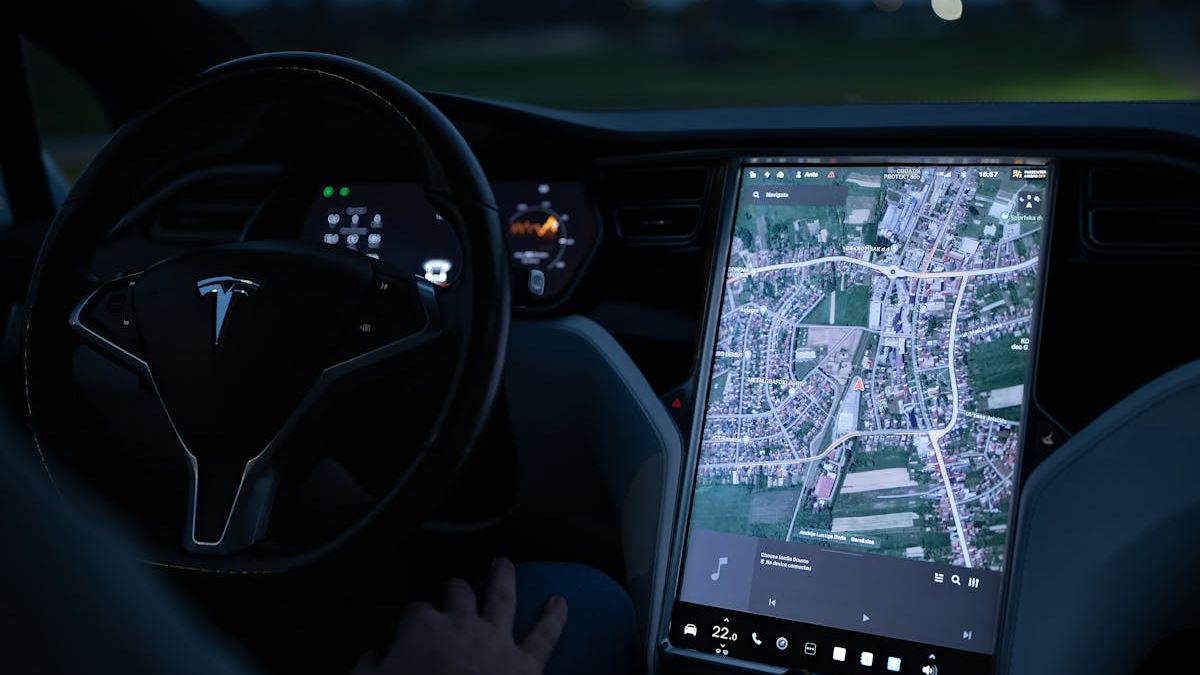
By the late 20th and early 21st centuries, the pressing need for cleaner transportation revived interest in electric cars. Advances in lithium-ion battery technology, greater government support, and increased consumer awareness have played vital roles in their resurgence. Today, electric cars like Tesla Model 3, Nissan Leaf, and Chevrolet Bolt are leading the market and gaining popularity among American consumers.
The Benefits of Electric Cars for American Consumers and the Environment
Environmental Impact and Sustainability
Electric cars produce zero tailpipe emissions, significantly reducing air pollutants like nitrogen oxides and particulate matter. This shift is critical in combating urban smog and climate change. Additionally, as renewable energy sources become more prevalent, the overall carbon footprint of electric vehicles continues to decline.
Cost Savings and Incentives
Though electric cars often have higher upfront costs, they lower operational expenses through reduced fuel costs, lower maintenance requirements, and government incentives. Programs such as federal tax credits, state rebates, and local grants make electric car ownership more accessible to many Americans.
Enhanced Driving Experience
Electric cars offer a smooth, quiet ride with instant torque response and innovative features like regenerative braking. They appeal to tech-savvy consumers and those seeking efficient urban mobility options.
Challenges Facing Electric Car Adoption in the U.S.
Range Anxiety and Charging Infrastructure
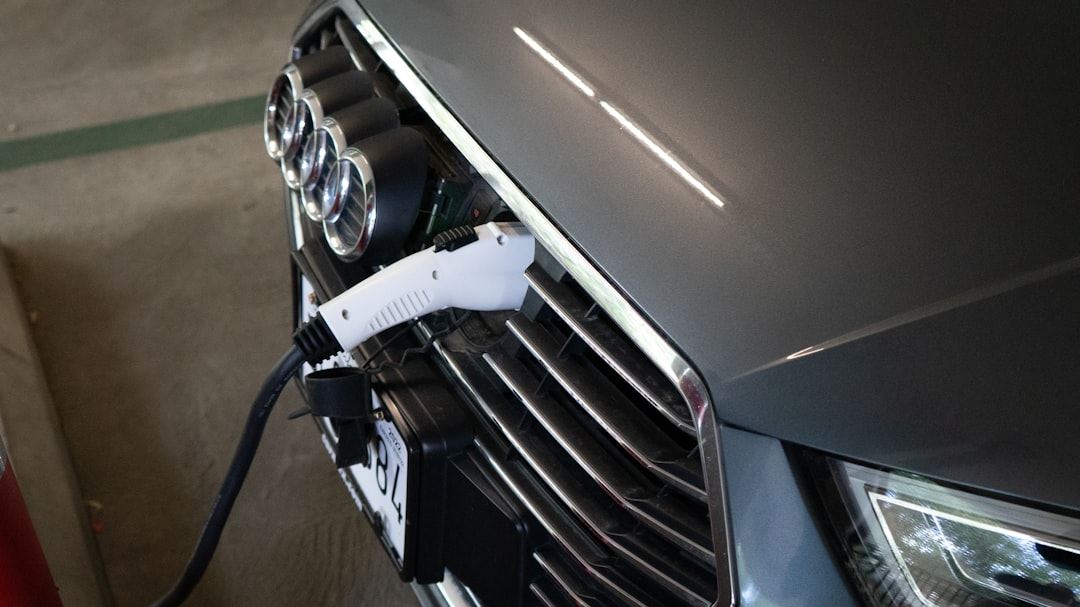
One of the primary concerns for potential electric car buyers is range anxiety—the fear of running out of battery without access to charging stations. Although charging infrastructure is expanding rapidly, gaps remain in rural and underserved areas, affecting widespread adoption.
Battery Production and Recycling
The environmental footprint of battery manufacturing and disposal remains a concern. Innovations in battery recycling and sustainable sourcing are essential to minimize ecological impact and improve the sustainability of electric cars.
Market Competition and Consumer Awareness
As more automakers enter the electric vehicle market, consumers face a variety of options, which can be both a benefit and a source of confusion. Educating consumers about the benefits and choosing the right model is crucial for increasing EV adoption.
The Future of Electric Cars in America
Policy and Regulatory Support
Federal and state governments are implementing policies aimed at phasing out internal combustion engine vehicles and encouraging electric car adoption. Initiatives include stricter emission standards, incentives, and investments in charging infrastructure.
Technological Innovations and Market Growth
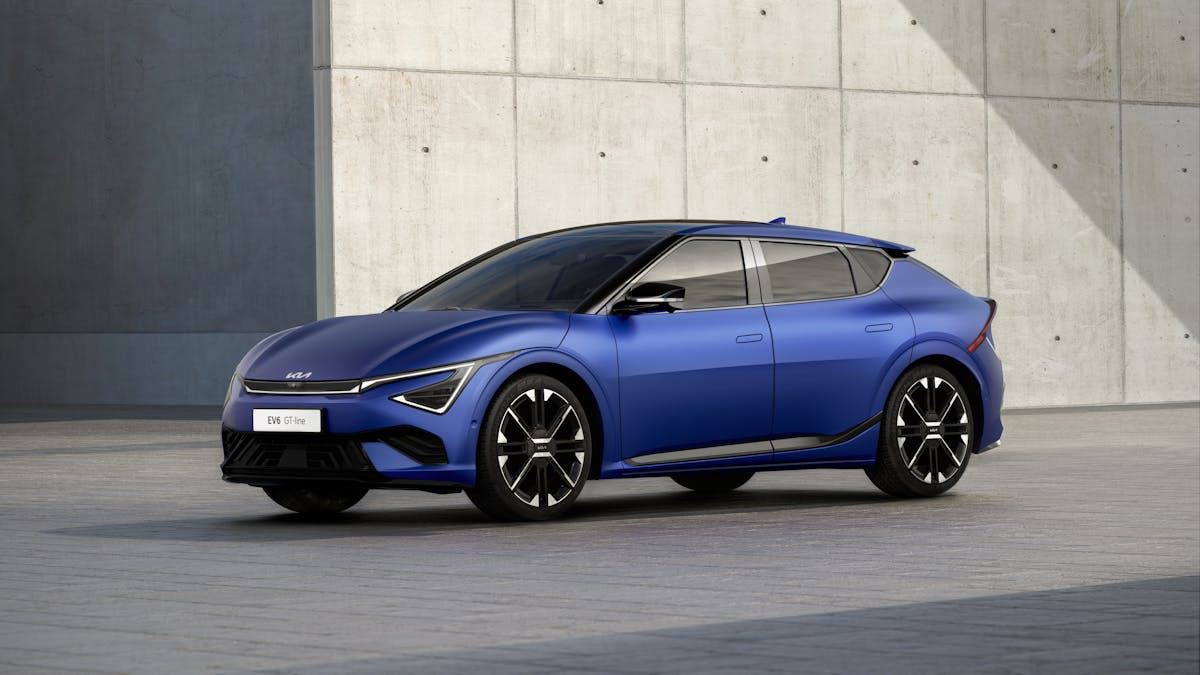
Advancements in battery technology, vehicle design, and autonomous driving are poised to transform electric cars further. The industry is expected to see exponential growth, with estimates suggesting electric cars will constitute a substantial portion of new vehicle sales by 2030.
Consumer Trends and Adoption Scenarios
As costs decline and infrastructure improves, more Americans are expected to switch to electric cars, driven by environmental concerns, economic benefits, and government policies. Urban areas will likely become hotspots for electric vehicle adoption, transforming transportation habits nationwide.
Conclusion: Embracing the Electric Vehicle Revolution
The transition to electric cars represents a pivotal change in how we think about mobility, sustainability, and innovation. While challenges remain, ongoing technological progress, supportive policies, and consumer awareness will drive the widespread adoption of electric cars across the United States. Embracing this revolution is essential for building a cleaner, smarter, and more efficient transportation future.