Understanding Bank Accounts in the United States: A Comprehensive Guide
Discover the essential guide to bank accounts in the United States. Learn about different account types such as checking, savings, money market, and CDs. Find tips on choosing the right account for your needs, understanding features, fees, interest rates, and application steps. Empower your financial journey with expert insights and practical advice on managing your bank accounts effectively.

Introduction to Bank Accounts in the United States
Types of Bank Accounts Available in the U.S.
Checking Accounts
Checking accounts are the most common type of bank accounts used for daily transactions. They allow easy access to funds through checks, debit cards, and ATMs. Typically, they do not offer high interest rates but provide convenience for bill payments, shopping, and withdrawal.
Savings Accounts
Savings accounts are designed to help you grow your savings over time. They usually offer higher interest rates than checking accounts, though access to funds may be limited to encourage savings. They are ideal for building emergency funds or saving for future goals.
Money Market Accounts
Money market accounts combine features of savings and checking accounts. They generally offer higher interest rates and allow limited check writing. They are suitable for individuals who want to earn more interest while maintaining some liquidity.
Certificates of Deposit (CDs)
Certificates of deposit are fixed-term deposits with higher interest rates. You agree to leave your funds untouched for a specified period, ranging from months to years. They are best for funds you do not need immediate access to and are seeking a guaranteed return.
How to Choose the Right Bank Account
Selecting the appropriate bank accounts depends on your financial goals, spending habits, and needs. Consider factors such as interest rates, monthly fees, minimum balance requirements, and accessibility.
For example, if you need a day-to-day transaction account, a checking account with no monthly fees and ATM access might suit you best. Conversely, if you aim to save money systematically, a high-yield savings account or CD could be suitable.
Important Features and Considerations
Fees and Charges
Be aware of potential fees such as monthly maintenance fees, overdraft charges, and ATM fees. Many banks offer fee waivers based on minimum balance or direct deposit requirements.
Interest Rates and APY
Interest rates vary among bank accounts. Checking accounts typically have lower or no interest, while savings and money market accounts often offer competitive APY. Always compare rates before opening an account.
Accessibility and Convenience
Consider the bank's branch and ATM network, online and mobile banking features, and customer service quality. Accessibility is crucial for seamless financial management.
The Application Process for a Bank Account
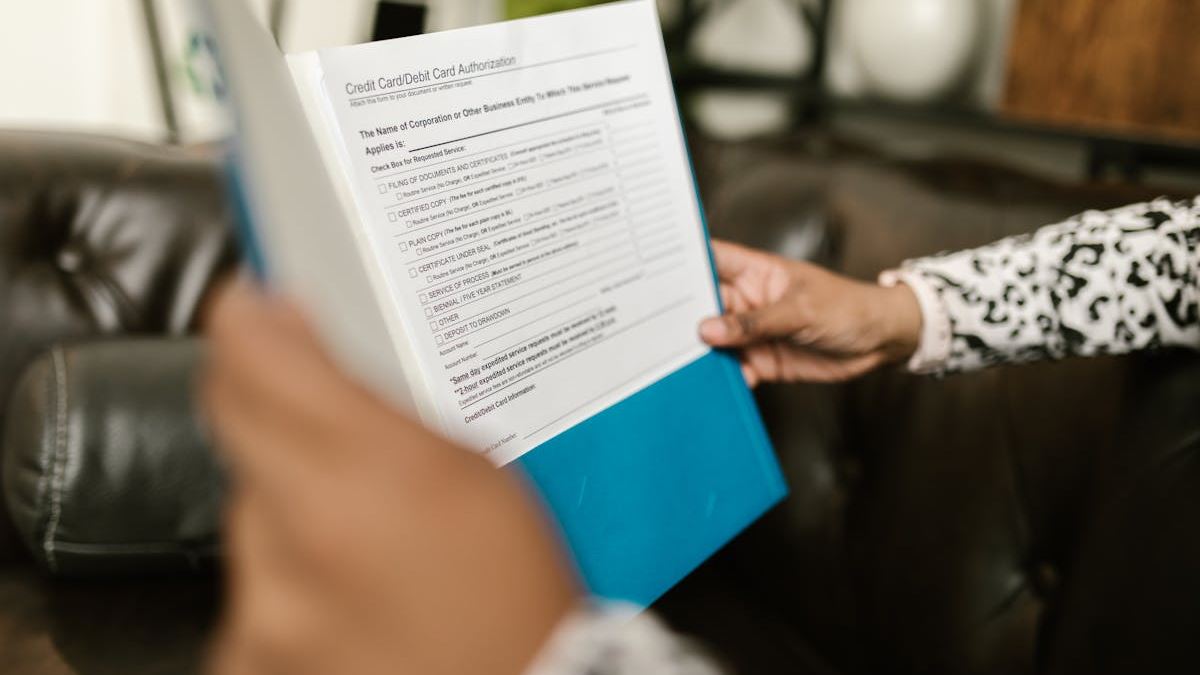
Opening a bank account in the U.S. generally requires valid identification (such as a driver's license or passport), proof of address, and possibly your Social Security number. Many banks allow online applications, providing convenience and speed.
Conclusion: Making Informed Decisions About Your Bank Accounts