Understanding Lymphoma Skin Rash: Causes, Symptoms, and When to Seek Medical Help
Explore the comprehensive guide on lymphoma skin rash, including causes, symptoms, diagnostic procedures, and treatment options. Understand how this skin manifestation relates to lymphoma and learn when to seek medical advice for early diagnosis and effective management.
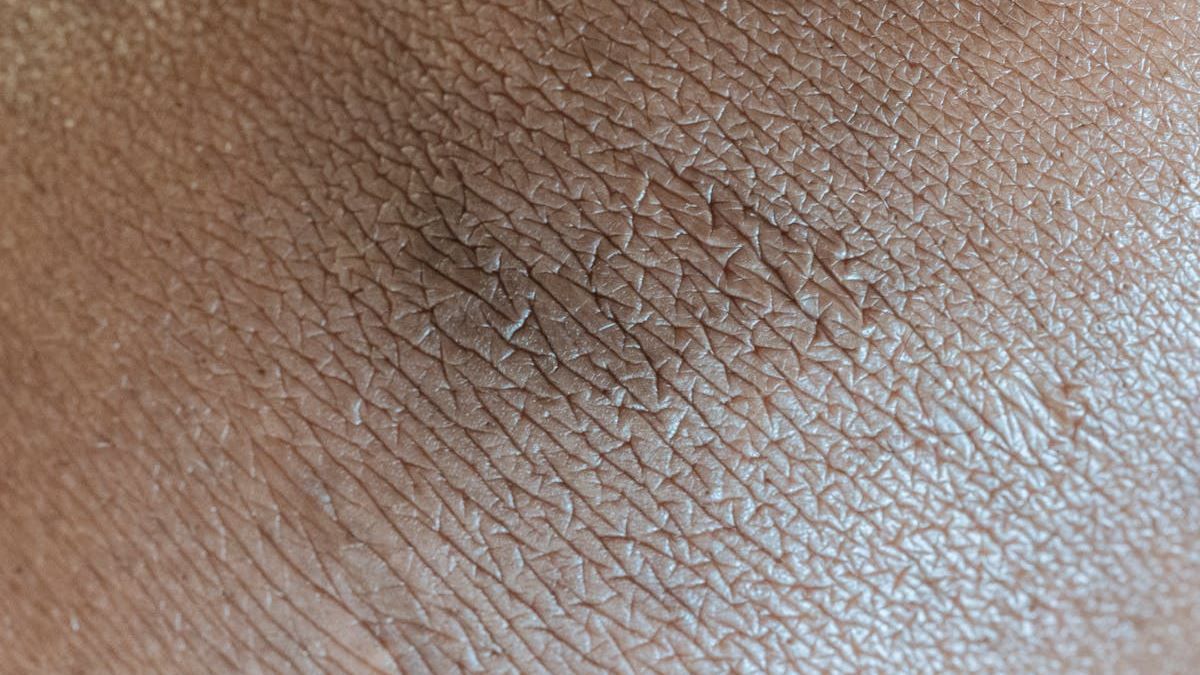
Introduction to Lymphoma Skin Rash
Lymphoma skin rash is a manifestation associated with certain types of lymphoma, a group of blood cancers affecting lymphatic tissue. Recognizing this rash early can be crucial for diagnosis and treatment, yet its presentation can often be confusing, mimicking benign skin conditions.
What Is Lymphoma Skin Rash?
A lymphoma skin rash appears as abnormal skin changes that result from lymphoma proliferation or infiltration into the skin. It is not uncommon for patients with lymphoma, especially non-Hodgkin lymphoma or Hodgkin lymphoma, to develop skin-related symptoms.
Common Causes and Pathophysiology
The development of lymphoma skin rash is linked to the infiltration of malignant lymphocytes into the skin. This infiltration triggers inflammatory responses, leading to visible skin changes. The causes include:
- Direct infiltration: Malignant cells invade the skin tissues directly.
- Immune response: The body's immune response to lymphoma can produce skin manifestations.
Symptoms and Clinical Presentation
Patients with lymphoma skin rash typically report:
- Red, raised, or flat patches on the skin
- Itching or discomfort
- Multiple lesions that may be scattered or localized
On examination, these rashes can resemble eczema, psoriasis, or other dermatological conditions, making medical diagnosis essential.
Distinguishing Lymphoma Skin Rash from Other Conditions
Due to its similarity to benign skin conditions, discerning lymphoma skin rash requires careful clinical assessment and often biopsy. Key differences include:
- Persistence despite typical treatments
- Associated systemic symptoms like weight loss or fever
- Rapid progression or unusual appearance
Diagnostic Approaches
To diagnose lymphoma skin rash accurately, healthcare professionals may perform:
- Skin biopsy: The gold standard for confirming the presence of malignant lymphocytes.
- Blood tests: To check for lymphoma markers.
- Imaging studies: Such as PET scans to evaluate the extent of disease.
Implications of a Lymphoma Skin Rash
Discovering a lymphoma skin rash often indicates underlying lymphoma activity. This finding can influence staging, prognosis, and treatment planning—highlighting the importance of timely diagnosis.
Treatment Options
Treatment for lymphoma skin rash is inherently linked to managing the primary lymphoma. Approaches include:
- Chemotherapy
- Targeted therapy
- Radiation therapy
- Immunotherapy
Addressing skin symptoms may involve topical agents or supportive care but effectively treating the underlying lymphoma typically resolves the rash.
Real-World Patient Scenarios
Consider Jane, a 45-year-old woman who noticed persistent red patches on her arms. Initially diagnosed as eczema, her condition worsened despite treatment. Further testing revealed lymphoma infiltration in her skin, leading to a diagnosis of cutaneous lymphoma. Her journey underscores the importance of thorough evaluation when skin rashes persist or change unexpectedly.
Expert Commentary
Dr. Smith, an oncologist specializing in lymphoma, emphasizes, Recognizing lymphoma skin rash is critical because early detection can dramatically influence patient outcomes. We must consider lymphoma in differential diagnosis when skin lesions are atypical or unresponsive to standard treatments.