Understanding the Distinction Between AI Text and Human Text: A Comprehensive Guide
Explore the key differences and benefits of AI text versus human text in this comprehensive guide. Understand how artificial intelligence enhances content creation while emphasizing the irreplaceable qualities of human authorship. Discover real-world applications, future trends, and expert insights into the evolving landscape of digital content.

Introduction
Defining AI Text and Human Text
What Is AI Text?
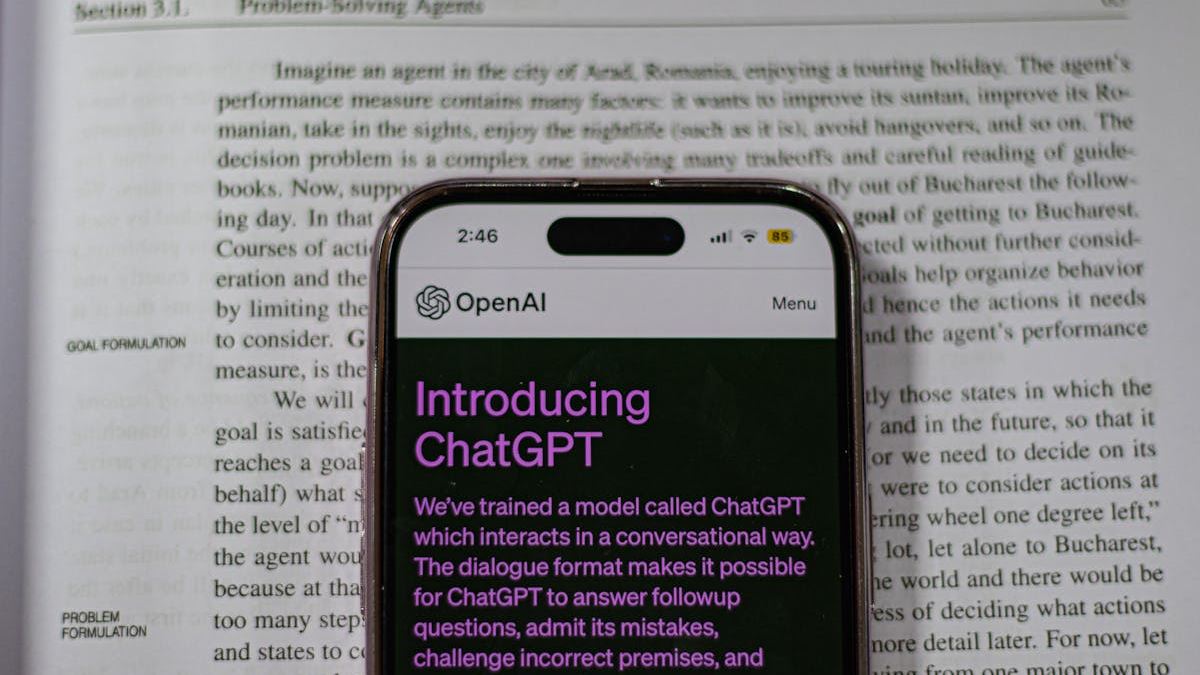
AI text refers to content generated using algorithms powered by artificial intelligence, particularly natural language processing (NLP) models such as GPT-4. These models analyze vast datasets to produce coherent, contextually relevant content rapidly. AI text can range from simple data summaries to complex articles, and is often used to automate customer service, generate marketing content, or assist in document creation.
What Is Human Text?
Human text is content created by individuals through intentional effort, creativity, and nuanced understanding of language and context. Human authors bring personal experiences, cultural awareness, and emotional intelligence to their writing, making their content rich with depth and authenticity.
Key Differences Between AI Text and Human Text
1. Creativity and Originality
While AI can mimic creativity by assembling information in new ways, human writers excel at generating truly original ideas infused with personal insights and cultural nuances. For example, storytelling in literature and nuanced opinion pieces often rely heavily on human insight.
2. Consistency and Speed
AI can produce high volumes of text within seconds, making it invaluable for repetitive or data-intensive tasks such as drafting reports or customer support scripts. Conversely, human writers may take hours or days but provide depth, emotion, and intricate understanding.
3. Understanding Context and Nuance
AI models have improved significantly in grasping context, but often struggle with subtleties like sarcasm, idioms, or cultural references that humans interpret naturally. For instance, AI may misinterpret complex emotional cues present in human conversations.
Advantages and Limitations of AI Text
Advantages
- Rapid content generation
- Cost-effective for large-scale tasks
- Consistency in tone and style
Limitations
- Lack of genuine creativity and emotional depth
- Potential for inaccuracies or biased content
- Difficulty with complex or ambiguous language
Why Human Text Remains Indispensable
Despite the impressive capabilities of AI, human-written content remains essential for storytelling, nuanced analysis, and establishing authentic connections. Human writers excel at weaving complex ideas with emotional intelligence, creating content that resonates deeply with audiences. For example, in marketing, personalized messaging crafted by humans often outperforms automated content in building trust and engagement.
Real-World Scenarios and Applications
AI Text in Business and Media
Major companies utilize AI to generate news summaries, product descriptions, and customer service responses, improving efficiency. For instance, media outlets use AI algorithms to produce real-time financial updates, allowing reporters to focus on in-depth analysis.
Human Text in Creative Industries
Authors, journalists, and content marketers often prioritize human input for storytelling, opinion pieces, and in-depth investigative journalism. Their work adds layers of context, emotion, and critical thinking beyond what AI can currently achieve.
The Future: Collaboration or Competition?
The evolving interplay between AI text and human text suggests a future of collaboration, where AI tools assist humans in creating better content rather than replacing them. Experts emphasize adopting a hybrid approach—leveraging AI for efficiency and free-flowing creativity supplemented by human oversight to ensure authenticity and depth.
Conclusion