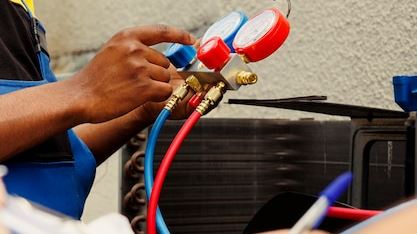
Comprehensive Guide to AC Repair: Ensuring Cool Comfort in Your Home
Learn everything you need to know about AC repair in our comprehensive guide. From understanding how your AC works to identifying signs of trouble and choosing professional repair services, this article helps homeowners maintain cool comfort efficiently and affordably across the United States.
Introduction: The Importance of Proper AC Repair
As the summer heat intensifies across the United States, a reliable air conditioning system becomes essential for maintaining comfort and safety indoors. When your AC unit starts acting up or stops functioning altogether, understanding the fundamentals of AC repair can save you time, money, and unnecessary stress. This comprehensive guide aims to walk homeowners through the critical aspects of AC maintenance, signs of malfunction, troubleshooting tips, and when to call in professional technicians to ensure your cooling system runs efficiently all season long.
Understanding Your Air Conditioning System
Components and How They Work
Your AC system comprises several key components, including the compressor, condenser coil, evaporator coil, expansion valve, and refrigerant. Each part plays a vital role in cooling your indoor environment. When these parts function optimally, you enjoy consistent, energy-efficient cooling. But, wear and tear, dirt buildup, or electrical issues can disrupt this harmony, necessitating proper AC repair.
Common Causes of AC Problems
Air conditioning units in the U.S. can face numerous issues, such as refrigerant leaks, compressor failures, faulty thermostats, clogged filters, or electrical malfunctions. Recognizing early signs of these problems helps prevent costly repairs and ensures effective AC operation.
Signs That Indicate Your AC Needs Repair
Being alert to warning signs can make all the difference in maintaining cool comfort. Some typical indicators that your AC repair may be necessary include:
- Insufficient cooling or warm air blowing from vents
- Unusual noises such as banging, rattling, or squealing
- Foul odors emanating from the unit
- High energy bills despite regular usage
- Frequent cycling or the system constantly turning on and off
- Leaking or pooling water around the unit
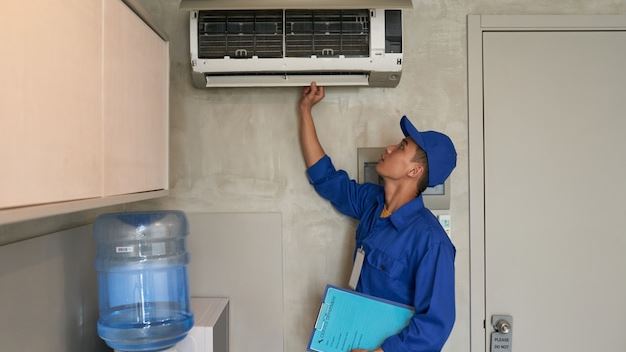
If you notice any of these issues, it’s advisable to consult a qualified HVAC technician promptly to diagnose and address the problem.
DIY Troubleshooting Tips for AC Issues
Simple Checks Homeowners Can Perform
Before calling a professional, some basic troubleshooting steps can potentially resolve minor problems. These include:
- Replacing or cleaning air filters to improve airflow
- Ensuring thermostat settings are correct and functioning properly
- Clearing debris or obstructions around outdoor condenser units
- Checking circuit breakers or fuses to ensure power supply continuity
When to Seek Professional AC Repair
If basic checks do not resolve issues or if problems involve refrigerant refilling, electrical wiring, or compressor repairs, it’s critical to contact professional HVAC technicians. Skilled technicians have the training, tools, and experience to safely and efficiently restore your AC’s performance.
Choosing the Right AC Repair Service
What to Look for in a Technician
When selecting an AC repair service in the United States, consider the following:
- Proper licensing and certifications
- Experience with your specific AC brand and model
- Positive customer reviews and testimonials li>Transparent pricing and warranty policies
- Availability for emergency repairs
Questions to Ask Before Hiring
Don’t hesitate to inquire about the technician’s qualifications, estimated repair costs, expected timeframe, and guarantees on work performed. An informed choice ensures peace of mind and optimal service quality.
Preventative Maintenance to Reduce Repair Costs
Preventative maintenance is vital in extending the lifespan of your AC unit and reducing the frequency of repairs. Regular tasks include changing filters, cleaning coils, inspecting electrical connections, and calibrating thermostats. Scheduling annual professional checkups can help identify potential issues before they escalate, saving you money and ensuring consistent comfort during the hot months.
Cost Considerations for AC Repairs in the U.S.
The cost of AC repair varies depending on the issue's complexity, the unit's brand and age, and regional labor rates. Minor repairs like replacing filters or thermostats might cost under $200, whereas major component replacements such as compressors can exceed $1,500. Investing in quality repairs and maintenance is crucial for long-term efficiency and savings.
Conclusion: Maintaining Your Comfort with Expert AC Repair
Being proactive about AC repair and maintenance not only prevents discomfort during the hottest months but also prolongs the lifespan of your cooling system. Recognizing early signs of trouble, performing simple troubleshooting, and engaging qualified professionals ensures your home remains cool and comfortable year-round. Remember, when in doubt, consult a reputable AC repair specialist to keep your system running optimally.