Understanding Urinary Tract Infection: Causes, Symptoms, and Prevention
Explore the comprehensive guide on urinary tract infections (UTIs), including causes, symptoms, prevention, and treatment options. Understand how UTIs affect urinary health and learn preventive strategies to stay infection-free. Ideal for those seeking detailed medical insights and effective management tips.

Introduction
Urinary tract infection (UTI) is one of the most common bacterial infections affecting millions of people in the United States each year. Whether you're a young adult, an athlete, or an elderly individual, understanding UTIs is crucial for maintaining urinary health and preventing complications.
What Is a Urinary Tract Infection?
A urinary tract infection occurs when bacteria invade and infect parts of the urinary system, including the kidneys, ureters, bladder, and urethra. Although it can affect any part of the urinary system, most UTIs involve the lower urinary tract: the bladder and urethra.
Causes of Urinary Tract Infection
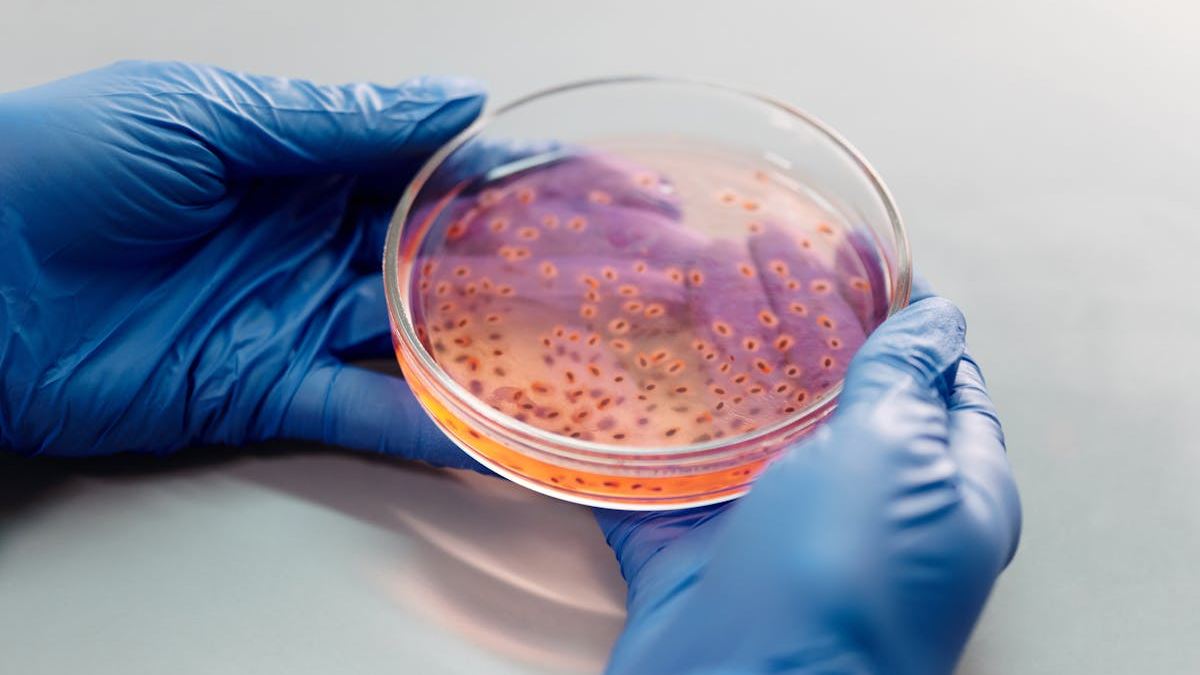
Understanding what causes UTIs can help in prevention. Most UTIs are caused by Escherichia coli (E. coli), bacteria normally found in the colon. Other causes include poor hygiene, sexual activity, urinary retention, catheter use, and immune system deficiencies.
Risk Factors
Some people are more prone to UTIs, including women (due to shorter urethra), pregnant women, diabetics, and individuals with urinary catheters. Lifestyle factors such as dehydration and certain contraceptive methods can also increase risk.
Symptoms of Urinary Tract Infection
Symptoms can range from mild to severe. Typical signs include a burning sensation during urination, frequent urge to urinate, cloudy or foul-smelling urine, pelvic pain, and in some cases, fever or chills indicating the infection has reached the kidneys.
Diagnosis and Medical Evaluation
A healthcare provider typically diagnoses a UTI through a physical examination and urine analysis. In some cases, urine cultures or imaging may be necessary to identify the bacteria and evaluate any underlying issues.
Effective Prevention Strategies
Preventing UTIs involves good hygiene practices, staying well-hydrated, urinating after sexual activity, avoiding irritants like harsh soaps, and managing underlying health conditions. For recurrent UTIs, doctors may recommend additional measures or prophylactic antibiotics.
Treatment Options
UTIs are mainly treated with antibiotics prescribed by a healthcare professional. Pain relievers, increased fluid intake, and supportive care also play roles in managing symptoms. It is important to complete the full course of antibiotics to prevent recurrence and resistance.
When to Seek Medical Attention
If symptoms worsen or if you experience fever, chills, flank pain, or blood in urine, seek medical attention promptly. These could be signs of a kidney infection, which requires more aggressive treatment.
Living with and Managing UTIs
For those with recurrent UTIs, working with a healthcare provider to develop a management plan is essential. Lifestyle changes and preventive measures can significantly reduce the frequency and severity of infections.