Harnessing the Sun: The Future of Renewable Energy Products in the United States
Explore the evolving landscape of renewable energy products in the United States, including solar panels, wind turbines, and energy storage solutions. This comprehensive guide highlights technological advancements, real-world applications, and the benefits of adopting renewable energy for a sustainable future.
Introduction to Renewable Energy Products
As the United States accelerates its transition toward sustainable energy sources, renewable energy products stand at the forefront of this revolution. These innovative solutions, ranging from solar panels to emerging energy storage systems, are transforming the way households, businesses, and communities generate and consume power. This article explores the landscape of renewable energy products, emphasizing their technological advancements, economic benefits, and real-world applications across the country.
The Rise of Solar Power in the U.S.
Overview of Solar Energy Products
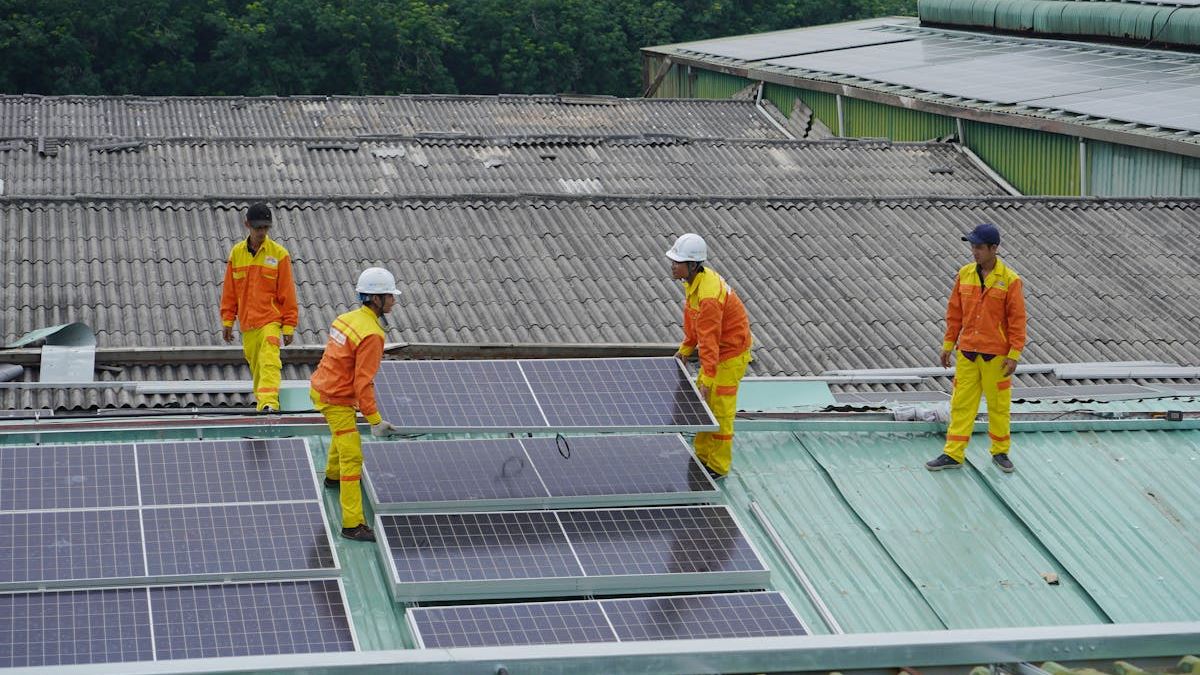
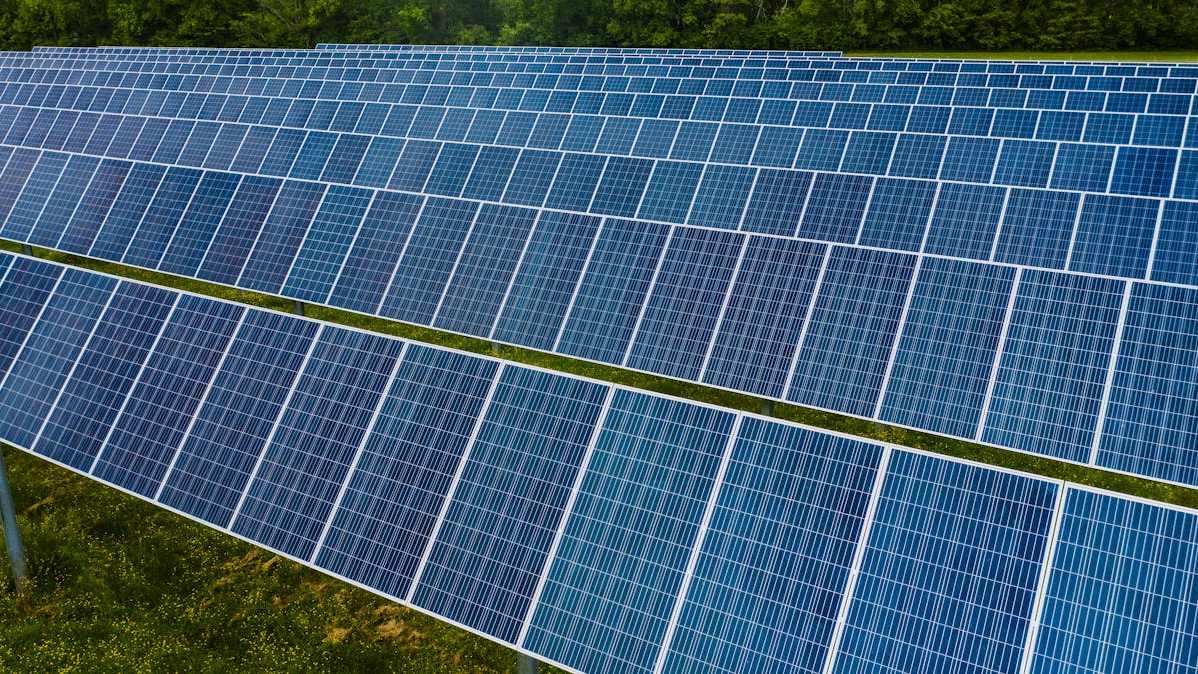
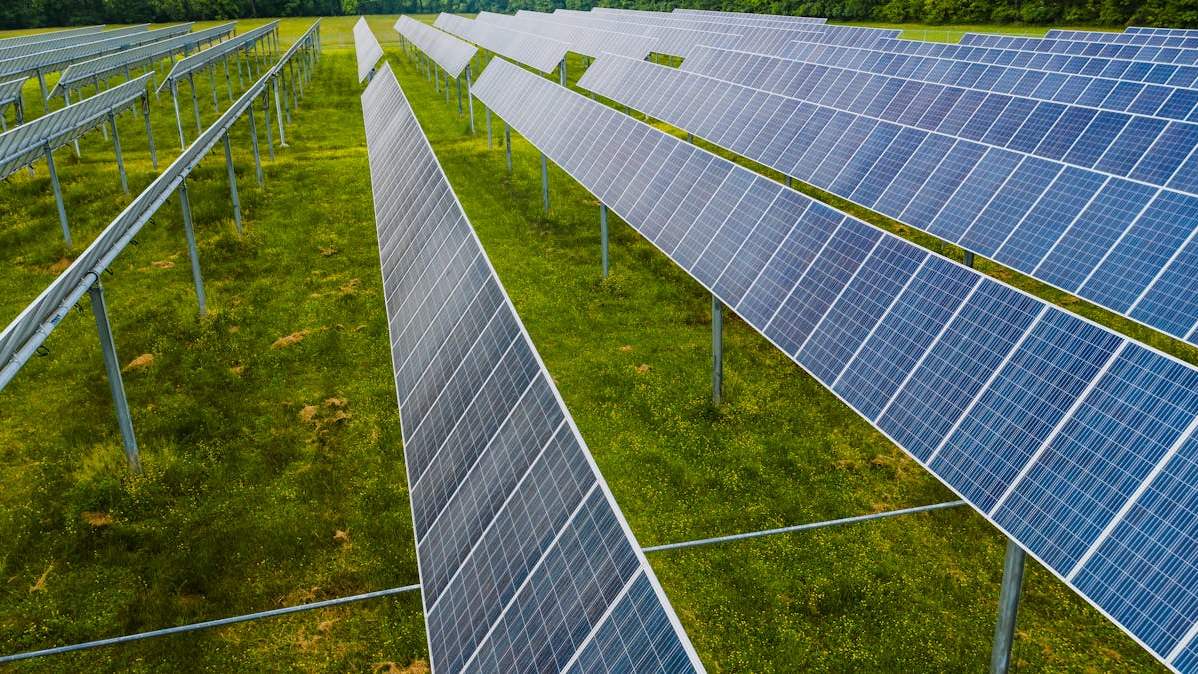
Solar energy products have seen rapid technological improvements and a dramatic decrease in costs over the past decade. Key products include photovoltaic (PV) panels, solar inverters, mounting systems, and solar batteries. These components work together to convert sunlight into usable electricity, store excess energy, and ensure reliable power supply even during cloudy days or at night.
Innovations Enhancing Solar Efficiency
Modern solar energy products now incorporate bifacial panels, which capture sunlight from both sides, boosting efficiency. Additionally, integrated solar roofs combine aesthetics with function, making solar energy accessible to residential markets. Experts highlight that these innovations are vital for maximizing energy output and decreasing payback periods for homeowners.
Real-World Application: Solar in Residential Communities
Across the United States, many communities are adopting solar-powered systems to reduce costs and carbon footprints. For example, California's residential solar projects have seen a surge, with homeowners leveraging federal tax incentives and state rebates. These projects demonstrate how renewable energy products can seamlessly integrate into daily life, offering not only environmental benefits but significant long-term savings.
Wind Energy: Complementing Solar Solutions
Types of Wind Energy Products
While less prevalent in residential settings, wind turbines are crucial renewable energy products in utility-scale applications and some rural areas. Innovations include small-scale turbines suitable for home use and larger, more efficient turbines for wind farms. These products harness kinetic energy from wind, converting it into electricity with minimal environmental impact.
Advancements and Challenges
Design improvements, such as taller towers and larger blades, have increased turbine efficiency. However, challenges remain, including siting restrictions and noise concerns. Industry experts emphasize the importance of site assessments and technological innovations in overcoming these issues to expand wind energy's role in the U.S. energy mix.
Case Study: Offshore Wind Projects
Offshore wind energy products are gaining momentum along U.S. coastlines, notably in the Northeast. Projects like the Vineyard Wind initiative demonstrate the potential of offshore turbines in providing massive renewable energy output, reducing reliance on fossil fuels, and creating economic opportunities in coastal communities.
Energy Storage Solutions: Unlocking Renewable Potential
Types of Storage Technologies
Renewable energy products such as lithium-ion batteries, flow batteries, and thermal storage are essential for stabilizing power grids. These energy storage solutions enable the efficient use of intermittent renewable sources, ensuring energy availability during low production periods.
Technological Developments and Market Trends
Advances in battery chemistry and cost reductions have made energy storage more accessible. Experts predict that integrated storage solutions will play a pivotal role in achieving a resilient, renewable-powered grid across the U.S., especially as policies favor decarbonization.
Examples of Storage Deployment
In California and Texas, utility-scale storage projects complement solar and wind farms, providing grid stability and emergency backup. These renewable energy products exemplify how storage innovations support the broader adoption of clean energy solutions nationwide.
Conclusion: Building a Sustainable Future
The U.S. renewable energy products market is thriving, driven by technological innovation, supportive policies, and increasing public demand for clean energy. From solar panels to energy storage systems, these solutions are not only mitigating climate change but also fostering economic growth and energy independence. As investment and research continue to grow, the future of renewable energy products in the United States looks promising, paving the way for a sustainable and resilient energy landscape.