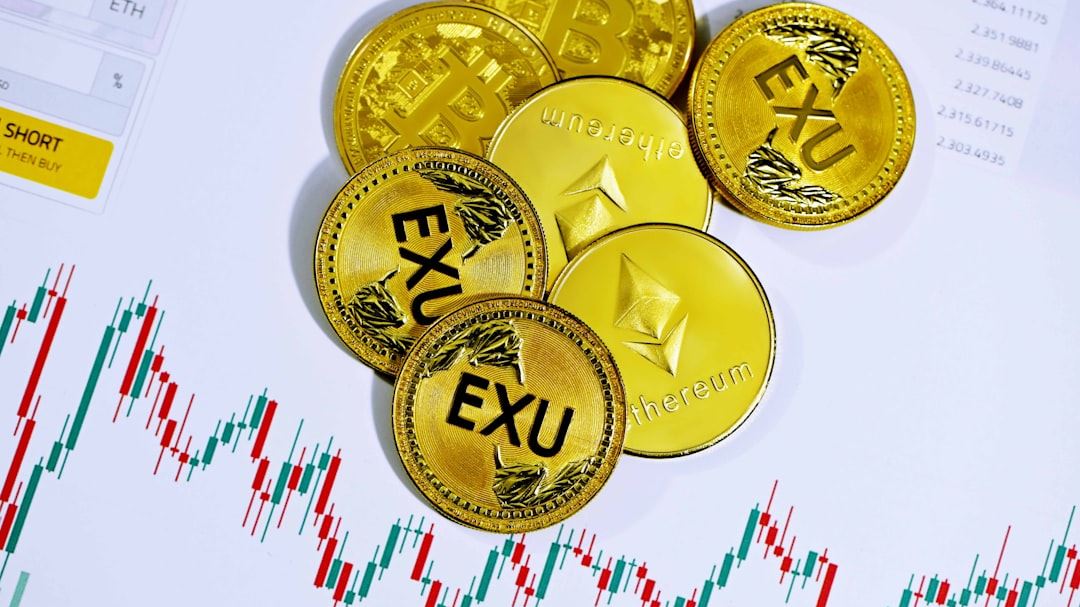
Mastering ETF Trading: A Comprehensive Guide for Investors in the United States
December. 07,2025
Discover the comprehensive guide to ETF trading in the US, covering strategies, benefits, risks, and expert insights. Whether you're a beginner or seasoned trader, enhance your investment approach with proven techniques and market understanding.

Introduction to ETF Trading
Exchange-Traded Funds (ETFs) have revolutionized the way investors access diverse markets and asset classes. In the United States, ETF trading offers unparalleled flexibility, liquidity, and cost-efficiency, making it an attractive choice for both novice and professional traders. Understanding the fundamentals of ETF trading is essential for optimizing returns and managing risks in today's dynamic financial landscape.
Understanding the Mechanics of ETF Trading
ETF trading involves buying and selling shares of funds that track various indices, commodities, or specific sectors. Unlike mutual funds, ETFs are traded on stock exchanges, allowing investors to execute trades throughout market hours. Key concepts include bid-ask spreads, liquidity, and order types, each impacting the overall trading experience.
Benefits of ETF Trading
ETFs provide diversification, transparency, and cost-effectiveness. Investors can access a wide range of asset classes, from equities and bonds to commodities and currencies, with low expense ratios. Additionally, ETFs facilitate strategic trading strategies such as hedging and tactical asset allocation.
Developing a Successful ETF Trading Strategy
Building an effective ETF trading plan requires thorough research, technical analysis, and understanding market trends. Strategies include trend following, sector rotation, and momentum trading. It is crucial to set clear entry and exit points, manage risks with stop-loss orders, and remain disciplined amid market volatility.
Expert Insights and Real-World Scenarios
Market professionals emphasize the importance of staying informed about macroeconomic indicators and geopolitical events that influence ETF prices. For example, during the COVID-19 pandemic, ETF traders capitalized on rapid shifts in sectors like technology and healthcare. Expert commentary highlights the need for ongoing education and adaptability.
Risks and Challenges in ETF Trading
Despite advantages, ETF trading involves risks such as liquidity constraints, tracking errors, and sudden market swings. Investors should be aware of these factors and employ risk management techniques. Understanding the difference between passive and active ETFs also helps optimize portfolio performance.
Conclusion: Navigating the ETF Trading Landscape
Successful ETF trading in the United States hinges on education, strategic planning, and disciplined execution. As markets evolve, staying informed through credible sources and adapting with market conditions is key to harnessing the full potential of ETFs for wealth building.