Advances in Nivolumab Non-Small Cell Lung Cancer Treatment: A Comprehensive Guide
Explore the comprehensive landscape of nivolumab non small cell lung cancer treatment, including how it works, clinical evidence, patient experiences, and future research directions. This guide helps patients and clinicians understand the potential of immunotherapy to transform NSCLC management in the United States.

Introduction to Nivolumab in Lung Cancer Therapy
Non-small cell lung cancer (NSCLC) remains one of the leading causes of cancer-related mortality worldwide. Traditional treatment options included chemotherapy, radiation therapy, and surgical interventions. However, the emergence of immunotherapy has revolutionized NSCLC management, with nivolumab standing out as a pivotal breakthrough.
Understanding Nivolumab: How It Works
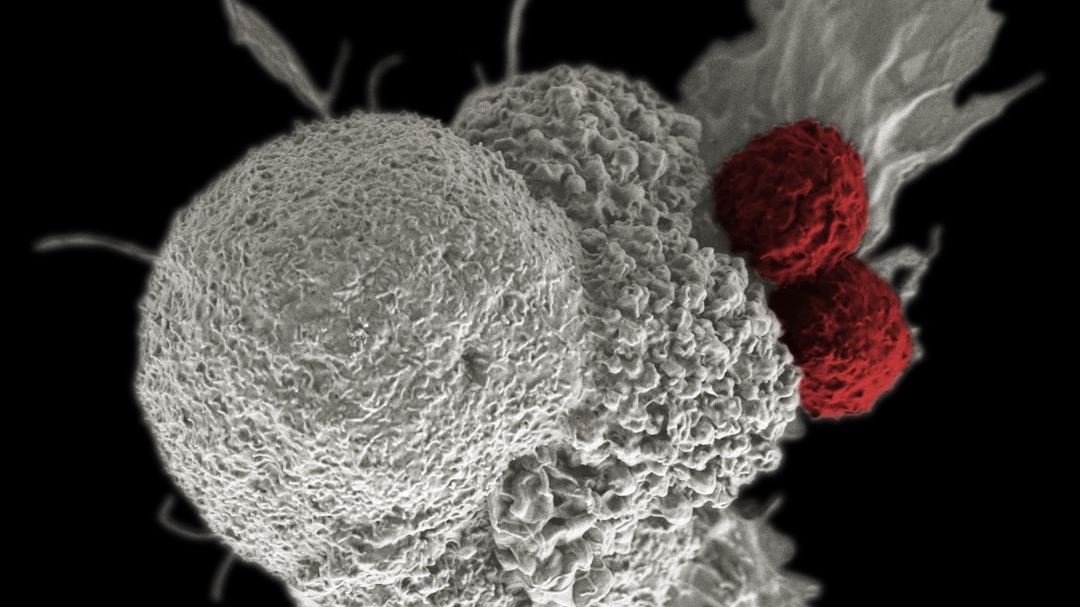
Nivolumab is an immune checkpoint inhibitor that targets PD-1, a protein on T-cells that downregulates immune responses. By blocking PD-1, nivolumab enhances the immune system's ability to recognize and destroy cancer cells. This mechanism offers a promising approach, especially for advanced stages where conventional therapies have limited efficacy.
Clinical Evidence Supporting Nivolumab for NSCLC
Multiple clinical trials have demonstrated nivolumab's effectiveness in treating non-small cell lung cancer. For instance, the CheckMate 017 and 057 trials showed significant improvements in overall survival and progression-free survival compared to chemotherapy, particularly in patients with PD-L1 expression.
Patient Selection and Biomarkers
Successful nivolumab non small cell lung cancer treatment depends on appropriate patient selection. PD-L1 expression levels serve as a key biomarker—higher expression correlates with better responses. Imaging, genetic profiling, and overall health assessment are critical components to determine suitability for immunotherapy.
Implementation in Clinical Practice
Administered intravenously, nivolumab is generally given every two to four weeks, depending on the treatment protocol. Healthcare providers monitor patients for immune-related adverse events such as pneumonitis, colitis, and endocrinopathies. Managing side effects effectively ensures optimal treatment outcomes.
Real-world Patient Experiences
Patients undergoing nivolumab non small cell lung cancer treatment often report an improved quality of life, with some experiencing durable remission. Case studies reveal that early initiation of therapy and close monitoring significantly impact survival rates. Personalized treatment plans are essential to balancing efficacy and safety.
Future Directions and Ongoing Research
Research continues to explore combination therapies—nivolumab with chemotherapy, targeted agents, or other immunotherapeutics—to enhance response rates. Trials are also investigating biomarkers beyond PD-L1 to refine patient selection, aiming for more tailored and effective therapies.
Conclusion
The advent of nivolumab has marked a paradigm shift in non-small cell lung cancer treatment. Its ability to harness the immune system offers hope for improved survival and quality of life for many patients. Careful patient selection, ongoing research, and integrated care remain vital to maximizing its benefits.