Comprehensive Guide to Modern Skin Treatments in the United States
December. 03,2025
Discover the latest advancements in skin treatments available in the United States. This comprehensive guide covers non-invasive procedures, laser therapies, injectables, and emerging technologies, helping you make informed decisions for healthier, youthful skin. Expert insights and detailed explanations ensure you understand each treatment's benefits and safety considerations.
Introduction to Skin Treatments
In today’s fast-paced world, maintaining healthy, youthful skin is a priority for many Americans. Advances in medical science have revolutionized skin treatments, offering a wide array of options tailored to various skin concerns such as aging, acne, hyperpigmentation, and dryness. This comprehensive guide explores the most effective skin treatments available in the United States, highlighting various approaches, their benefits, potential risks, and what to expect during the healing process.
Understanding Different Types of Skin Treatments
Skin treatments encompass non-invasive procedures to more advanced dermatological interventions. Choosing the right option depends on individual skin type, concerns, budget, and desired results. We'll review the most popular treatments, including topical therapies, laser procedures, chemical peels, microdermabrasion, and injectables.
Topical and Non-Invasive Treatments
Through advancements in skincare, many patients opt for topical treatments and non-invasive procedures. These include skincare products with active ingredients such as retinoids, vitamin C, and hyaluronic acid, which can improve skin texture and diminish signs of aging. Non-invasive procedures like microneedling and LED therapy stimulate collagen production and enhance skin rejuvenation with minimal downtime, making them popular among busy lifestyles.
Laser and Light-Based Skin Treatments
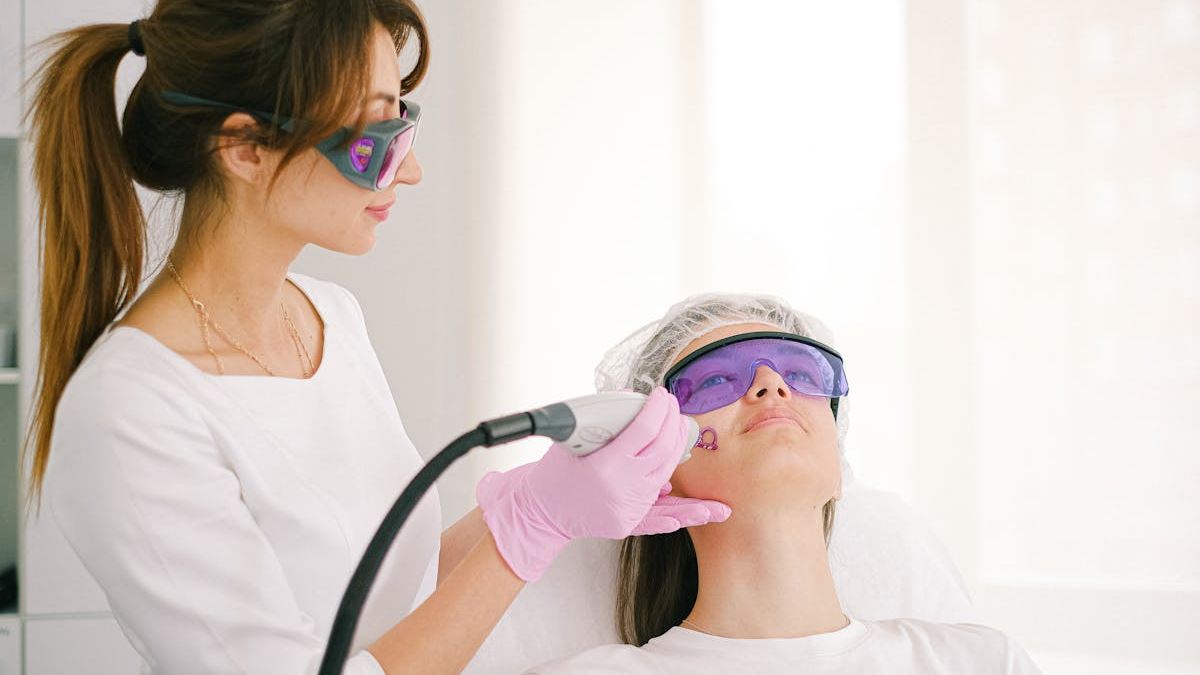
Laser treatments are among the most effective skin treatments for targeting specific skin concerns. Laser resurfacing can reduce wrinkles, scars, and pigmentation issues by removing damaged skin layers and promoting new collagen synthesis. Different types of laser devices are used depending on the condition being treated, such as fractional CO2 for deep lines or pulsed dye for redness. These procedures require careful consultation with a qualified dermatologist to prevent adverse effects.
Chemical Peels and Microdermabrasion
Chemical peels involve applying a chemical solution that exfoliates the outer skin layers, revealing fresher, smoother skin underneath. They are effective for treating acne scars, hyperpigmentation, and uneven skin tone. Microdermabrasion uses fine crystals or a diamond-tipped wand to remove dead skin cells. These treatments are less invasive but require multiple sessions for optimal results.
Injectable Treatments and Dermal Fillers
Injectables like Botox, Dysport, and dermal fillers such as Juvederm and Restylane offer quick and effective solutions for wrinkles and volume loss. Botox temporarily paralyzes muscles to smooth lines, while dermal fillers restore facial volume and contour. These procedures are performed in-office and provide immediate improvements, though they require maintenance sessions.
Considering Safety and Expectations
While skin treatments can significantly improve appearance and self-esteem, safety should always be a priority. Patients should seek treatments from licensed dermatologists or certified skincare professionals. Proper pre-treatment consultation and post-treatment care are essential to minimize risks like infections, hyperpigmentation, and scarring.
The Future of Skin Treatments
Emerging technologies such as regenerative medicine, stem cell therapy, and personalized skincare regimens are transforming the landscape of skin treatments. As research progresses, more sophisticated options promise better results with fewer side effects, making skin health an achievable goal for everyone.