Harnessing the Power of a Cloud Data Management Platform: A Comprehensive Guide for Businesses in the United States
Explore the comprehensive guide on cloud data management platforms, covering core features, real-world applications, and future trends. Learn how businesses across industries leverage CDMPs for scalable, secure, and efficient data management in the cloud environment.

Understanding the Cloud Data Management Platform
In an era where data drives business success, having a robust cloud data management platform (CDMP) is no longer optional—it's essential. A cloud data management platform provides organizations with scalable, flexible, and secure solutions to handle vast amounts of data across multiple sources and formats. It acts as the backbone of modern data strategies, enabling businesses to unify, govern, and analyze data efficiently.
Core Components and Features of a Cloud Data Management Platform
Data Integration and Ingestion
This feature ensures seamless collection of data from diverse sources such as on-premises systems, cloud applications, databases, and streaming platforms. For example, a retail chain can aggregate sales data from online storefronts and physical stores in real-time, facilitating quick decision-making.
Data Governance and Security
Effective governance mechanisms ensure data quality, compliance with regulations like GDPR and CCPA, and overall data integrity. Security features include encryption, access controls, and auditing, crucial for industries like healthcare and finance.
Data Storage and Scalability
Cloud-native storage solutions allow organizations to expand their data repositories effortlessly. For instance, a media company handling vast multimedia content can scale storage on demand without operational disruptions.
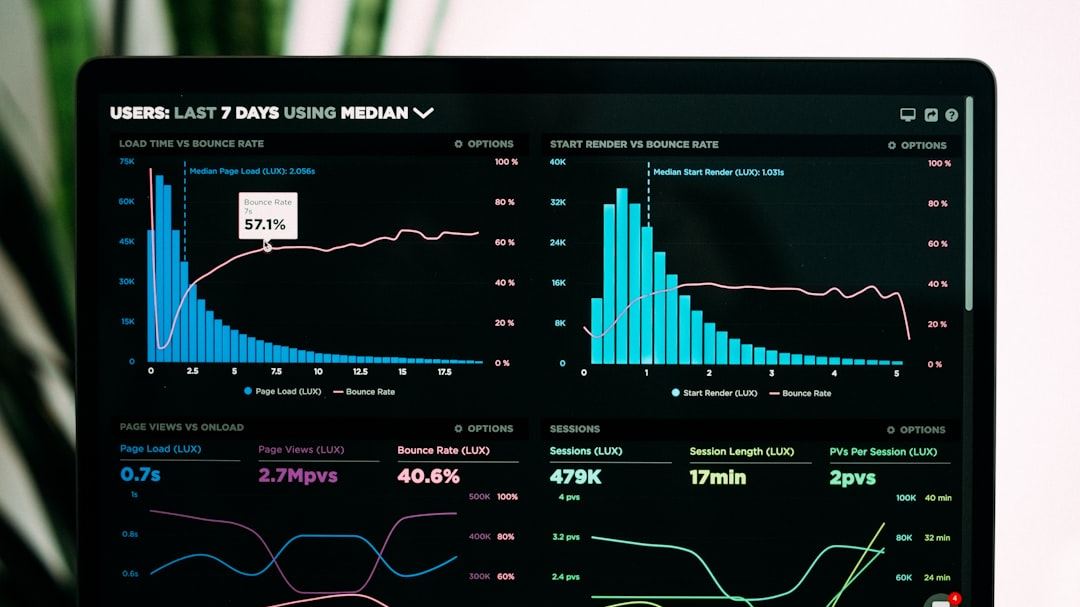
Data Analytics and Visualization
Advanced analytics tools integrated within the platform help derive insights through dashboards, AI-driven models, and reporting features. A logistics company could optimize delivery routes by analyzing real-time data trends.
Real-World Scenarios Demonstrating the Impact of a Cloud Data Management Platform
Healthcare Sector
Hospitals leverage cloud data management platform to integrate patient records, improve data sharing among departments, and comply with health information regulations. This enhances patient care and reduces administrative overhead.
Financial Services
Financial institutions utilize CDMPs for fraud detection, risk analysis, and personalization of banking services. The platform's ability to process real-time transaction data is vital in detecting anomalies swiftly.
Retail and E-commerce
Retailers harness cloud platforms to analyze customer behaviors, manage inventory, and personalize marketing campaigns. This leads to improved customer experience and increased sales revenue.
Choosing the Right Cloud Data Management Platform: Key Considerations
Scalability and Performance
Ensure the platform can grow with your data needs and handle peak loads efficiently.
Security and Compliance
Prioritize platforms that adhere to industry standards and regulations, providing robust security measures.
Integration Capabilities
Opt for platforms that easily integrate with your existing infrastructure and third-party tools.
Cost and Licensing Models
Assess total cost of ownership, including subscription fees, storage costs, and potential hidden expenses.
Future Trends in Cloud Data Management Platforms
The evolution of cloud data management platforms will be driven by advancements in artificial intelligence, machine learning, and automation. Data fabric architectures and edge computing will further enhance data processing capabilities, enabling real-time insights at unprecedented levels of speed and accuracy.